

It’s hard to say that Zohran Mamdani’s election as mayor of New York surprised anyone. The candidate from the progressive wing of the Democratic Party led throughout the race by a wide margin over his main rival, Andrew Cuomo. Now, all of America — and indeed the world — is waiting to see what the controversial candidate will do in the Big Apple.
On the economic front, the new mayor-elect has many plans. His strongly socialist platform helped him win the support of many voters, especially among New York’s lower-income residents. His top priority is to reduce the cost of living in the city, mainly by targeting major corporations and New York’s millionaires and billionaires.
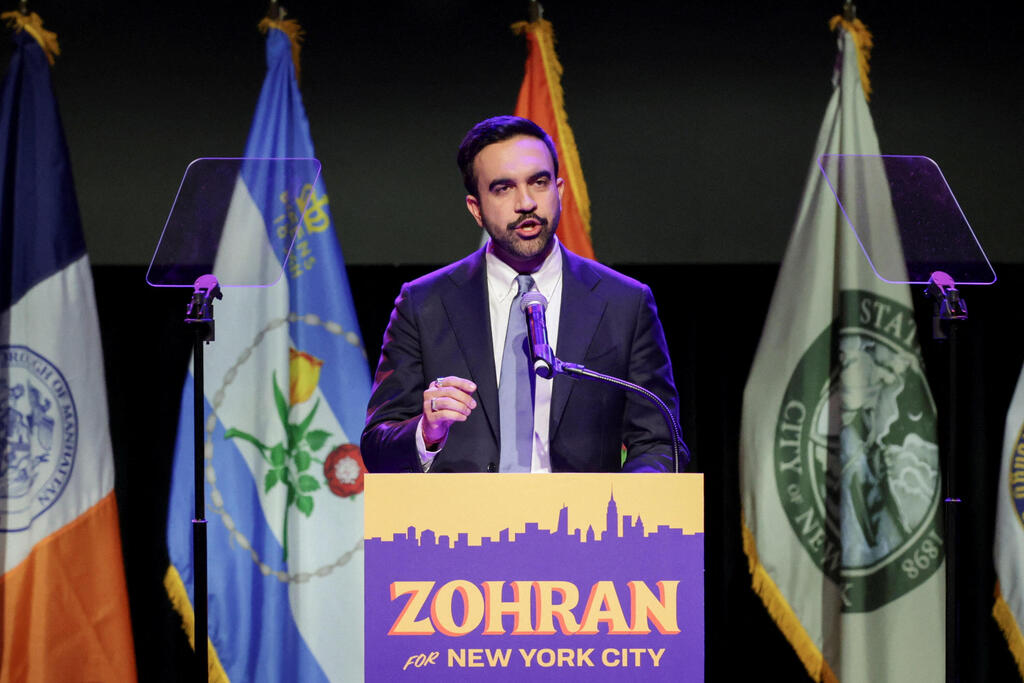
Mamdani's victory speech


Among other measures, Mamdani has proposed raising the corporate tax rate from 7.25% to 11.5%; adding a 2% income tax for anyone earning more than $1 million a year; freezing rent for four years on roughly one million regulated apartments; launching free city-wide bus service; establishing a network of city-run grocery stores exempt from rent and property taxes; raising the city’s minimum wage to $30 an hour by 2030; and funding the construction of 200,000 affordable housing units.
Of all Mamdani’s promises, the rent freeze has drawn the most public attention. In Manhattan, the median monthly rent has reached a record $4,571. Many landlords argue that the move would hurt their ability to invest in maintenance and repairs, leading to poorer living conditions for tenants.
“A man who proudly calls himself a socialist is about to become mayor of the global financial capital,” said Anthony Pompliano, founder and CEO of Professional Capital Management and a major cryptocurrency investor, a few weeks before the election. “The word irony isn’t strong enough to describe what’s happening here.”
A group of billionaires came together to oppose Mamdani, pouring millions into an anti-Mamdani campaign. Among them were former Mayor Michael Bloomberg, who donated $5 million to Cuomo’s campaign; Airbnb co-founder Joe Gebbia, who gave $3 million; pro-Israel businessman Bill Ackman, who contributed about $2 million to several initiatives; and World Jewish Congress President Ronald Lauder, a longtime Cuomo supporter who donated more than $1 million.
Still, not everyone shares the sense of panic. Some on Wall Street note that similar fears arose when Bill de Blasio — also viewed as left-wing — won the 2013 mayoral election, but he soon calmed the business community by meeting with leading executives before introducing broad reforms. “We had de Blasio for eight years. New York is strong,” said one investment executive. “I hope the same thing happens if Mamdani wins.”
New York is facing its worst housing shortage in more than five decades. Only 1.4% of rental apartments are available, and the average household spends more than half its $70,000 annual income on rent. City leaders have long promised to expand affordable housing, and Mamdani now pledges to freeze rents in regulated apartments, build 200,000 permanently affordable units over the next decade, and double the city’s budget for preserving public housing.
“New Yorkers are fed up with sky-high rents and lack of housing choice. And home ownership these days seems like a dream to achieve in another state,” said Rachel Fee, executive director of the New York Housing Conference, a nonprofit affordable-housing advocacy organization. “It deserves the focus of the next mayor. And I think New Yorkers seem very willing to try something different.”
Under his plan, the city would freeze rents for about one million regulated apartments — nearly half of all rentals in New York. In practice, this would be achieved by appointing members to the city’s Rent Guidelines Board, which sets annual rent adjustments and has already implemented freezes three times in the past decade.
Experts, however, warn that freezing rents without financial support for small landlords could lead to deterioration in housing conditions. According to the National Community Stabilization Trust, a nonprofit affordable-housing lender, costs for regulated apartments have risen 22% per unit since 2020, making it harder to maintain or expand the city’s affordable-housing stock.
Mamdani’s housing plan calls for the city to borrow an additional $70 billion for affordable-housing construction, on top of the $25 billion already allocated. That will be no small task: he’ll need state approval, since the plan exceeds the city’s debt limit by about $30 billion, as well as City Council support for zoning reforms to ease construction.
“This would be a significant increase in city capital to produce deeply affordable housing,” said Rachel Fee. “It’s not something he can just implement on his own. It will take a political coalition to make this happen.”
The New York City Housing Authority (NYCHA), the largest and oldest in the United States, manages more than 177,000 apartments. Years of declining federal funding have left living conditions deteriorating. Mamdani plans to double the city’s investment in NYCHA for long-term repairs. The city plans to spend $1.27 billion next fiscal year on improvements — far short of the roughly $80 billion NYCHA estimates it needs for full rehabilitation.
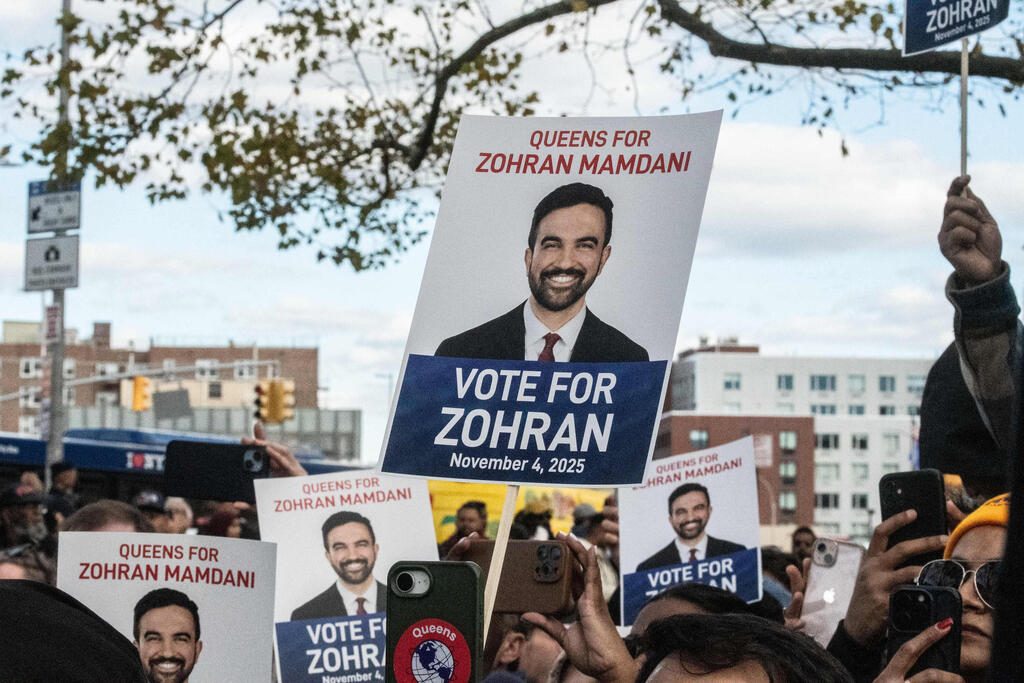
(Photo: STEPHANIE KEITH / GETTY IMAGES NORTH AMERICA / AFP)
Mamdani will also face challenges at the federal level. President Donald Trump, who is far from being an admirer of the mayor-elect, is advocating for nearly a 44% cut in funding for the Department of Housing and Urban Development, including reductions in homelessness grants and community development programs. The New York Housing Conference estimates the city could lose more than $4.4 billion in funding if Congress adopts the budget.
Since the primaries, personal donations to Mamdani’s campaign have surged, especially from the tech sector. Google employees have been among his strongest supporters — at least 238 of them have donated a combined $45,823 to his campaign for both the primaries and general election. Most of these donors live in New York, though several dozen are based in other cities.
And, inevitably, the “Israeli angle” has surfaced. Mamdani is known for his pro-Palestinian and strongly critical stance toward Israel, raising concerns within the Israeli and Jewish communities in New York. Guy Franklin, founder and CEO of Israeli Mapped in NY, spoke with Ynet about the situation Israeli tech professionals in the city might face.
“The founders I’m close to in the cyber sector will keep working and selling as usual,” Franklin said, “but founders in other fields might be somewhat affected by Zohran Mamdani, because the support we had from Mayor Adams is likely to stop if Mamdani is elected.”
“There’s a huge talent war in New York, and American workers will probably think twice before joining an Israeli company. Mamdani’s plan to freeze rents for a million apartments will also hurt, because those aren’t the apartments rented by Israeli founders or tech workers — and rents in their neighborhoods are likely to rise.”
“Some tell me they’ll carry on as usual and don’t feel any change, but there’s concern among others — also about their personal lives, their families, their kids. Some have not encountered antisemitism here over the past two years, but every so often I hear about unpleasant incidents that happened to someone’s family.”