


Israel’s governing coalition advanced two controversial bills overnight Monday, striking deals with ultra-Orthodox parties amid their ongoing boycott of Knesset votes over the stalled military conscription exemption law.
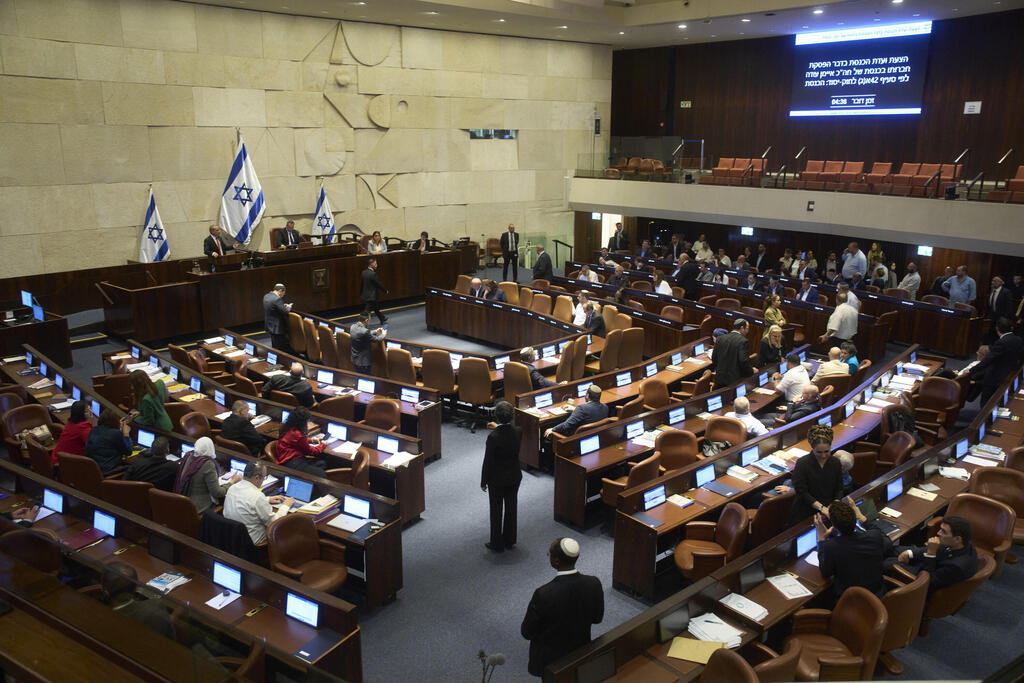
In a series of late-night votes, the Knesset approved on first reading a bill that would expand the authority of rabbinical courts, allowing them to arbitrate civil disputes with the consent of both parties. The move was part of a political deal with ultra-Orthodox factions, who in return backed Communications Minister Shlomo Karhi’s sweeping communications reform bill.
(Photo: AP Photo/Ohad Zwigenberg)
Karhi’s proposal passed its first reading shortly after midnight, with 54 lawmakers voting in favor and 47 opposed. The legislation will now move to committee for further discussion.
The communications bill would overhaul Israel’s broadcasting regulations, replacing the existing Cable and Satellite Broadcasting Council and the Second Authority for Television and Radio with a single new regulator. The new authority would oversee all broadcasting and streaming platforms, monitor competition in the media market, and reduce licensing requirements for content providers.
Attorney General Gali Baharav-Miara has warned that the reform could undermine media independence, saying in a September opinion that it “creates heightened risks to the character of Israel’s free press” and could open the door to “significant political and commercial influence” over news coverage.
The rabbinical courts bill, officially titled the Jurisdiction of Religious Courts (Arbitration) Bill, was submitted by United Torah Judaism lawmakers Moshe Gafni, Israel Eichler and Yaakov Asher, along with Shas lawmaker Yinon Azoulay. Sixty-three Knesset members supported the proposal, while 43 opposed. It now returns to the Knesset Constitution Committee for further discussion before second and third readings.
If enacted, the bill would grant rabbinical and sharia courts formal legal authority to serve as arbitrators in civil cases, provided both parties consent. Supporters say the measure merely restores a long-standing practice that was restricted by a 2006 Supreme Court ruling, which found the courts lacked legal standing to hear civil disputes without specific authorization.
The arrangement marks the second major coalition deal with the ultra-Orthodox parties in as many weeks. Last week, their support for a proposal to split the attorney general’s role was secured in exchange for advancing another bill expanding rabbinical courts’ authority in divorce and alimony cases.
Both new measures come as Prime Minister Benjamin Netanyahu’s government faces mounting tension with its ultra-Orthodox partners, who have refused to participate in most Knesset votes until the coalition renews efforts to pass legislation exempting yeshiva students from mandatory military service.