

Sometime in 2021, when the nickname “the eternal prince” still followed him everywhere, Charles fantasized about the day he would finally become king. He knew full well that Britons would not rush to forgive him for what he had done to his former wife, Princess Diana, and that public criticism of the monarchy — particularly over the fact that taxpayers fund the family’s lavish lifestyle — was only growing. Charles understood that to win public favor he would need to make a real change.
Even then, he declared that he would work toward a slimmed-down monarchy, one that would include fewer family members in official roles. At the same time, he made it clear to his wayward brother, Prince Andrew, that the day he ascended the throne, Andrew would need to find a new home — and a new source of income.
Gallery
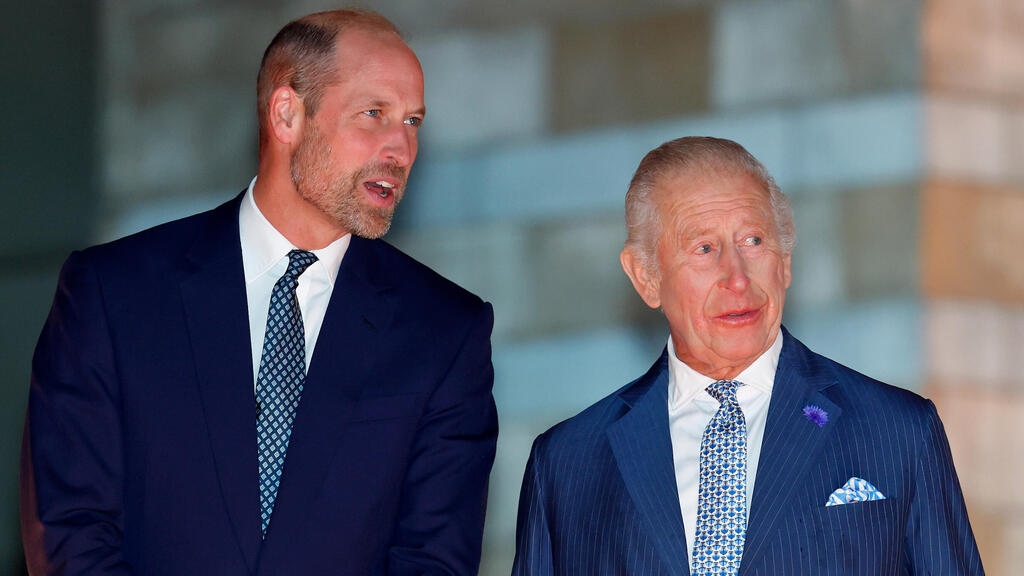
King Charles and Prince William: Both want to reform the British monarchy
(Photo: Max Mumby/Indigo/Getty Images)
“Relations between Charles and Andrew took a significant hit when the heir to the throne revealed his intention to drastically reduce the number of senior royals. The move created tension between the brothers,” royal expert Katie Nicholl said at the time in an interview with the Daily Express.
Fast-forward five years: Charles is now king of England, but instead of enjoying the crown, he finds himself dealing with one of the biggest crises Buckingham Palace has ever faced. More and more details and documents exposing his brother Andrew’s “toxic relationship” with convicted sex offender Jeffrey Epstein continue to surface — placing the entire royal family under intense scrutiny.
Charles’ plan was clear: fewer royals funded by public money, and more focus on the next generation. The model, dubbed within the palace a “slimmed-down monarchy,” was meant to leave center stage to a small group of family members representing the institution.
“British taxpayers continue to fund working royals every year,” Graham Smith, CEO of Republic — a group campaigning to abolish the monarchy — told TIME magazine. “This is a corrupt institution that fails to meet basic standards of integrity or accountability. Royal funding is shrouded in secrecy, and it’s very difficult to get answers about what we are actually paying for — and how much it costs us,” Smith said.
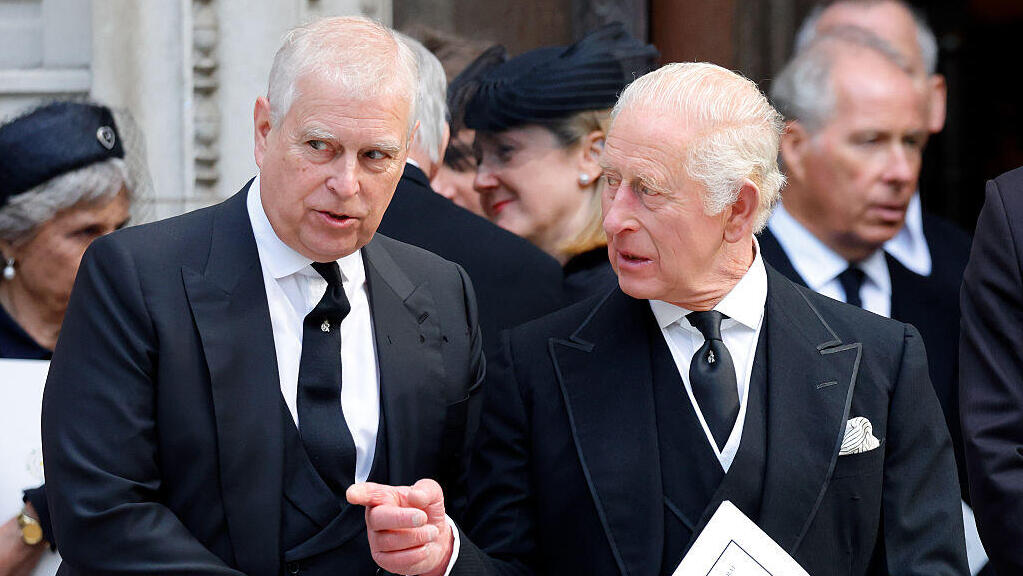
King Charles has spent much of his reign so far trying to deal with this scandalous brother, Andrew
(Photo: Max Mumby/Indigo/Getty Images)
Indeed, while Charles tried to reshape the monarchy — trimming its size, opening more parts of Buckingham Palace to the public and, unlike his late mother, maintaining a degree of transparency with citizens by sharing that he had been diagnosed with cancer (though not specifying the type) and providing frequent updates on his condition — his younger brother became the palace’s biggest headache.
In recent months, the Epstein affair has returned to the headlines with more troubling revelations. Although immediately after his coronation — and to the dismay of his son and heir, Prince William — Charles attempted to repair relations with his wayward brother, newly released Justice Department documents left the king with little choice but to sever Andrew from the family in every possible way.
First, Charles informed Andrew and his ex-wife Sarah Ferguson, who had been living in Windsor, that they would need to vacate their residence. At the same time, the king stripped his brother of all titles, including the designation “prince.” The newly released documents also indicated that Andrew had used his role as the U.K.’s trade envoy to pass sensitive information to the sex offender. As Charles realized that the day his younger brother might face arrest was drawing closer, he moved preemptively and pledged that both he and the palace would cooperate should an investigation be launched.
“While the specific allegations are a matter for Mountbatten-Windsor, if the police approach us, we will support them as would be expected. As previously stated, Their Majesties’ thoughts and support are, and remain, with the victims of all forms of abuse,” he said.
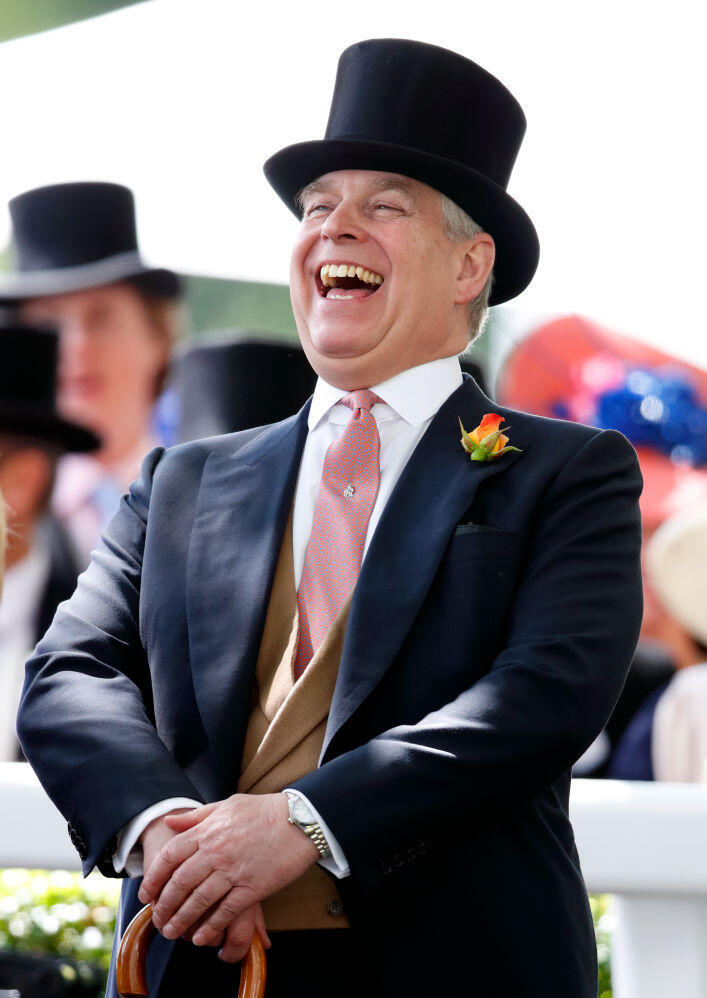
Andrew has became the palace’s biggest headache.
(Photo: Max Mumby/Indigo/Getty Images)
Charles’ actions and words appear to have resonated with the public. In one poll, 55% said they were satisfied with how the king handled the affair, compared with 9% who said he was not doing enough. Another 38% said the royal family as a whole had dealt with the crisis in the best possible way.
Another survey (the British are very fond of polls) found that 40% believe Charles has indeed delivered on his promise and made the monarchy more transparent, compared with 17% who still see it as a family full of secrets.
Despite the king’s statements and actions, however, a significant family drama has played out behind closed doors at Buckingham Palace in recent years — and this is where the heir apparent enters the picture.
Prince William pushed for Andrew’s removal years before his titles were stripped, citing his ties to Epstein. Insiders say William consistently urged senior royals to remove his uncle from the family as early as 2019, following Andrew’s sensational BBC interview about his links to the convicted sex offender. William reportedly told his grandmother, the queen, and his father that “Andrew poses an ongoing threat and must be immediately removed from public and family duties.”
William argued that the palace should distance itself from Andrew as quickly as possible, fearing further scandals and revelations about his ties to Epstein — a prediction that proved accurate.
“Worse and more serious things are yet to come for Andrew,” said royal historian Andrew Lownie, who authored a biography of Andrew and his ex-wife. “The documents show that he continues to lie about his relationship with Epstein.”
Lownie did not spare the rest of the royal family either, saying: “I think the royal family knew very well about these matters. They knew Andrew and Sarah were under surveillance by intelligence agencies. These things were reported to Buckingham Palace — but it’s not new for the royal family to ignore everything until the story becomes public. They had many opportunities to punish Andrew and strip him of his roles, but ultimately did so only because of public and media pressure. I don’t think any of this is surprising, nor will it surprise the palace. They were well prepared for these revelations to emerge at some point.”
“This is the biggest royal crisis the palace has faced in 90 years,” a Reuters headline declared after a photo surfaced of Andrew attempting to hide in a car on his way back from questioning.
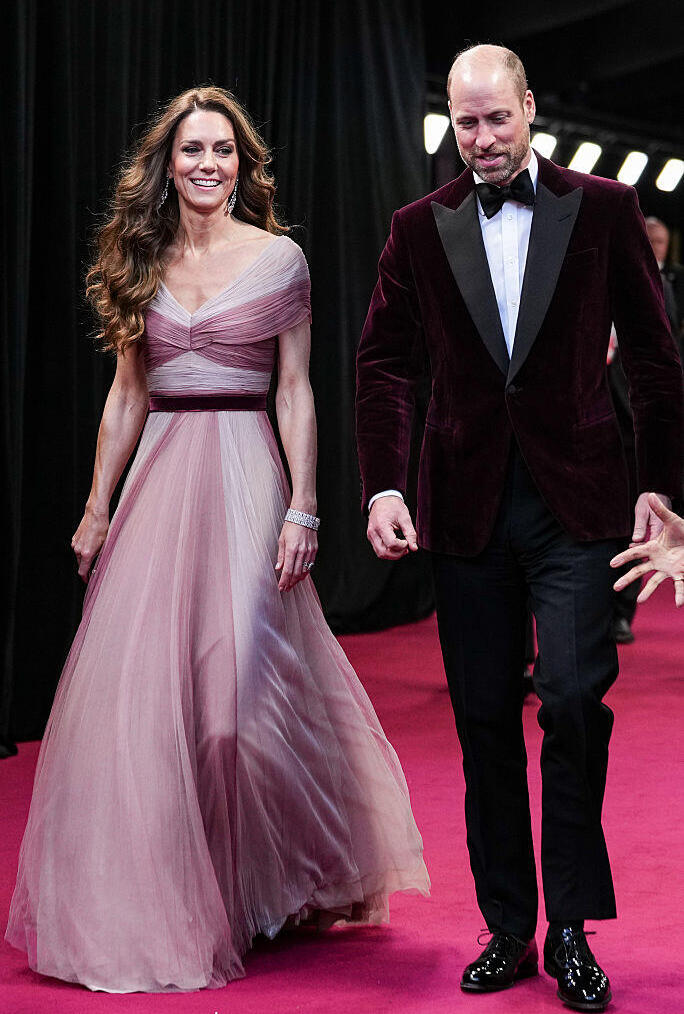
The most popular royals: Prince Andrew and his wife, Catherine
(Photo: Scott Garfitt/BAFTA via Getty Images)
Such a declaration is significant, especially considering the many storms Buckingham Palace has weathered over the past 90 years — from the acrimonious divorce of Charles and Diana, through the tragic death of the beloved princess, to the serious allegations by Meghan Markle and Prince Harry, who said they experienced racism within the royal family.
Still, despite the fact that Andrew has never been detained for more than a few hours for questioning, the very fact that a member of the royal family became entangled in an international legal affair is highly unusual. In fact, it is the first time in more than 300 years that a British royal has been at the center of such serious legal proceedings. The previous instance was in 1649, when King Charles I was tried and executed for criminal offenses.
Meanwhile, William is already preparing for the day he becomes the next king of England, and he does not intend to settle for merely slimming down the monarchy, as his father did, to ease the burden on taxpayers. A palace insider says the heir plans to scrap the royal family’s Christmas gathering at Sandringham, as well as the tradition of exchanging £5 gifts — a long-running palace joke.
“While William is focused on much bigger changes than Christmas lunch, it is well known that the tradition of cheap Christmas gifts is something he has never connected with, as is the gathering at Sandringham. It can be assumed these two traditions will be among the first to disappear when he is crowned king.”
The source added that the royal family’s Christmas gathering is rigid and formal, unlike the relaxed and warm celebrations with Kate Middleton’s family, which the couple prefers.
As for the “silly gifts,” tradition dictates that presents are distributed according to royal rank — meaning Zara Tindall, daughter of Princess Anne, who never received a royal title at her mother’s request, is last to receive gifts. “William adores Zara, and it frustrates him that she is at the end of the line. That’s not how he wants to behave, and he has joked in the past that he does not intend to continue this tradition, even though he appreciates that his father maintains it out of nostalgia and in memory of his late mother, Queen Elizabeth.”
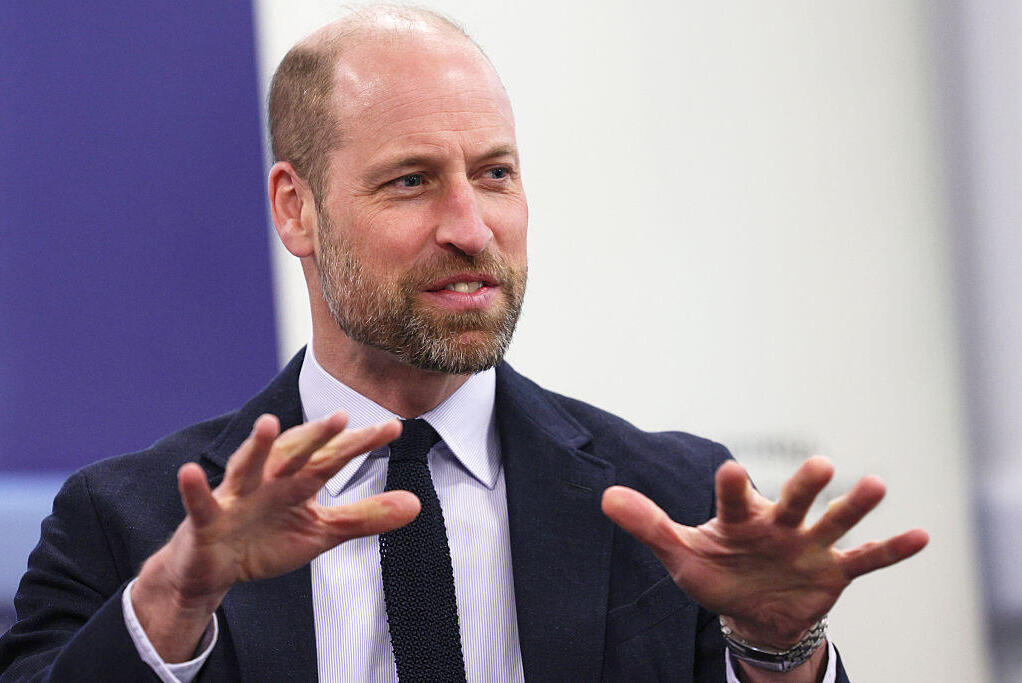
William has already stated his intention to run a modern, family-oriented monarchy
(Photo: Adrian Dennis - WPA Pool/Getty Images)
Of course, minor changes to Christmas traditions are not the only thing the heir apparent has in mind. William has already stated his intention to run a modern, family-oriented monarchy — calmer and “much more normal” than it is today. In a conversation with Eugene Levy in October, William made clear that one issue he will insist on is preventing the media from harming his family, vowing to protect his children at all costs. “The damage the media can do to your family life is something I’ve sworn will never happen in my home.”
Asked about his plans for the day he inherits the crown, he said he does not think about it much (credibility level: Middle East peace), but acknowledged he intends to approach the role very differently from his father. “I think I can say it very clearly — change is definitely on my agenda. Change for the better. That’s the part that excites me most, the idea of being able to create change. Not too radical a change, but change that needs to happen.”
“William is committed to revitalizing the monarchy his children are destined to inherit one day,” a palace insider said. “The prince has spoken repeatedly about his plans and what he would like to change when the time comes. The main emphasis is on being more accessible.”
The source added: “William is not thinking only about himself and his reign — he is looking further ahead, to the day his eldest son George succeeds him on the throne. He wants to create a monarchy George will be proud to inherit.”
And if we go by the polls the British love so much, William leads with a 74% approval rating, followed by his wife, Princess Kate Middleton, with 71%. By contrast, only 59% of respondents view Charles positively — suggesting the public has yet to fully forgive him for the suffering caused to Diana.
For William’s benefit — and Charles’ misfortune — the monarchy is currently in the king’s “red and swollen hands,” for whom the Andrew affair is only part of the problem.
The larger crisis concerns whether the monarchy has a place at all in the 21st century. One of its biggest challenges is the generational divide: recent YouGov polling shows that 39% of younger Britons believe the monarchy should be abolished, alongside 25% of older respondents who agree it is no longer necessary. King Charles understands he must recalculate his course.
The question is whether he can set the monarchy back on the right path.