

Despite being severely weakened since its deadly October 7 terror attack on Israeli communities, Hamas has continued paying salaries to its members through a clandestine, cash-based system.
According to a BBC report published Wednesday, the group managed during the war to pay roughly $7 million to about 30,000 employees of its so‑called “civilian wing,” despite most of its military power being destroyed by the IDF.
Gazans wait for humanitarian aid


Three members of that civilian apparatus told the BBC they recently received payments of about $300 each, at a time when Gaza residents report sharp price hikes and soaring inflation, alongside claims that Israel is “starving” the enclave.
The report said many Hamas members have continued receiving only about 20% of their pre‑war salaries, usually once every two and a half months. This delay, combined with the reduced amounts, has fueled anger among the group’s rank and file.
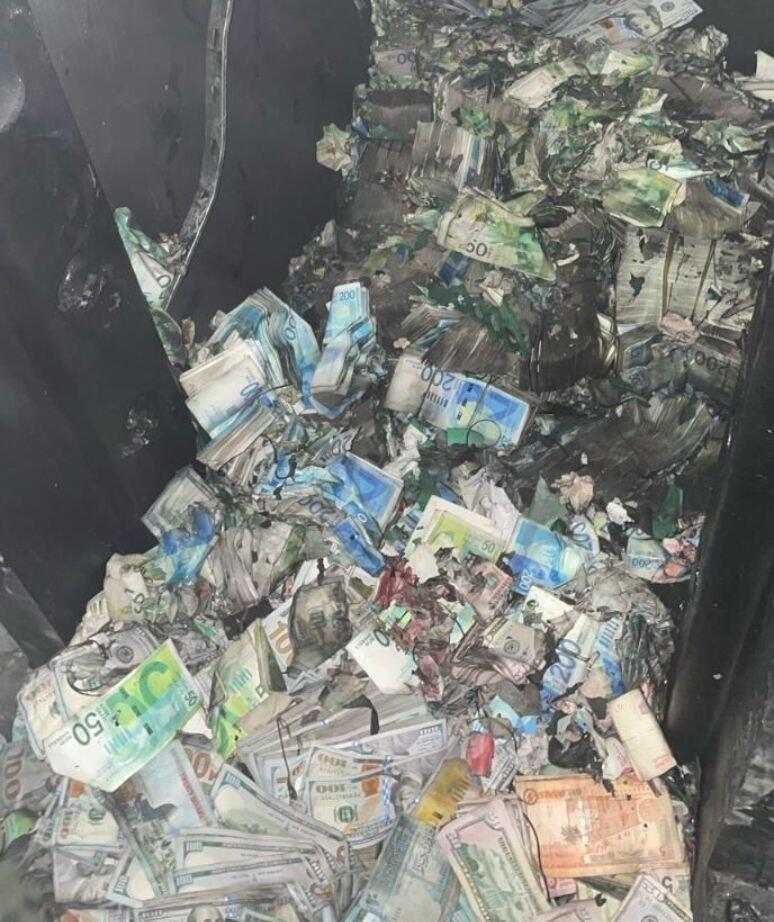
With Gaza’s financial institutions largely defunct and Israeli strikes targeting cash distribution points, Hamas has adapted its payment method. Members receive text messages on their own or their relatives’ phones inviting them to “meet a friend for tea” at a designated location. There, a stranger—sometimes a woman—hands over an envelope stuffed with cash.
“Every time I go to collect my salary, I say goodbye to my wife and children,” one Hamas member said, describing the process as dangerous. He claimed to have survived an Israeli strike on a cash distribution point at a Gaza City market.
Another recipient, a teacher employed by the Hamas-run government, complained about the poor condition of the currency. “I got NIS 1,000 in very worn bills—no merchant wanted them. Only NIS 200 were usable,” he said, adding that after months without pay, he sometimes queued for U.S. aid group GHF’s food distribution in hopes of finding flour to feed his children.
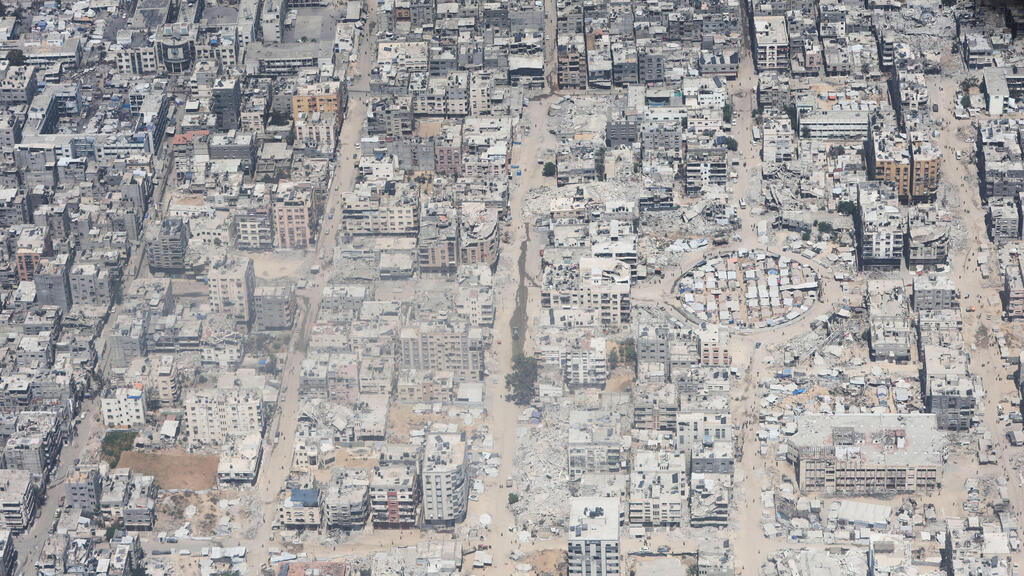
The Gaza Strip
(Photo: Salah Malkawi/Getty Images)
Get the Ynetnews app on your smartphone: Google Play: https://bit.ly/4eJ37pE | Apple App Store: https://bit.ly/3ZL7iNv
The BBC cited a senior Hamas figure familiar with the process who said the group had hidden about $700 million in cash inside tunnels before Oct. 7. The money, he said, was secured under the close supervision of Hamas leader Yahya Sinwar—now killed by Israel—and his brother Mohammed, also killed in the war.
Hamas finances itself partly through taxes and customs fees on Gaza’s residents and traders, as well as significant funding from Qatar. Even during the conflict, the group continued to levy tariffs and sell goods directly.
For many civilians, the disparity is infuriating. Nisreen Khaled, a widow raising three children, told the BBC her neighbors—Hamas supporters—received sacks of flour and food packages while her family went hungry. “Aren’t they the reason for our suffering? Why didn’t they make sure we had food, water, and medicine before they launched their Oct. 7 adventure?” she said.