


The Knesset was expected to hold a preliminary vote Wednesday on dissolving itself, a first step toward early elections as Prime Minister Benjamin Netanyahu struggles to contain a coalition crisis over military draft exemptions for ultra-Orthodox men.
Barring a last-minute change, the bill is expected to be brought by the coalition itself and pass its initial reading, after ultra-Orthodox parties demanded elections over the government’s failure to advance legislation exempting yeshiva students from military service.
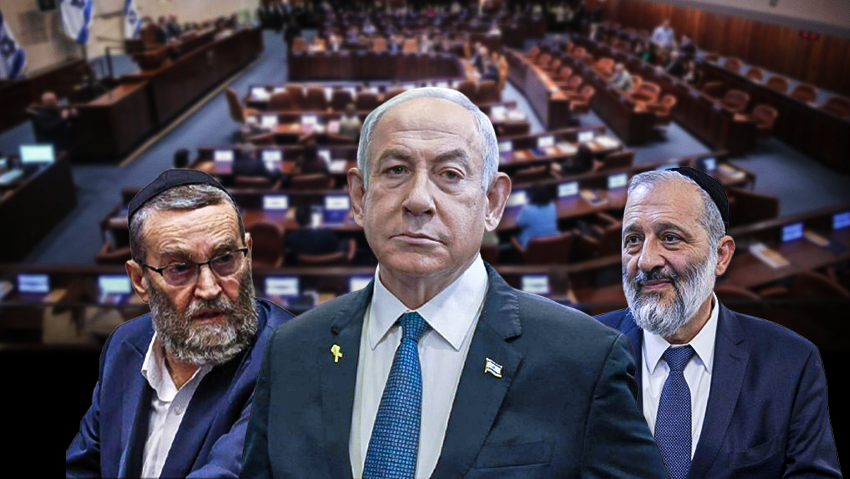
The move would set two parallel processes in motion: a parliamentary effort to dissolve the Knesset and bring forward elections, and a political push by Netanyahu to revive the draft exemption bill, appease his ultra-Orthodox partners and prevent the collapse of his government.
Even if the dissolution bill passes its preliminary reading, the timing of elections would remain unclear. Netanyahu prefers a vote in late October, while the ultra-Orthodox parties are pushing for September. Under Israeli law, elections must be held by Oct. 27, 2026, as the current Knesset finishes its four-year term.
The dispute centers on Israel’s long-standing exemption for many ultra-Orthodox men studying in religious seminaries, an arrangement that has become increasingly contentious during the war as reservists serve repeated tours and the military says it needs more manpower. The High Court of Justice has ruled that the state cannot continue to grant blanket exemptions without a law regulating the issue.
After a preliminary vote, the dissolution bill would return to the Knesset House Committee before coming back to the plenum for a first reading. It would then return to committee again before final votes, when an election date would be set. Coalition officials hope to stretch out the process, though it could technically be completed within days.
Netanyahu has been meeting with undecided coalition lawmakers in an effort to secure support for the draft bill or persuade them to abstain. Coalition officials say some holdouts could still back the measure, though several lawmakers remain firmly opposed.
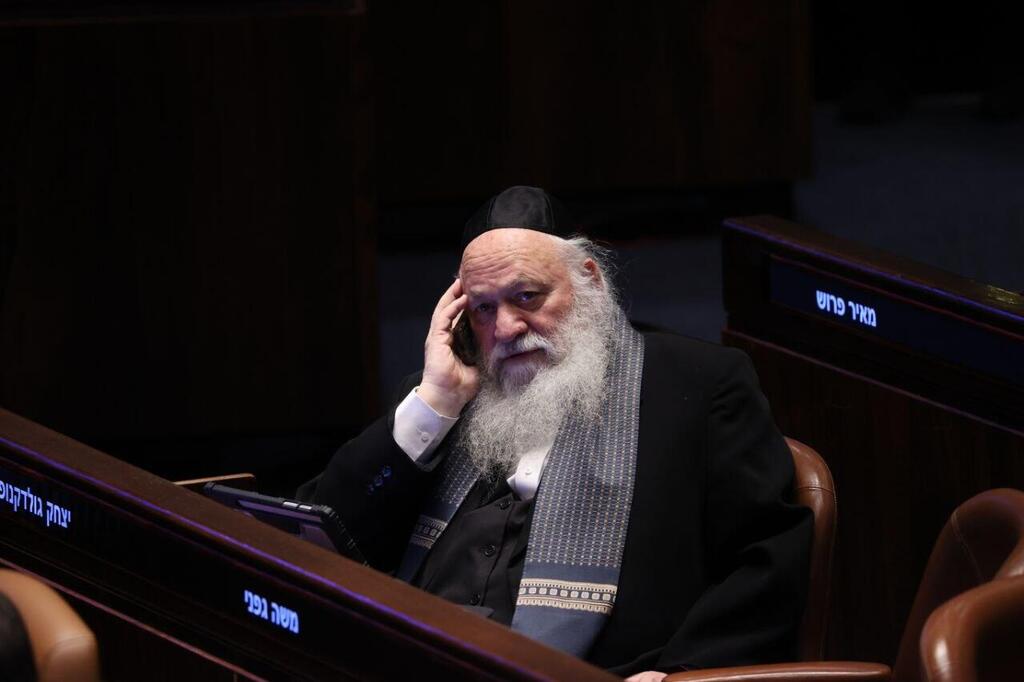
Yitzhak Goldknopf
(Photo: Alex Kolomoisky)
Among the hard-line opponents are Yuli Edelstein, Sharren Haskel, Ofir Sofer and Dan Illouz from Netanyahu's ruling Likud Party, as well as Yitzhak Goldknopf and Ya’akov Tessler of Agudat Yisrael, the Hasidic branch of the ultra-Orthodox United Torah Judaism alliance, who argue the emerging legislation would harm yeshiva students.
Adding to the uncertainty, lawmakers have not yet seen the final text. Boaz Bismuth, chairman of the Knesset Foreign Affairs and Defense Committee and a staunch Netanyahu ally, has not circulated the bill, saying there is little point until it is clear whether the coalition can support it.
Senior ultra-Orthodox officials voiced skepticism, saying Netanyahu’s main goal was to buy time. “Netanyahu is trying to show effort and sell us the idea that there may be a majority for the draft law,” they said. “But as time passes, from a logistical and practical standpoint, elections in October become more relevant.”
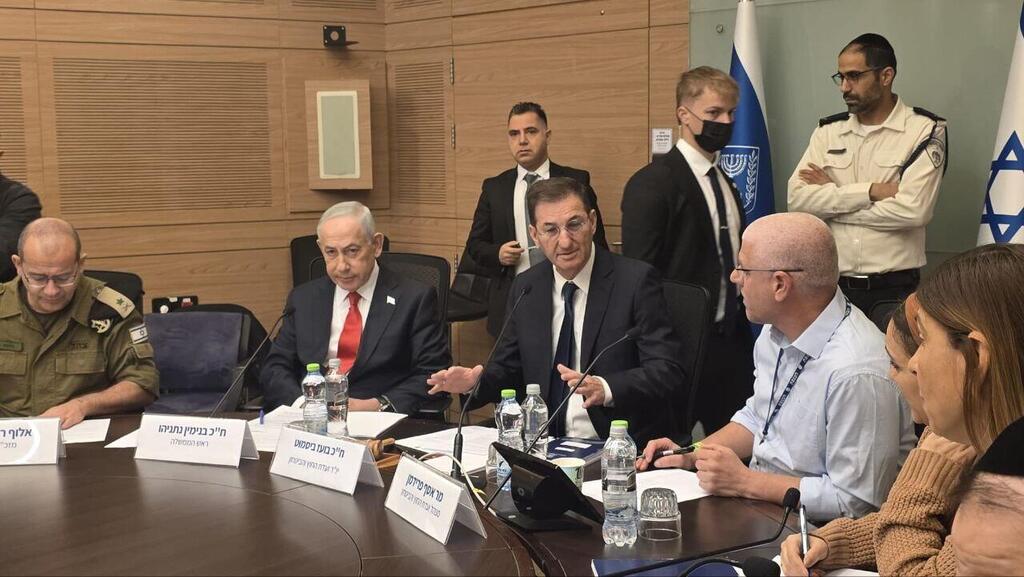
The Knesset Foreign Affairs and Defense Committee in session
The Foreign Affairs and Defense Committee is also expected to discuss a separate bill extending mandatory military service, which the army says is needed to preserve readiness. IDF Chief of Staff Lt. Gen. Eyal Zamir has warned that failure to extend service would seriously harm the military’s capabilities.
But the committee’s legal adviser opposes advancing the service extension before the passage of an effective law regulating ultra-Orthodox enlistment.