


Coalition Whip Ofir Katz submitted a bill Wednesday to dissolve the 25th Knesset, joined by the heads of all coalition factions, as Prime Minister Benjamin Netanyahu’s government faces a deepening crisis over ultra-Orthodox military draft exemptions.
The coalition’s plan to submit its own dissolution bill is intended to give it control over the election date. The bill is expected to come to a vote next week. Under Katz’s proposal, the election date would be set during discussions in the Knesset House Committee.
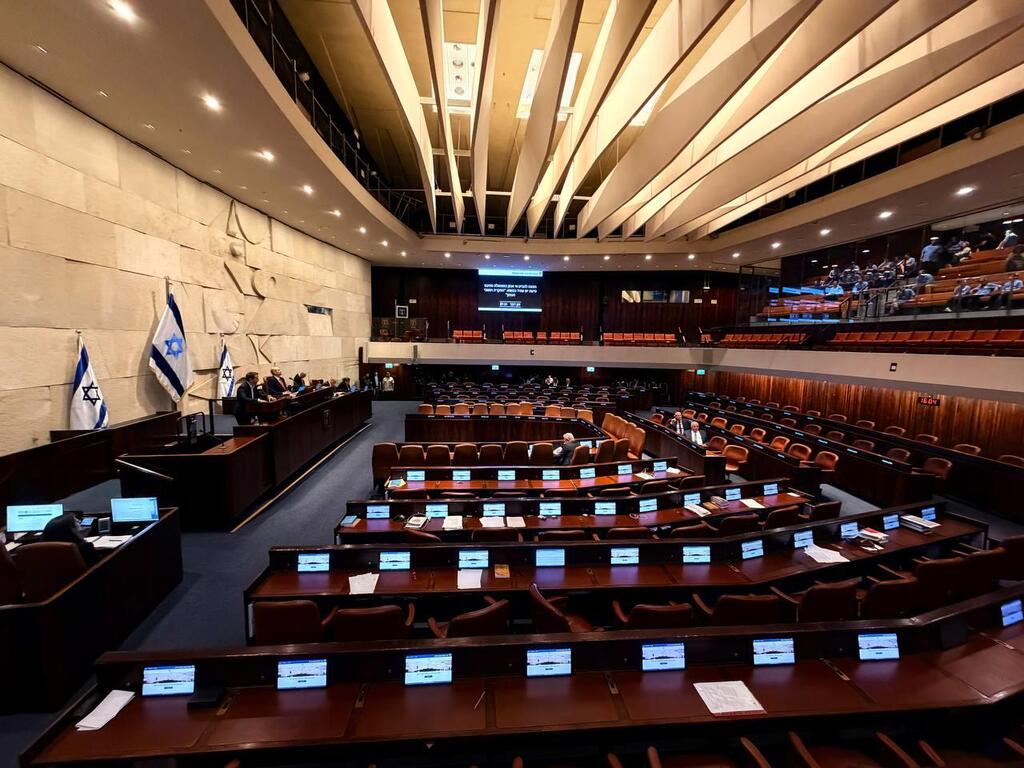
The Knesset plenum
(Photo: Shalev Shalom)
The move came after ultra-Orthodox parties said they would work to dissolve the Knesset. Earlier Wednesday, the coalition decided to remove all bills from the plenum agenda, including a controversial appointments bill that would allow every elected government to appoint a broad range of senior public officials.
The coalition crisis intensified after Rabbi Dov Lando, the spiritual leader of the Degel HaTorah faction, told the party’s lawmakers Tuesday to act to dissolve the Knesset, saying, “We no longer have confidence in Netanyahu.” Following his remarks, the Lithuanian stream of United Torah Judaism stopped coordinating votes with the coalition.
Until then, Degel HaTorah lawmakers had agreed to support proposals aimed at weakening the judiciary in response to sanctions ordered by the High Court of Justice against draft dodgers.
The appointments bill is now also in doubt. Ultra-Orthodox parties have refused to support it amid anger over the failure to advance legislation exempting Haredi men from military service. The opposition is also pushing to dissolve the Knesset and move up elections, withdrawing its own bills to embarrass the coalition in votes.
The proposed appointments law would give the government near-exclusive authority to appoint and dismiss top officials, including the attorney general, civil service commissioner, IDF chief of staff, Shin Bet chief, police commissioner and others. It also stipulates that existing appointments would expire 100 days after a new government is formed unless the government decides otherwise. Netanyahu wants to pass the bill before elections.
People close to Netanyahu are seeking to delay elections as long as possible, hoping to accumulate additional military and diplomatic achievements that could help him at the ballot box. Netanyahu has told his partners more than once that he wants to complete the government’s term, but the Haredi draft exemption issue has repeatedly shaken the coalition.
Coalitions typically dissolve themselves, though Netanyahu’s circle said earlier they believed they could stretch the process further.
In informal talks already held, two possible election dates were raised in addition to the original scheduled date: Sept. 1 and Sept. 15. Shas is interested in both dates. Party leader Arye Deri believes the Hebrew month of Elul and the penitential prayers said during that period would increase turnout among Shas voters.
But officials in Likud and the Religious Zionist Party believe an early September election would be a mistake and want to wait. Finance Minister Bezalel Smotrich, who recently passed the last state budget of the current Knesset term, is still facing the threat that his party could fall below the electoral threshold and is trying to push elections toward the original date for the next Knesset vote: Oct. 27.