


Prime Minister Benjamin Netanyahu’s decision to appoint his military secretary, Maj. Gen. Roman Gofman, as the next head of the Mossad has been met with disappointment inside the intelligence agency, according to current and former officials — though many said the choice did not come as a surprise.
After Netanyahu tapped an outsider, Maj. Gen. David Zini, to lead the Shin Bet earlier this year, senior Mossad personnel expected he would follow the same pattern: choosing figures from outside the service whom he views as aggressive, loyal and ideologically aligned with him. Critics say the move reflects Netanyahu’s broader fight against what he calls entrenched “elites” and the “deep state.” Supporters say Gofman is trusted, discreet and unwaveringly loyal.
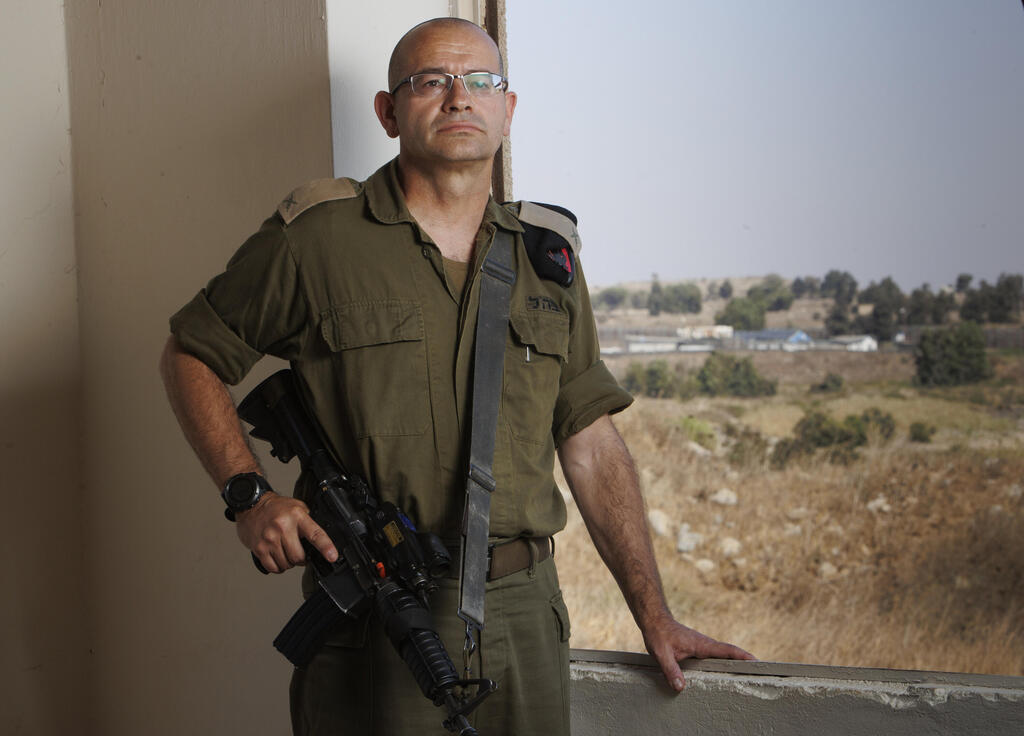
Some officials familiar with the appointment process claimed Gofman underwent an informal “interview” with Netanyahu’s wife, Sara, before the decision — an allegation the prime minister’s office rejected as completely false. Others pointed to his fluent Russian and reportedly limited English, suggesting it could complicate diplomatic outreach, though allies argue that English fluency is not central to Mossad’s core missions. Several senior defense officials predicted a wave of resignations within the agency following the announcement.
Netanyahu bypassed candidates recommended by outgoing Mossad Director David Barnea and instead chose Gofman, who did not rise through Israel’s intelligence community. Those familiar with the prime minister’s thinking said his decision was driven by Gofman’s loyalty and discretion. A former senior defense official described him as “deeply loyal to Netanyahu” and called the appointment “baffling.”
Colleagues say Gofman is a serious, disciplined officer and an avid reader of military history and strategy. Some former security officials say he can also be impulsive. They pointed to a case from his tenure as commander of the 210th “Bashan” Division in which he allegedly authorized the use of a 17-year-old civilian, Uri Almakaies, in an unauthorized influence operation — a case that later led to the teen’s arrest and lengthy detention before charges were dropped.
A former senior Military Intelligence officer said that while Gofman is “a crafty and brave bastard,” he lacks the operational intelligence background typically expected of a Mossad director. “He speaks only Russian and Hebrew, not a word of English,” the official said. “He’s been a major general for just a year and has never managed an organization of that scale.”
Others argued the choice is seen as loyalty-driven: “Why choose him other than he’s a yes-man for Netanyahu?” one former official said. “Many inside the Mossad will leave — and that’s a shame.”
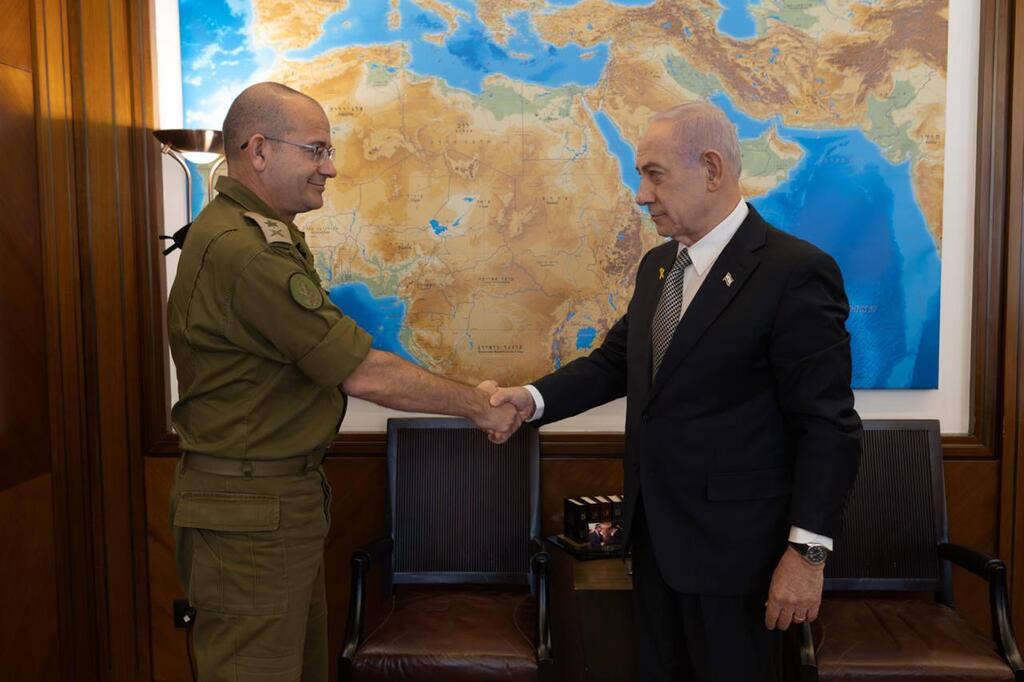
(Photo: PMO)
Sources close to Netanyahu pushed back sharply, calling Gofman an excellent appointment. They said his Russian language skills and regional understanding made him invaluable in sensitive missions in Moscow, and noted that as military secretary he became Netanyahu’s closest security adviser. They said he played a role in high-risk covert operations attributed to Israel, including assassinations of senior Hezbollah figures, and missions directed against Iran during the conflict with Iran earlier this year.
Officials who worked closely with him describe Gofman as an aggressive, unconventional thinker “with a knife between his teeth.” They say he excels in deception and operational creativity and is fiercely guarded with sensitive information — traits they consider essential for the Mossad. “He is the prime minister’s most trusted security aide,” one said. “Not the chief of staff, not the defense minister — it was Gofman.”
While some cite his limited English as a concern, supporters argue that Mossad’s main arenas — Iran, Syria and Lebanon — do not require English fluency. They say his Russian is an advantage given Moscow’s ties to Iran and other hostile actors.
IDF Chief of Staff Lt. Gen. Eyal Zamir met with Gofman this week and congratulated him, saying the army would support him as he transitions into the role. The Mossad confirmed that Barnea spoke with Gofman and wished him success.
Netanyahu said he selected Gofman after interviewing several candidates. He praised Gofman’s “exceptional professional abilities,” citing his role on October 7, when he left his home to fight Hamas gunmen and was seriously wounded. The appointment has been submitted to the senior appointments advisory committee for review.
Netanyahu’s office dismissed as “absolute fake” allegations that Sara Netanyahu was involved in the vetting process. It did not comment on concerns regarding Gofman’s English proficiency.