

The women serving as the IDF's special operations officers hold one of the most critical planning roles in Central Command, overseeing intelligence, coordinating forces and ensuring that complex counterterrorism operations unfold without a hitch.
Over the past three years, as the military shifted its strategy in the West Bank toward more proactive operations, the tempo of raids and arrests has increased significantly. Behind many of those missions are young female officers responsible for turning intelligence into action.
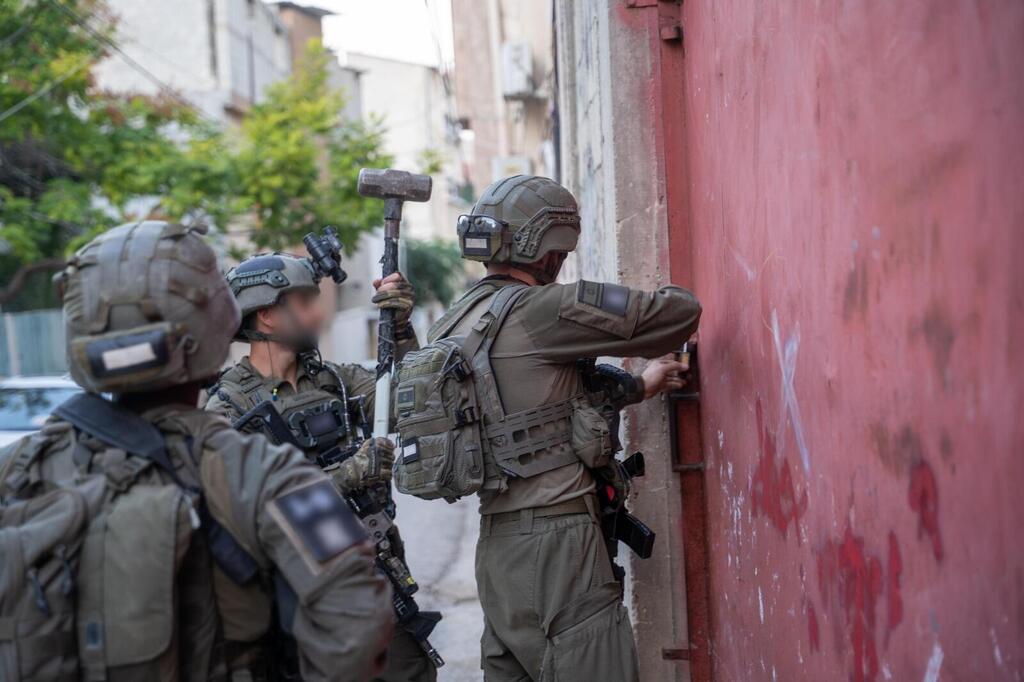
'Nothing can go wrong'
Lt. P., the special operations officer for the Ephraim Regional Brigade, oversees operations in the Palestinian cities of Tulkarm, Qalqilya and Salfit.
She began her military service in training and instruction but wanted to move into operational command.
"I've been in this position for nine months," she said. "My previous role was as an instructor in the officers' course, but I wanted to experience the operational side of the military, including counterterrorism and coordination."
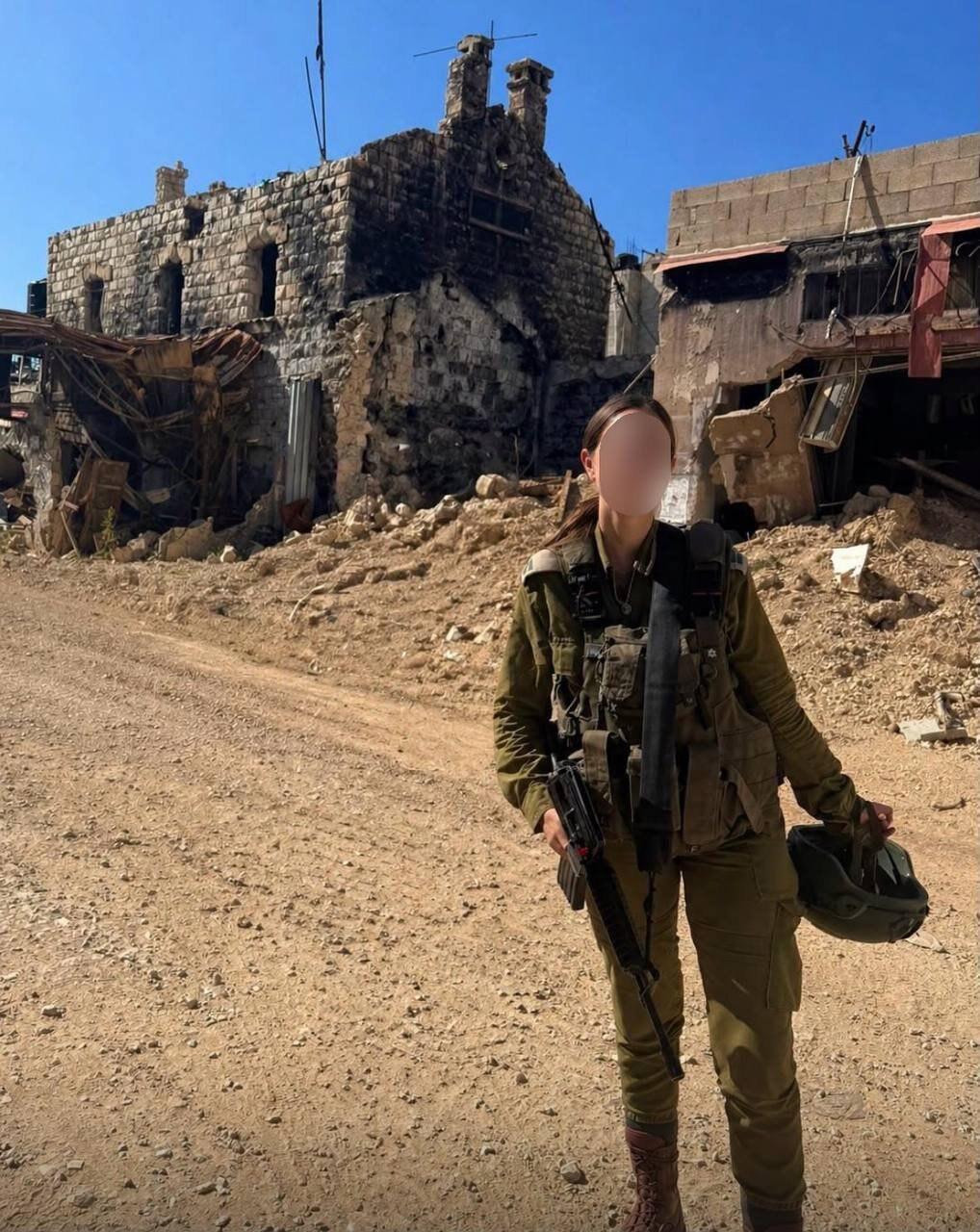
Lt. P.
(Photo: IDF)
Special operations officers serve as the brigade commander's right hand, coordinating every stage of an operation—from initial planning through cooperation with IDF units, Israel Police forces and the Shin Bet internal security agency.
About six weeks ago, Lt. P. helped coordinate the arrest of a Palestinian suspect allegedly involved in the 2007 killing of Israeli civilian Ido Zoldan in the West Bank.
"The operation involved special military and police units," she said. "It required closing intelligence gaps and making sure every medical and logistical detail was covered so nothing would go wrong."
A unit operating around the clock
Among the IDF's busiest units in the West Bank is Duvdevan, an elite undercover unit specializing in arrest operations.
Its special operations officer, Capt. A., 23, from Tel Aviv, is nearing the end of two years in the position.
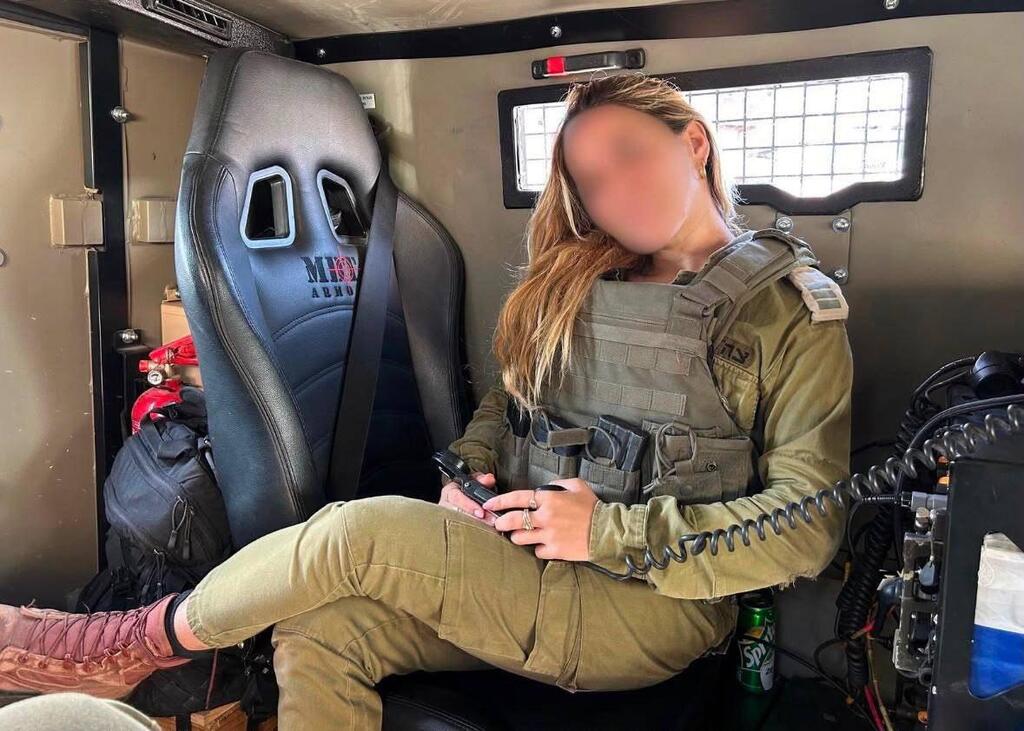
Capt. A.
(Photo: IDF)
"The role is different in a special operations unit than in a regional brigade," she said. "I have to think all the way down to the last soldier and every possible scenario that could unfold during an operation."
As one of the few women in a predominantly male unit, she said she has never felt her authority questioned.
"I work 24/7 with company commanders and the soldiers, but I've never experienced disrespect," she said. "This is a unit that operates at a very high pace, and everything falls on me. I don't even have a deputy."
She said operational demands routinely take precedence over her personal life.
"I've canceled plans because of missions," she said. "Friday night dinners, meeting friends—those things become secondary. That's simply part of the job."
Capt. A. has served in the military for over five years, including as operations officer for Golani Brigade's 13th Battalion, where she served during the early stages of the war that began after Hamas' Oct. 7, 2023, attack on southern Israel.
She said the attack reinforced her decision to remain in uniform.
"I realized everything I do has meaning and that we have to protect our country," she said. "As long as I have the strength to serve, there's no way I'm walking away."
Balancing duty and personal loss
During her current assignment, Capt. A. experienced a family tragedy.
"I was preparing for a very important operation in the Samaria sector," she recalled. "During a short break, my father asked me to check whether Amitai was OK because he had heard there had been an incident at the Golani base."
Because she had previously served with the brigade, she contacted former commanders.
"A few minutes later my father called back and told me my cousin had been killed."
Despite the news, she remained at her post until the operation ended.
"I had to pull myself together," she said. "I understood we had an important mission. I had to function normally, and only afterward could I mourn Amitai."
She carried on throughout the night before traveling to be with her family the following morning.
'I am the operational arm'
Capt. H., 24, from the Jezreel Valley, serves as special operations officer for the Etzion Regional Brigade, south of Jerusalem.
She previously served as operations officer for the 98th Division and decided shortly before completing her service to remain in the military.
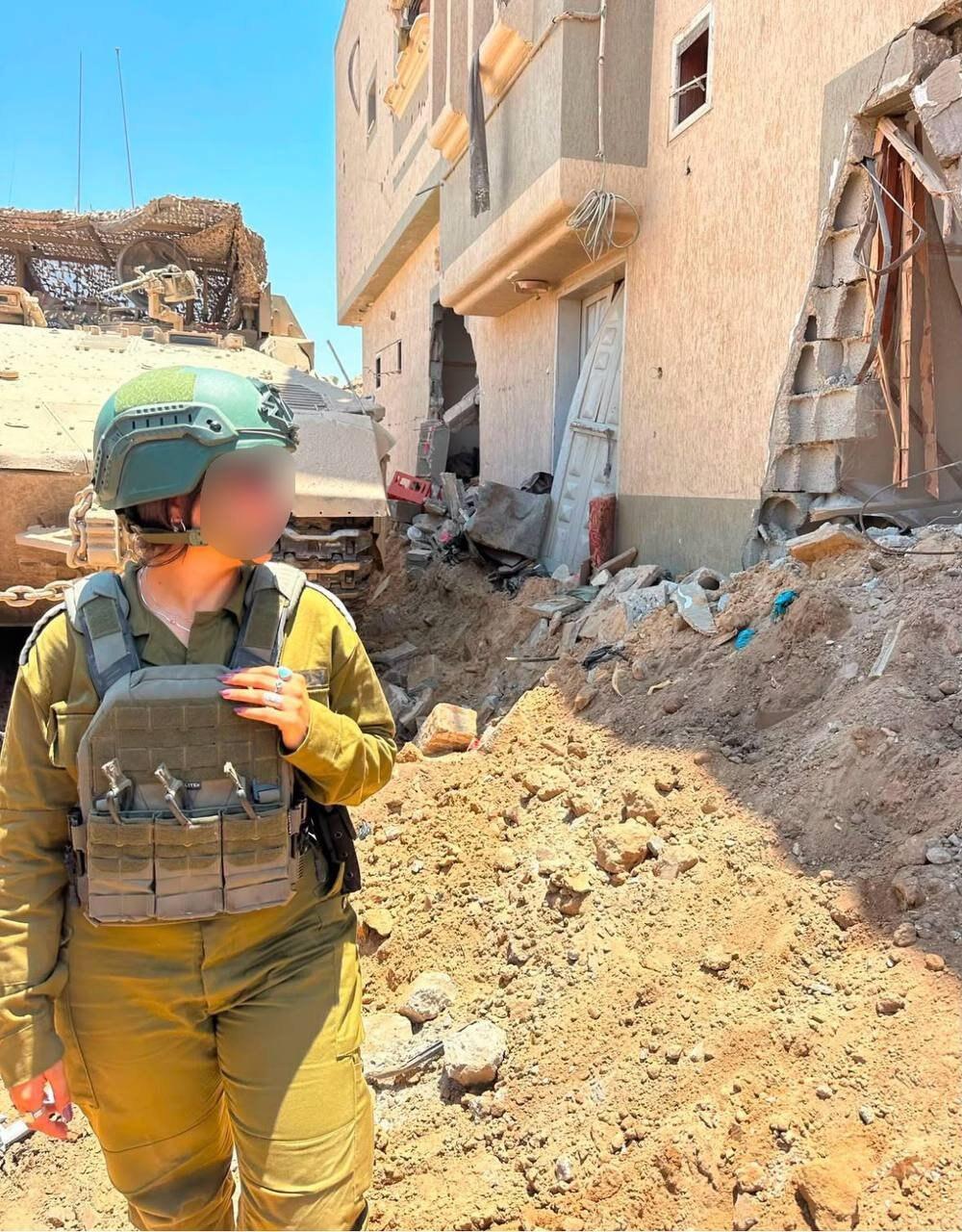
Capt. H.
(Photo: IDF)
"I am the operational arm," she said. "When something happens in the brigade's area, I choose from our target bank which operation we will carry out."
One of the missions that left the strongest impression on her was coordinating the demolition of the home of the Palestinian attacker who killed Israeli civilian Shalev Zvuloni at Gush Etzion Junction last year.
"It happened right at the beginning of my time in the role," she said. "I saw how the operation I coordinated helped complete the cycle by demolishing the attacker's house."
She said satisfaction also comes from smaller successes.
"Closing the loop on stone-throwers or Molotov cocktail attacks, working together with neighboring brigades—it doesn't have to be a major operation. Even the smaller missions provide a real sense of accomplishment."
Approaching the end of her military service, Capt. H. said no trip abroad could compare with the fulfillment she has found in the role.
Women in operational command
Capt. H. said working almost exclusively alongside male commanders has never affected her role.
"It isn't a factor," she said. "I'm involved in every decision together with the brigade commander and the other commanders. I've never felt any discrimination."
She also said she believes military service is an obligation for Israeli women.
"I contribute, and what I do has meaning that I wouldn't find anywhere else."
Lt. P. agreed, arguing that women bring particular strengths to operational coordination.
"This job requires strong interpersonal skills and patience," she said. "You have to coordinate so many different organizations while finding solutions very quickly. That's one of the advantages women bring—they're able to manage several things at once."