

Prosecutors on Thursday filed an indictment against crime boss Nidal Abu Latif and 10 other suspects, more than a month after a major police raid targeting dozens of locations linked to the Abu Latif and Hariri crime organizations.
The charges include extortion by threats, conspiracy to commit a crime, extortion by force, obstruction of justice, fraud, money laundering offenses, and violations of income tax, value-added tax and customs laws, according to the indictment.
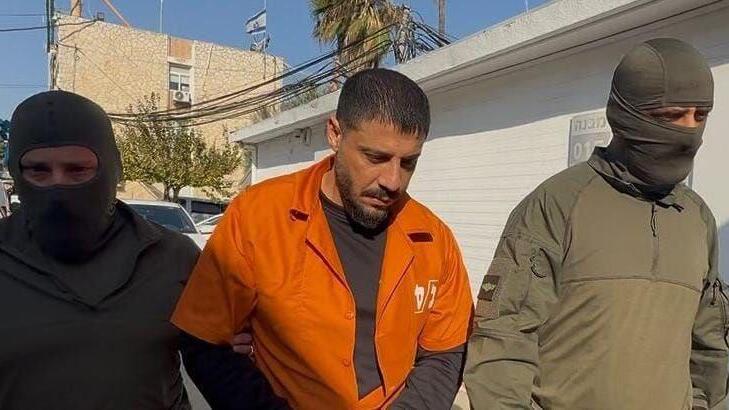
Abu Latif, 46, of Kfar Vradim, is accused of leading the criminal organization. The other defendants include Fadi Artoul, 46; Sharif Artoul, 41; Jaris Artoul, 72, a former deputy mayor of Marar; Nizar Artoul, 58; and Alaa Artoul, 31, also from Marar. Additional defendants are Eyal Salameh, 33, of Ein al-Asad; Hossam Sabit, 53, of Maalot-Tarshiha; Majd Mahoul, 38, of Peki’in; and Zaid and Fares Ayesh, 32 and 56, from Shechem.
The indictments follow a yearlong undercover investigation led by the Northern District Major Crimes Unit, in cooperation with Income Tax, VAT and Customs investigators in Haifa and the Israel Money Laundering and Terror Financing Prohibition Authority. Prosecutors requested that the defendants be held in custody until the end of proceedings. A separate indictment was filed against members of the Hariri crime organization.
According to the indictment, between 2020 and 2025 Abu Latif and several co-defendants systematically used threats, intimidation and violence to extort money, seize assets and advance economic interests. The offenses targeted a businessman identified as “the Prince,” who fell into financial distress during the COVID-19 period.
The businessman owed money to a father and son who own a tahini factory, Zaid and Fares Ayesh, who turned to the Abu Latif organization to collect the debt. Even after the debt was settled, members of the organization allegedly continued to extort the businessman and his family, demanding money and property and forcing him to carry out business transactions for companies linked to the group.
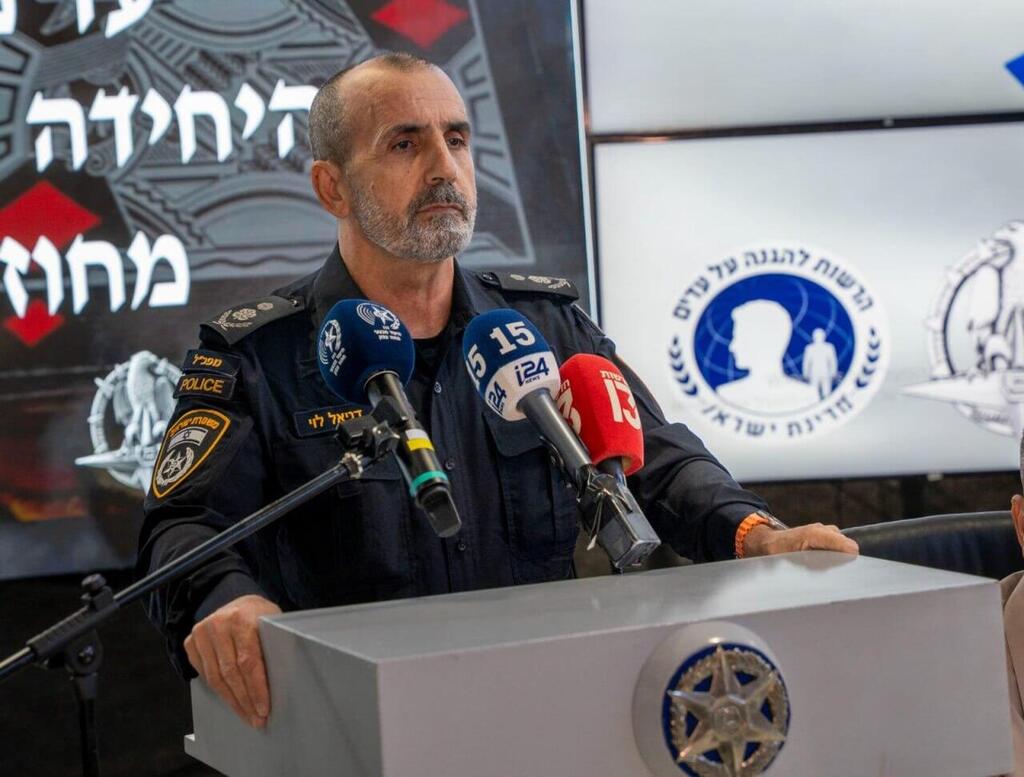
Police Commissioner Danny Levy
(Photo: Israel Police)
Prosecutors said the extorted funds were not transferred to the factory owners, who later turned to the Hariri crime organization, which also began extorting the businessman over the same debt. During this period, the businessman signed a state witness agreement under the witness protection program, operating inside the Abu Latif organization while simultaneously being extorted by the Hariri group, according to the indictment.
The indictment quotes Abu Latif as telling the businessman: “We are Abu Latif. We do whatever we want. We are the state. This business is ours. No police, no country, no family can enter here. This is mine.”
Prosecutors also allege that Abu Latif and several associates forced the businessman and his wife to work for companies under the organization’s control over a prolonged period. The businessman allegedly worked for years without the ability to quit, under constant threats, and at times was forced to beg in order to receive wages.
Police Commissioner Danny Levy said the indictments represent a significant blow to major crime organizations. He credited the infiltration of the groups by the state witness and close cooperation between police, prosecutors, economic enforcement bodies and the witness protection authority.
“This is a meaningful step in the fight against organized crime in Arab society,” Levy said, adding that police remain committed to reducing violent crime and dismantling criminal organizations.