

U.S. Vice President JD Vance said Monday at a news conference during the Lake Lucerne summit that Iran had agreed to allow inspectors from the International Atomic Energy Agency into the country, adding that he “expects” them to enter Iran as early as this week. But on Tuesday, Tehran said it had no plans to allow inspectors into nuclear facilities damaged during the war.
At the same time, Iran’s ambassador in Geneva said the Islamic Republic’s “red line” was Israeli attacks in Beirut and southern Lebanon. Against that backdrop, and after more than a day of temporary quiet in southern Lebanon, there were reports of two people killed by IDF fire toward Lebanese civilians who had arrived at their homes in the village of Nabatieh al-Fawqa in southern Lebanon.
Vance: Iran agreed to allow nuclear inspectors in


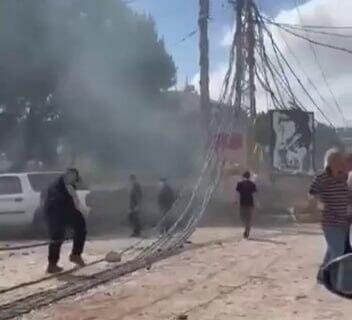
Shortly afterward, after more than a day of temporary quiet in southern Lebanon, two people were reported killed by IDF fire in the village of Nabatieh al-Fawqa. Lebanese officials said Israeli forces opened fire on civilians who had returned to their homes, but the IDF later confirmed it had carried out a strike in the area and said the target was an armed terrorist cell identified near troops on the Ali Taher ridge. “Immediately after the identification, and in a rapid closing of the circle, the forces struck the terrorists north of the security area in order to remove the immediate threat,” the military said. Hezbollah called the strike a “blatant” violation of the ceasefire.
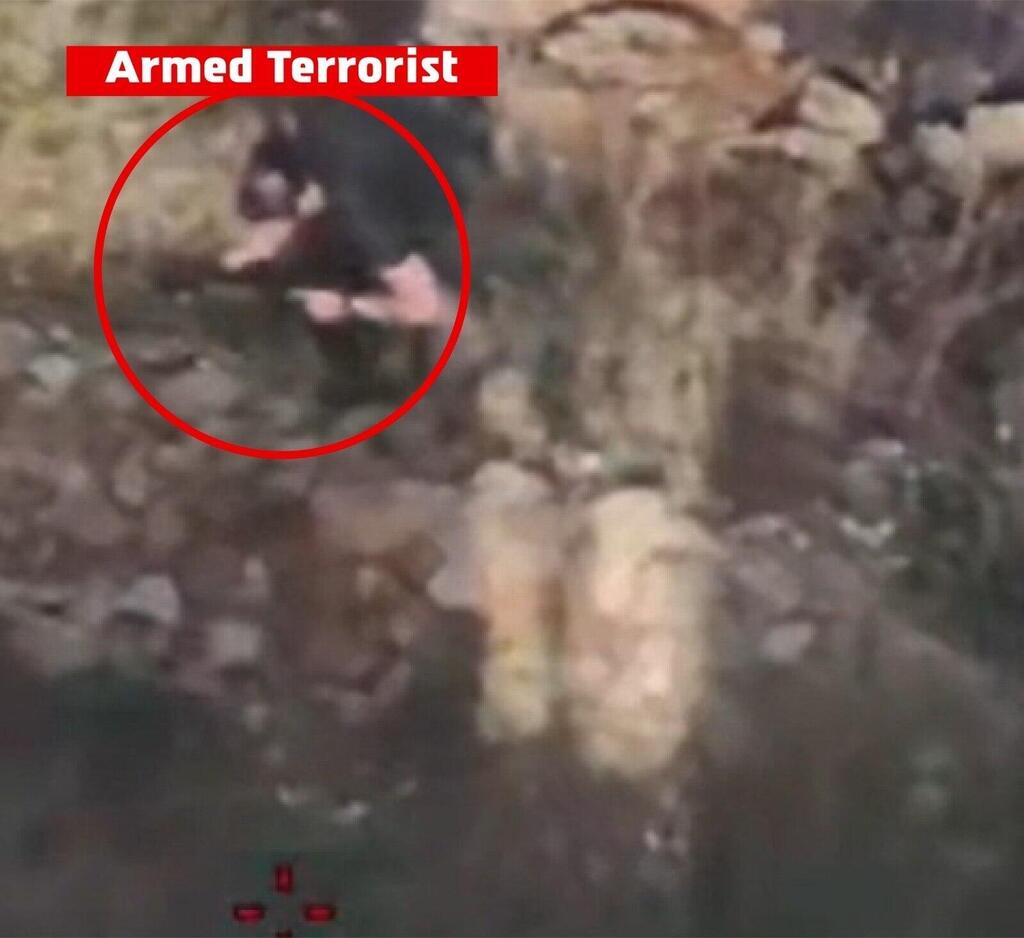
(Photo: IDF)
“In the morning, the Israeli enemy opened fire from among the houses at a group of civilians in Nabatieh,” Hezbollah said in an official statement. “The civilians were working to clear roads and recover bodies from under the rubble. The attack killed two civilians, one of them a municipal worker, and wounded others. Hezbollah warns that this act by the enemy constitutes a blatant violation of the ceasefire to which the resistance has adhered until now.”
“We do not intend to allow IAEA inspectors to visit the nuclear sites that were attacked in the war,” Iranian Foreign Ministry spokesman Esmaeil Baghaei said at a news conference in Tehran.
Baghaei also said Iran had not held a meeting with IAEA Director General Rafael Grossi in Switzerland and that no procedure exists for IAEA inspections at damaged facilities. He added that Iran would continue to meet its current obligations as a member of the Treaty on the Non-Proliferation of Nuclear Weapons and under its safeguards agreement with the IAEA.
Baghaei’s remarks appear to contradict Vance’s comments a day earlier, in which the vice president said negotiations in Switzerland had produced Iranian agreement to allow inspectors back in.
“Iran has agreed to invite the inspectors back into the country,” Vance said Monday. “This is a significant milestone for the American people, and the first step toward permanent nuclear demilitarization or the permanent end of Iran’s nuclear weapons program. We have made significant progress in additional nuclear talks as well.”
The IAEA has operated intermittently in Iran after last year’s 12-day war between Israel and Iran, but has not yet received access to uranium enrichment sites bombed by the United States during that war.
Baghaei also rejected President Donald Trump’s claim that Iran would use unfrozen funds to purchase American goods.
“We will decide how to spend the released Iranian funds. There are no restrictions on this matter,” Baghaei said. “We can now access the frozen funds. The commitment to a ceasefire in Lebanon is part of the memorandum of understanding, and the United States has committed to uphold it.”
He also addressed Iran’s refusal to take part in joint photos, saying: “We did not travel to Switzerland for media activity and promotion.”
Iranian state media said Tuesday morning that technical talks in Switzerland had ended and that working groups would be established to address several issues, including the nuclear file and sanctions relief.
“It was decided to establish four working groups that will focus on sanctions removal, the issue of nuclear weapons, Iran’s reconstruction and economic development, and a supervision and monitoring group,” Iranian Deputy Foreign Minister Kazem Gharibabadi said.
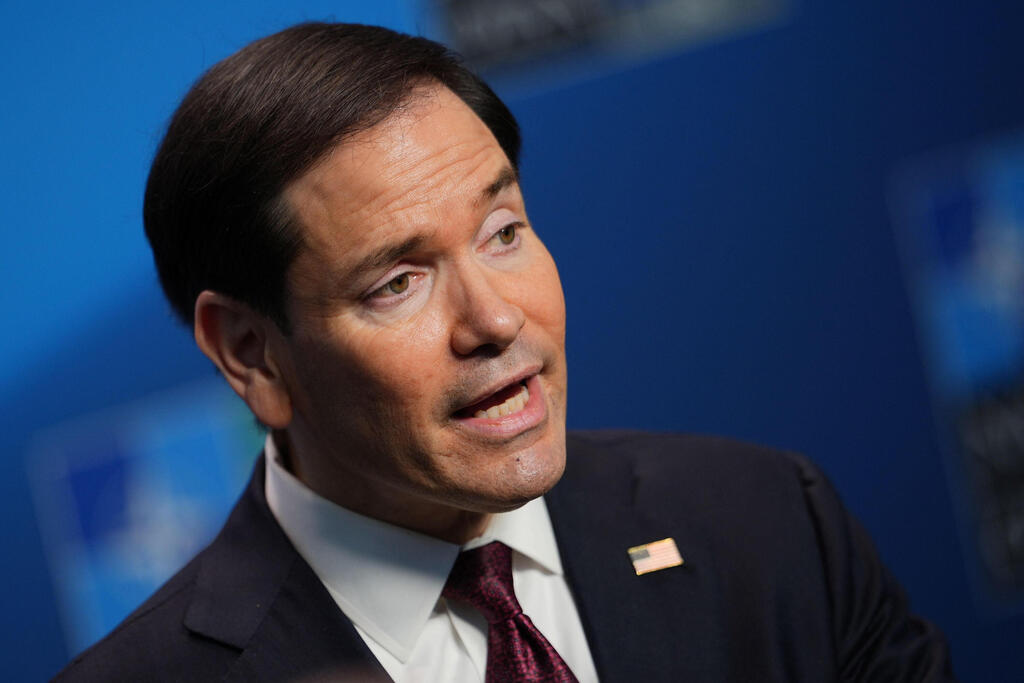
Marco Rubio
(Photo: Julia Demaree Nikhinson / POOL / AFP)
Secretary of State Marco Rubio is expected to begin a regional trip Tuesday focused on trying to “sell” the Iran agreement to Gulf states. Rubio will visit the United Arab Emirates, Kuwait and Bahrain, but will not come to Israel.
During his stay in Bahrain, Rubio is also expected to meet with the Gulf Cooperation Council, which includes Saudi Arabia, Qatar, Oman, the UAE, Kuwait and Bahrain.
Although Gulf leaders have expressed general support for efforts to end the war between the United States and Israel and Iran, many are concerned about specific clauses in the memorandum of understanding.
One of the main issues worrying regional officials is the possibility of establishing a $300 billion reconstruction fund for Tehran. Gulf leaders fear Iran could use the money to rebuild its military capabilities and fund its proxies across the region.
In addition, the fact that the memorandum does not address Iran’s ballistic missile program has raised concerns among Washington’s Gulf allies, which have suffered Iranian missile and drone attacks in recent months.
First published: 11:25, 06.23.26