

Hundreds of armored personnel carriers, tanks and D9 bulldozers are expected to soon roll across chickpea and wheat fields in the northern Gaza envelope, near Ashkelon. From there, the first armored columns of the 98th and 162nd divisions are to cross the new buffer zone established by the Israel Defense Forces (IDF) on the Gazan side of the border and strike at Hamas strongholds.
Such a charge is meant to take little time. But on the eve of Operation Gideon’s Chariots II, Chief of Staff Lt. Gen. Eyal Zamir is worried about something else. Beyond the danger to hostages in Gaza City, he has stressed in his orders to division commanders the need for extreme caution, hoping the instructions reach even the lowest-ranking officers.
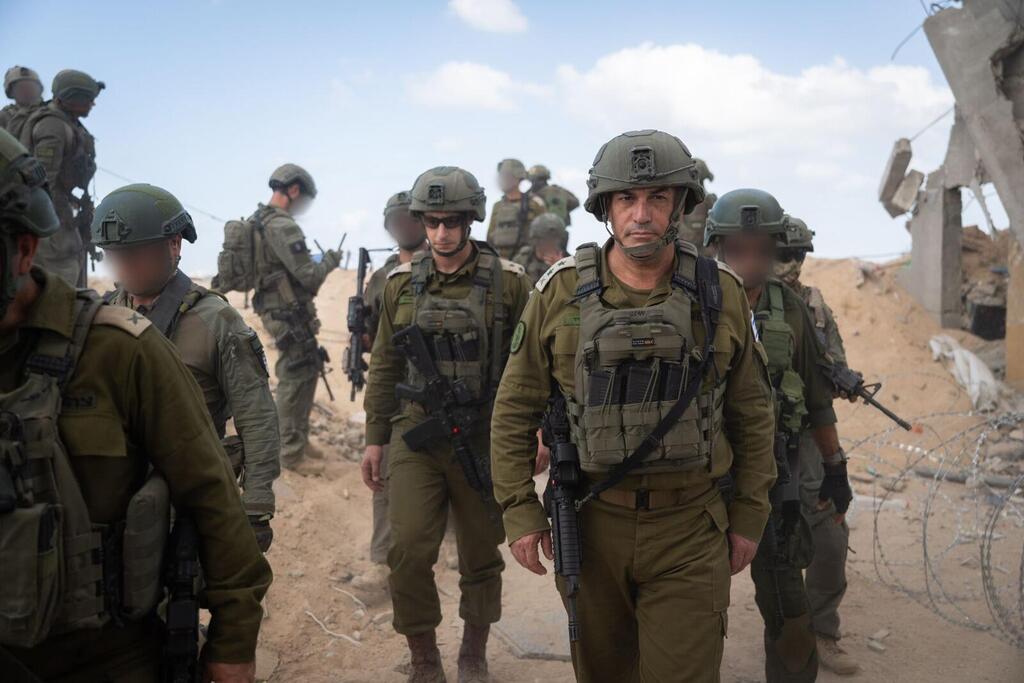
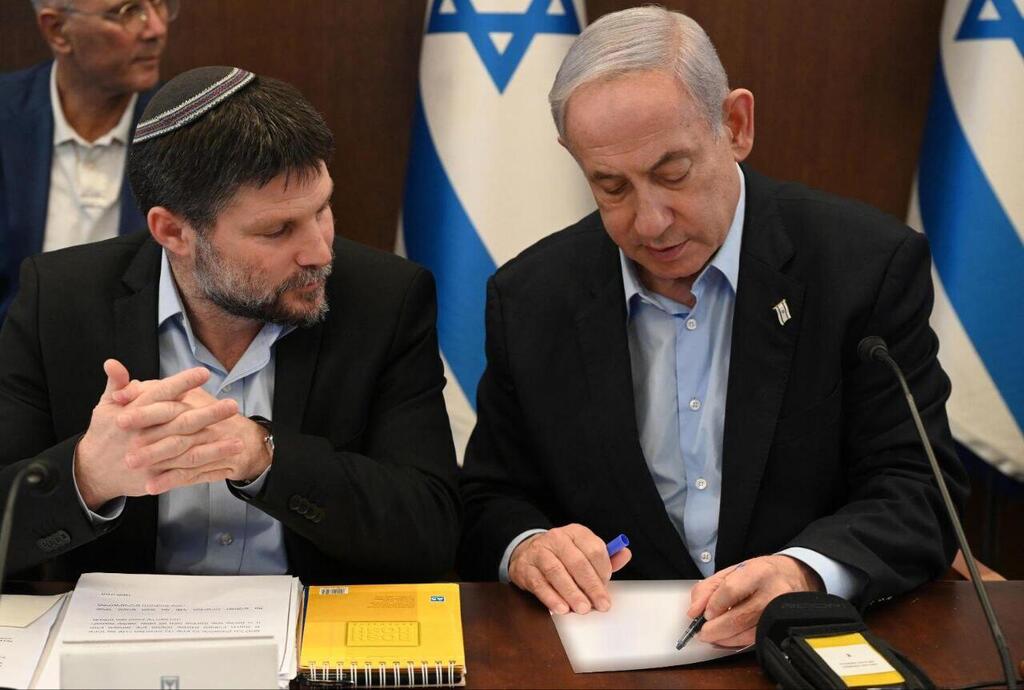
Zamir is not only concerned about the number of Israeli casualties in the months ahead. In recent discussions, he has repeatedly underlined the principle of “safety before speed,” so as not to fall into Hamas traps in alleys and tunnels. Nor is he focused on the strain on soldiers and commanders, whom he believes will ultimately withstand every task. What frustrates Zamir most, according to those present, is Prime Minister Benjamin Netanyahu’s hesitation — and that of Finance Minister Bezalel Smotrich, the decisive voice in the cabinet — to make a long-term decision that should begin to take shape at the end of the operation.
Without such a decision, this maneuver is expected to end like the previous one, with the soldiers’ gains fading day by day as Hamas regroups. The IDF will carry out any political decision, however controversial: Israeli military rule over Gaza’s two million Palestinians, an Arab-led administration under U.S. sponsorship, or the gradual transfer of areas to the Palestinian Authority after the IDF eliminates Hamas, particularly underground.
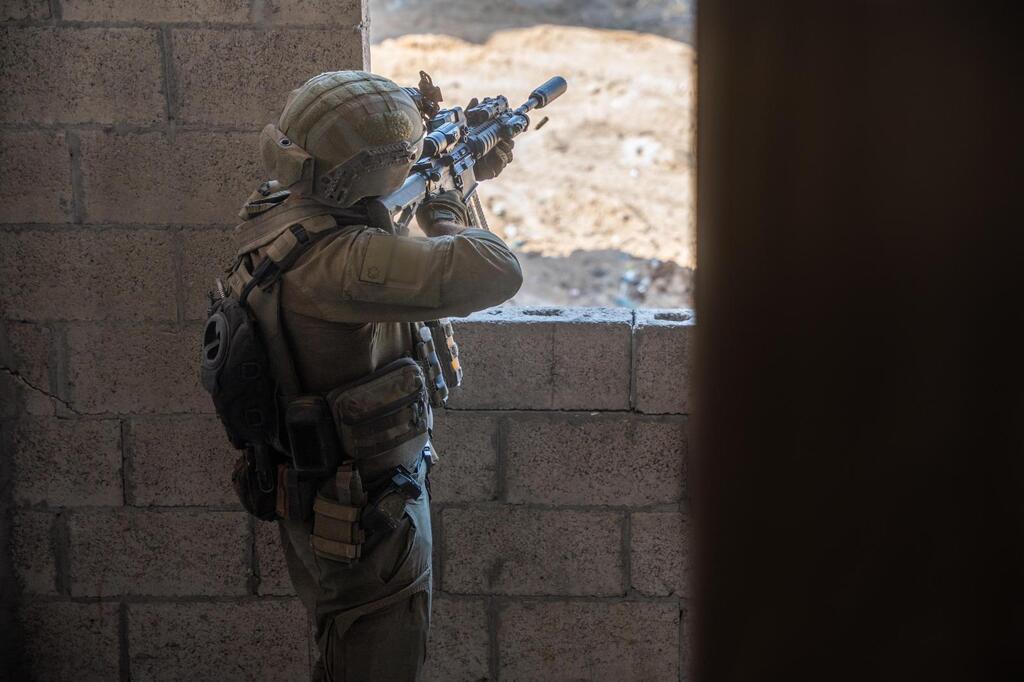
In recent days, soldiers at the Tze’elim base have been trained in new combat techniques: destroying buildings without entering them, avoiding immediate exposure during ambushes, and advancing through ruins that Hamas fighters use as cover.
Another option — reversing the 2005 disengagement, retaking the territory and reestablishing Jewish settlements — would also require the IDF to plan and carry out months of operations. All such decisions carry political risks, demand persuasion at home and abroad, and require leadership courage that cannot be replaced by another Gideon’s Chariots. Other proposals, such as arming Gaza clans or encouraging emigration, have already failed.
(Photo: GPO)
The chief of staff has almost pleaded with the political echelon: decide what to do with Gaza. Sending soldiers again and again into the same neighborhoods for circular fighting, only to later blame the IDF and its commanders for failing to defeat Hamas, will not bring victory and will not return the hostages.
Even in the IDF’s most optimistic scenario, Gideon’s Chariots II is expected to end only around January 2026, with the defeat of Hamas’ Gaza City brigade, the capture of much of its underground bases, and the destruction of thousands of buildings to prevent the tunnels from being rebuilt.
Any timetable should be taken with caution, even when it comes from the military. Since the start of the war, the IDF has promised to defeat Hamas’ Zeitoun Battalion in three weeks or its Khan Younis Brigade in four months. Those brigades were indeed dismantled, preventing another Oct. 7-style attack or coordinated assaults, but Hamas has since shifted to guerrilla warfare, embedding its forces in the population.
Nearly all brigade and battalion commanders fighting in Gaza believe the IDF will have to continue ground operations against Hamas in the coming years to deepen and preserve its gains. The question is whether Netanyahu will provide the missing strategic decision.
(Photo: IDF Spokesperson's Unit)
Troops entering Gideon’s Chariots II will include many who have never set foot in Gaza — young conscripts who were still in high school on Oct. 7 and rushed to fill the ranks of Givati, Golani, the 7th Brigade and other infantry, armor and engineering units. The latest recruitment cycle once again exceeded expectations, as happened with the mass call-up of reservists in October 2023, with training bases reporting more than 100 percent capacity.
In recent days, those soldiers have practiced only a small taste of new methods: destroying buildings without clearing them room by room, not rising immediately in ambushes, and learning to maneuver and fight among ruins that Hamas uses to its advantage.
Reports from the field say motivation is high, especially among the younger soldiers, alongside natural fears and excitement. The challenge will fall on tactical commanders — sergeants and lieutenants leading squads — to apply experience, maintain alertness after days in exposed outposts, and secure engineering units working under the blazing sun with bulldozers.
Until then, the IDF is preparing “stopping points” for a possible hostage deal, as the political echelon requested. Gathering areas are being photographed despite censorship rules, and journalists are expected to stand beside tanks and artillery, while images of armored columns are meant to impress the public — and above all, Hamas — until the whistle blows for the next push into Gaza.