

Israel has informed the United States that it is running critically low on ballistic missile interceptors as its conflict with Iran continues, according to U.S. officials cited by Semafor.
The officials said Israel had already entered the current war with limited interceptor supplies after using significant numbers during last summer’s fighting with Iran. Israel’s long-range air defense systems have been under heavy strain from sustained Iranian missile attacks.
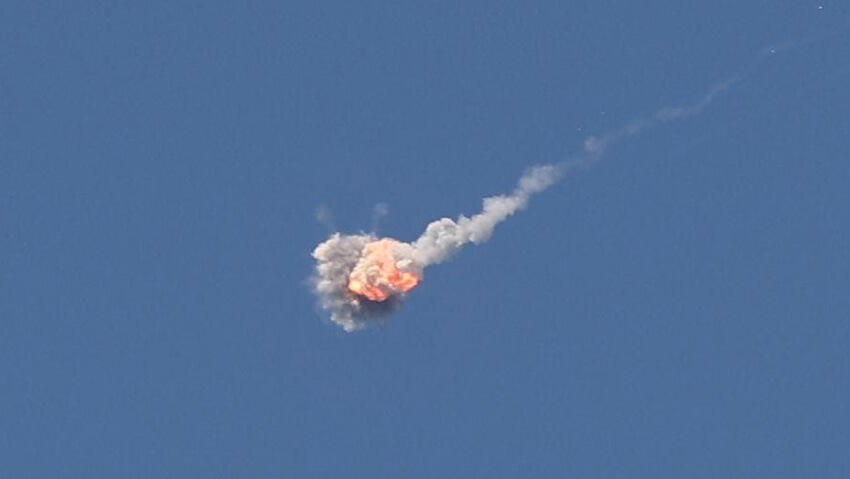
Iran has also begun adding cluster munitions to some of its missiles, a development first reported by CNN that could further accelerate the depletion of Israel’s interceptor stockpiles.
One U.S. official told Semafor the situation had been anticipated in Washington for months.
“It’s something we expected and anticipated,” the official said.
The official stressed that the United States itself is not facing a similar shortage of interceptors, even as analysts and some policymakers have raised concerns about the potential strain on U.S. stockpiles if the conflict with Iran becomes prolonged.
It remains unclear whether Washington would sell or transfer additional interceptor systems to Israel. The United States has included missile defense systems in previous military aid packages to Israel, though doing so could place additional pressure on U.S. inventories.
“We have all that we need to protect our bases and our personnel in the region and our interests,” the U.S. official told Semafor, adding that Israel is “coming up with solutions to address” its shortage.
Israel has other defensive options against Iranian missile attacks, including intercepting threats with fighter aircraft. However, dedicated interceptor systems remain among the most effective tools against long-range ballistic missiles. Israel’s Iron Dome system is primarily designed to counter short-range rockets.
President Donald Trump said earlier this month that the United States has a “virtually unlimited” supply of munitions, though defense analysts have long said U.S. stockpiles are smaller than the military ideally wants.
During a 12-day war with Iran last June, the United States fired more than 150 interceptors from its Terminal High Altitude Area Defense, or THAAD, system, according to the Center for Strategic and International Studies. That figure represented roughly a quarter of the U.S. inventory at the time.
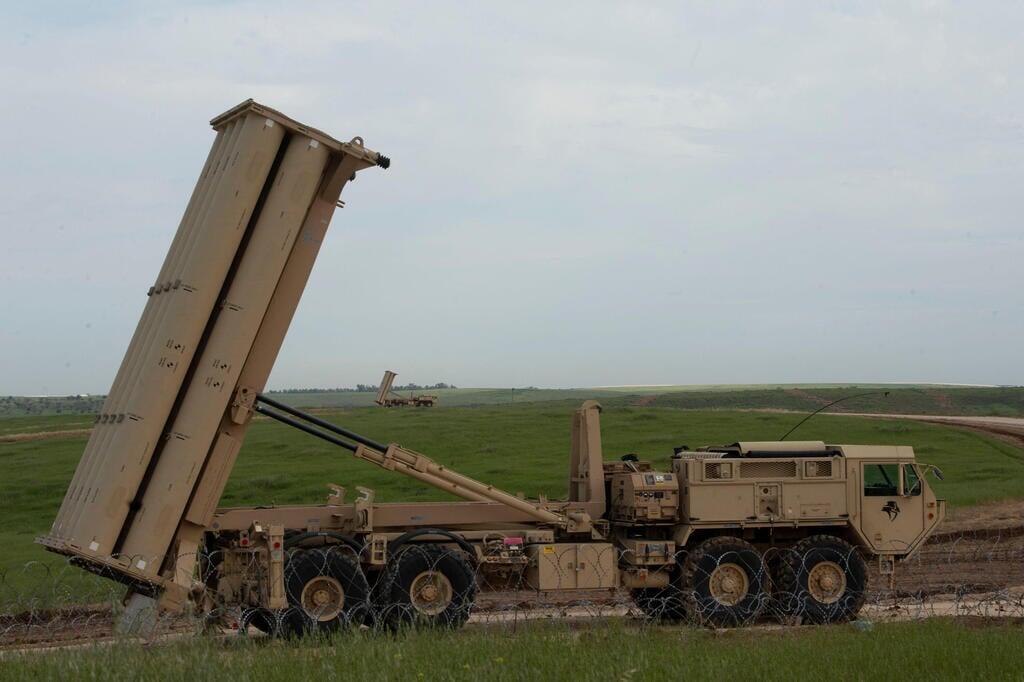
THAAD missile defense system
(Photo: AFP / HANDOUT / DVIDS / US ARMY)
Reports have also estimated that about $2.4 billion worth of Patriot missile interceptors were used in the first five days of the current conflict.
In January, the Pentagon began efforts to significantly expand production of the THAAD missile defense system. The U.S. official told Semafor that the United States still has ample THAAD systems, fighter aircraft and mid-range interceptors available.
The White House, the Pentagon and the Israel Defense Forces did not immediately respond to requests for comment from Semafor.
Separately, the State Department last week announced the sale of 12,000 BLU-110A/B 1,000-pound general purpose bomb bodies to Israel. The Trump administration bypassed congressional review for the sale by invoking emergency authority related to the ongoing war with Iran.
Trump has suggested the conflict could end soon, describing it recently as a “short-term excursion.” At the same time, the United States, Israel and Iran have all signaled they are prepared for a prolonged fight.
“It’ll be as long as it’s necessary,” Trump said Friday when asked how long the conflict might continue. “They’ve been decimated. The country’s in bad shape. The whole thing is collapsing.”
An adviser to Iran’s foreign policy leadership told CNN this week that Tehran currently sees no opportunity for diplomacy and is prepared for a prolonged confrontation.
Defense Secretary Pete Hegseth said Friday that Iran’s “entire ballistic missile production capacity” has been “functionally defeated.”