

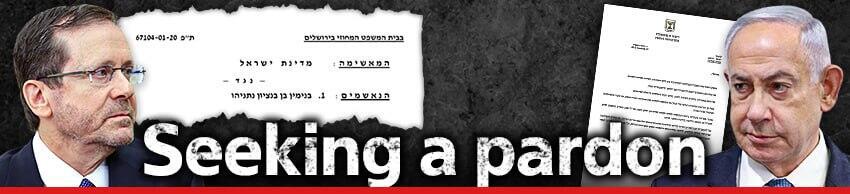
Prime Minister Benjamin Netanyahu dropped a bombshell Sunday by submitting an official request for a pardon to President Isaac Herzog, triggering a political and legal earthquake. In doing so, Netanyahu joined a long line of global leaders who have sought or received clemency after legal entanglements: some returned to power, others vanished from the public scene — but all became symbols in the struggle between the institutions of government and the power of politicians. Here are the most notable cases:
Gallery
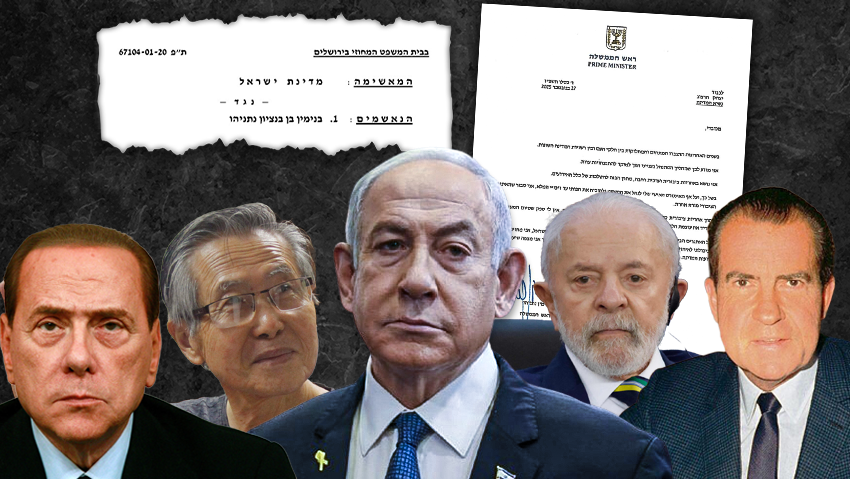
Benjamin Netanyahu is not the first country leader to seek a pardon
(Photos: AP, Ludovic Marin/AFP, Reuters)
The pardon that changed America
Richard Nixon is considered one of the United States’ most experienced and formidable presidents. He began his career in the Senate, served as vice president, and was elected president in 1968 promising to restore stability during the Vietnam War. In 1974, the Watergate scandal exploded, after a tape was revealed containing decisive evidence of his involvement in a break‑in at the Democratic Party headquarters, a broad eavesdropping network, obstruction of justice, and misuse of state institutions against his rivals. Nixon denied the accusations — but the tapes exposed widespread cover‑ups.
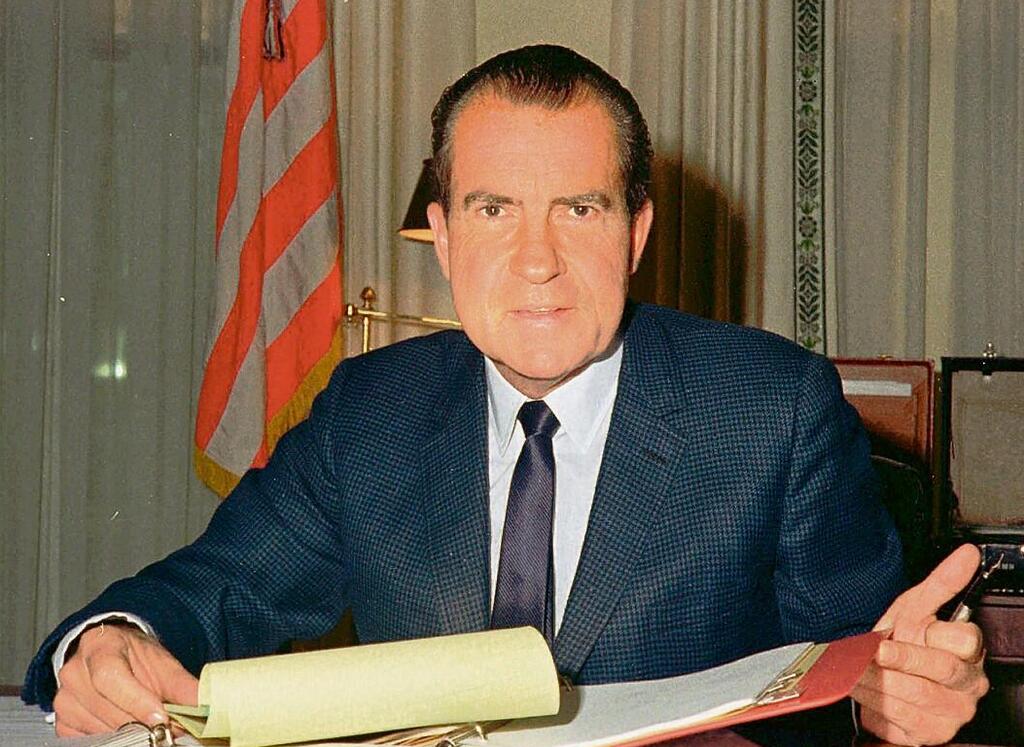
US President Richard Nixon resigned over Watergate, and then was pardoned by President Gerald Ford
(Photo: AP)
He resigned in 1974, becoming the only U.S. president in history to resign from office. His successor, Gerald Ford, immediately granted him a full pardon for any federal crime he might have committed. Ford said he wanted to “end the national nightmare,” though critics then — and many historians since — argue there was an unwritten political agreement between the two. Ford understood that pardoning Nixon could end his own political career — and indeed, he lost the election in 1976.
Public outrage in America was immense. Trust in government plunged to a historic low — and Nixon’s pardon became a central precedent in every future debate over prosecuting a sitting president, especially since Donald Trump entered the White House in 2017.
The president who walked out of jail and back to the presidential palace
Luiz Inácio Lula da Silva — known as Lula — became a symbol of Brazil’s working class, rising from extreme poverty to metal‑works laborer, union leader, and eventually a populist president with strong social policies. His presidency was effective, but it was also entangled in widespread political corruption. In 2017, he was convicted in the Lava Jato (“Car Wash”) corruption scandal — one of the largest in history — on charges of bribery and illicit enrichment, and sentenced to 12 years in prison.
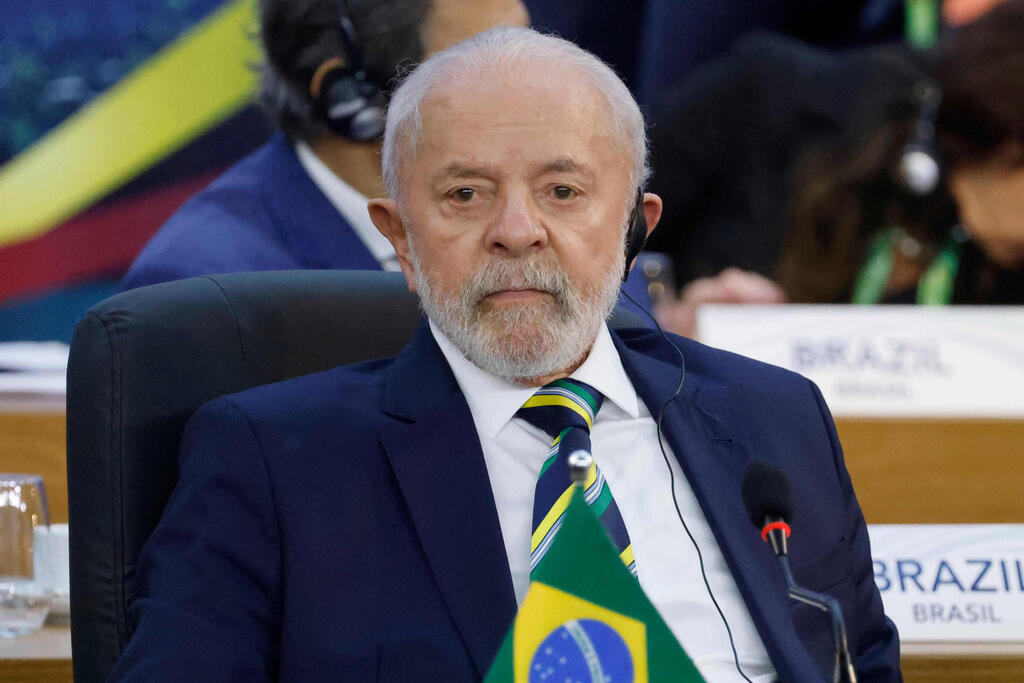
Luiz Inácio Lula da Silva
(Photo: Ludovic Marin / AFP)
But in 2021, Brazil’s Supreme Court annulled all his convictions, ruling that the judge who oversaw the case, Sergio Moro, acted with political bias. That ruling cleared the path for Lula’s return to politics — and he was swept back into power by overwhelming public support. In 2022 he won the presidency again, deepening Brazil’s right‑left divide. Public trust in the judiciary collapsed among many, and Lula became a polarizing iconic figure.
Just last week, the previous president of Brazil, Jair Bolsonaro — who lost to Lula — was sentenced to 27 years in prison after being convicted for plotting a coup.
Pardoned for war crimes — for 'humanitarian reasons'
Alberto Fujimori ruled Peru throughout the 1990s, leading a brutal war on terrorism and maintaining hardline governance. His regime was also responsible for torture, disappearances and massive corruption scandals. In March 2003, an international arrest warrant was issued for him; in 2005, he was detained in Chile. Extradited to Peru in 2007, he stood trial and was convicted of crimes against humanity, including responsibility for civilian massacres — and was sentenced to 25 years in prison.
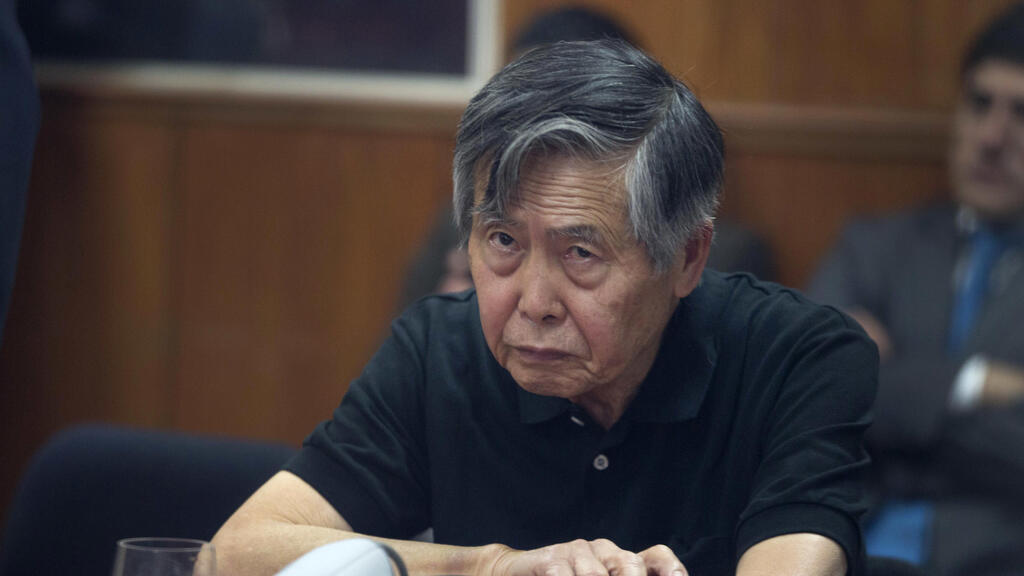
Alberto Fujimori ruled Peru throughout the 1990s
(Photo: AP)
Yet, in 2017, the then‑president, Pedro Pablo Kuczynski, granted Fujimori a pardon on “humanitarian grounds” due to health concerns. The move was highly controversial — critics saw it as a political deal, as Kuczynski relied on support from Fujimori’s daughter’s party to survive a no‑confidence vote. The pardon was initially overturned, but reinstated in 2022, and Fujimori was released.
The billionaire returned after 15 years in exile
Thaksin Shinawatra, a media tycoon turned Thai prime minister in 2001, represented populist policies and challenged the conservative monarchy and military establishment. In 2006 a military coup forced him into exile abroad, and he was later convicted on multiple corruption charges, receiving an eight‑year sentence.
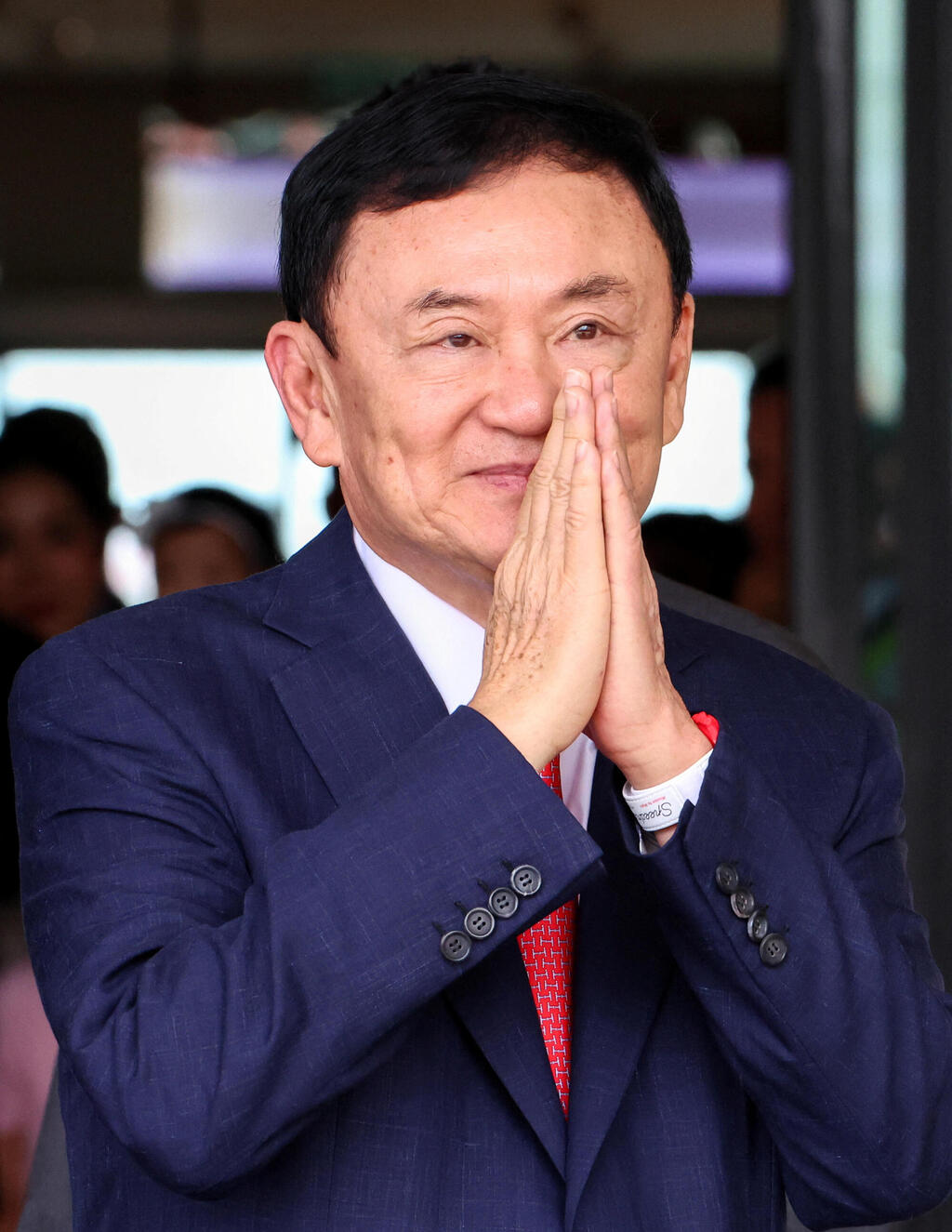
Thaksin Shinawatra, a media tycoon turned Thai prime minister in 2001
(Photo: Athit Perawongmetha/Reuters)
In 2023 — after 15 years in exile — he returned to Thailand, where Bangkok’s streets were filled with supporters. Within days, he received a royal pardon that reduced his sentence to just one year. Many viewed it as a political bargain between his party and the military, in hopes of easing generational divides. Since then, Thailand has entered a new era of elite compromise — but without true stability.
Court verdicts could not stop this prime minister
Silvio Berlusconi, media tycoon, billionaire and three‑term prime minister of Italy, stood throughout much of his career under dozens of investigations: fraud, bribery, perjury, the notorious “bunga‑bunga” scandal, and more. Most of those cases were dropped or dismissed — but one, the “tax case,” stuck. An Italian court in Milan convicted him of massive tax fraud tied to TV content purchases, sentencing him to four years’ imprisonment and barring him from public office for two years.
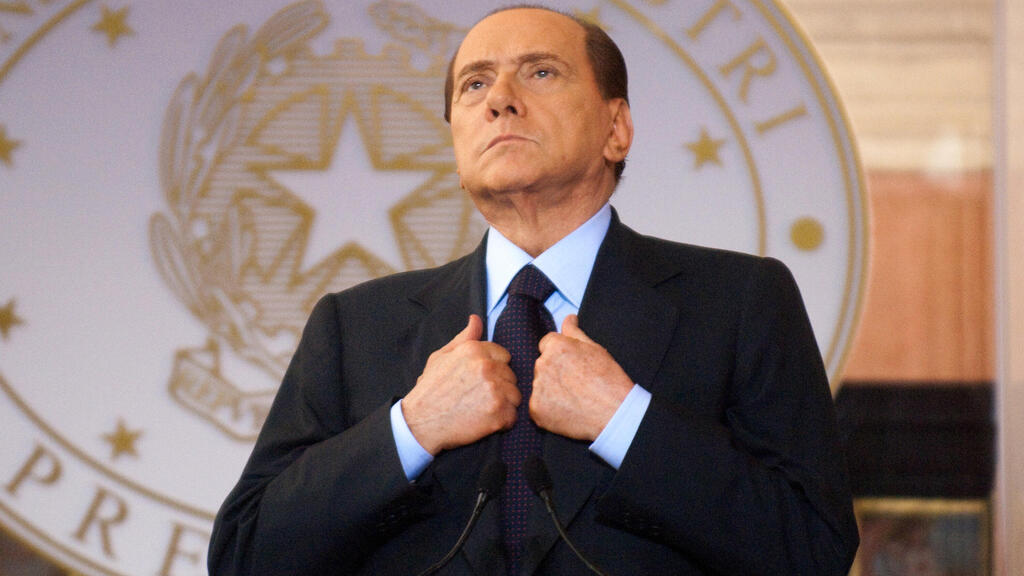
Silvio Berlusconi
(Photo: Giorgio Cosulich/Getty Images)
That’s when the political‑legal maneuvering began. Under Italian law, because Berlusconi was over 70 and had no prior criminal record, his sentence was commuted to one year’s community service at a retirement home — four hours per week. Concurrently, he continued to lead an entire political party. In practice, the public viewed this as a graceful and total pardon. Italians saw it as evidence of elite power and a failure of the legal system to hold a wealthy and powerful man accountable.
The president who was sentenced — but never spent a day in jail
Carlos Menem served as president of Argentina throughout the 1990s and was regarded as a charismatic, popular leader. His name was tied to corruption scandals and weapons smuggling. Years after leaving office, in 2013 he was convicted and sentenced to seven years in prison.
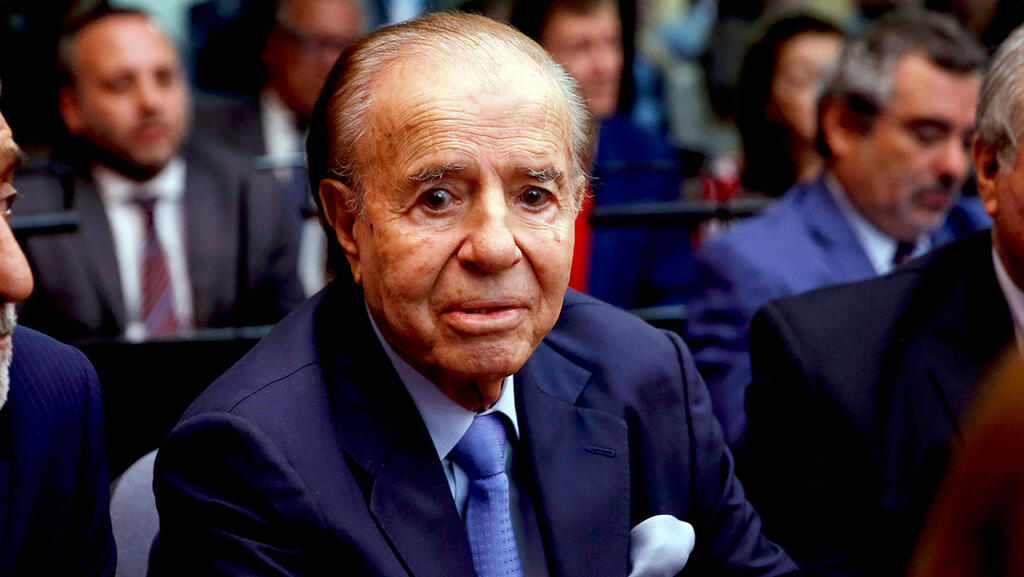
Carlos Menem was a prime mInister of rgentina
(צילום: AP)
Nonetheless, Menem never spent a day behind bars, because at the time he was serving as a senator. His senatorial status granted him parliamentary immunity. To imprison him, the legislature had to strip his immunity, but thanks to ongoing political alliances and shifting interests, they repeatedly refused. In other words: the judicial mechanism did its job but the political mechanism nullified it. Many Argentines still view Menem as emblematic of a system in which the elite are protected while ordinary citizens pay the price.
The prime minister who is always ousted and always returns
Nawaz Sharif served as prime minister of Pakistan across three different terms over 27 years, each time being ousted by either the army or the Supreme Court. The struggle between his family and the military establishment is at the core of Pakistani politics.
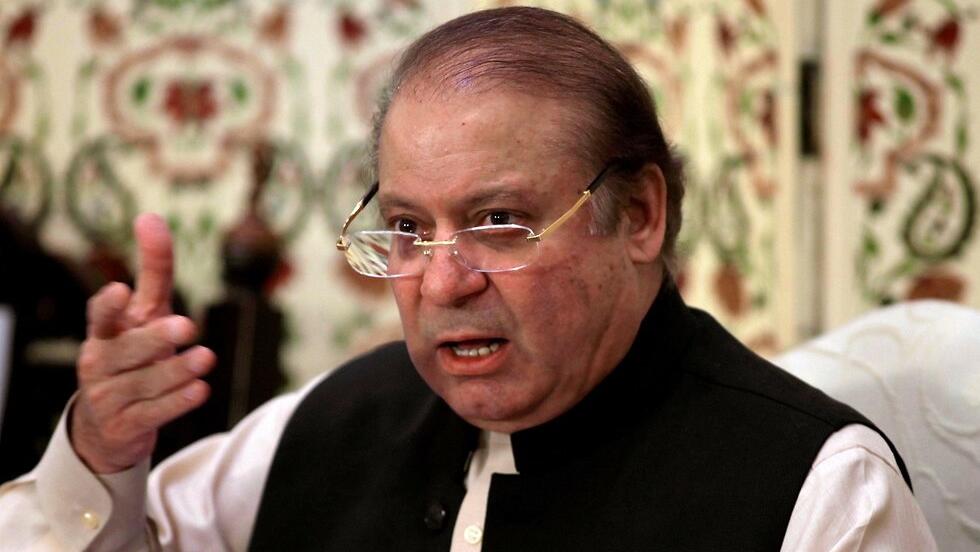
Nawaz Sharif served as prime minister of Pakistan across three different terms over 27 years
(Photo: AP)
In 2017, courts annulled his premiership and convicted him in the Panama Papers corruption scandal — sentencing him to 10 years in prison while he was abroad for medical treatment. During his exile he became a vocal opponent of the military–state establishment. In 2023 he returned to Pakistan, and the courts surprisingly annulled his disqualification, reduced his sentence, and cleared his convictions — widely interpreted as a political pardon designed to balance the power of his rival, former Prime Minister Imran Khan, who has been jailed since 2023 on various charges.
From prison to premiership after decades of persecution
Anwar Ibrahim of Malaysia was once considered one of Southeast Asia’s most promising politicians. In the 1990s he served as Finance Minister and Deputy Prime Minister under Malaysia’s controversial longtime leader, Mahathir Mohamad. During the 1997 Asian financial crisis, Anwar opposed Mahathir’s economic policies. Their conflict turned personal — and suddenly Anwar was charged with sodomy, corruption and abuse of power. Many saw the charges as politically motivated. He was arrested, tortured, tried and sentenced to nine years in prison.
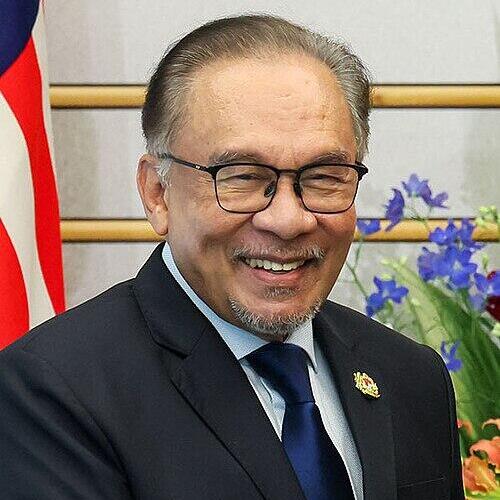
Anwar Ibrahim of Malaysia
(Photo: AP)
In 2004 he was released when a federal court dismissed the bulk of charges, and he immediately became leader of the opposition — a symbol of resistance against corruption and the old regime. In 2012 he was acquitted in a renewed sex‑related case, but in 2015 faced similar charges and again went to prison. In 2018 — after a major political turnaround — he received a full royal pardon and was freed. In 2022, more than 20 years after the start of his legal ordeal, Anwar became prime Mminister of Malaysia.