

U.S. President Donald Trump has formally approved the execution by firing squad of Nidal Malik Hasan, the former U.S. Army psychiatrist who went on a shooting rampage at Fort Hood, Texas, in 2009, killing 13 people. Hasan’s execution would be the first carried out by the U.S. military itself, rather than the civilian justice system, since 1961.
The Pentagon said Defense Secretary Pete Hegseth recommended the death sentence be carried out by firing squad and Trump approved the recommendation. The date and location of the execution will be determined later. “Hasan’s day of reckoning has finally arrived,” the statement said.
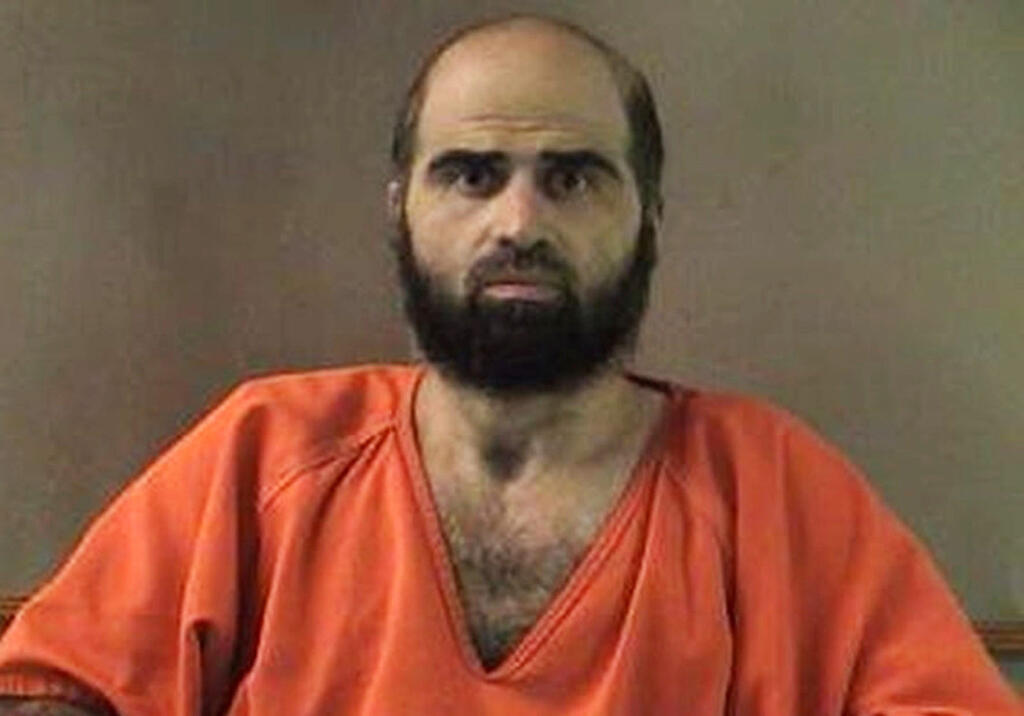
Hasan, a U.S.-born Muslim of Palestinian descent, carried out the attack on Nov. 5, 2009. He entered a clinic at the sprawling military base, which at the time served as a staging point for troops preparing for deployment to combat zones in Iraq and Afghanistan, then pulled out two handguns and several magazines he had prepared in advance and opened fire on soldiers waiting for medical examinations and vaccinations while shouting “Allahu Akbar.”
The massacre was the deadliest shooting at a U.S. military installation in the country’s history. Hasan killed 13 people, including 12 soldiers, and wounded another 32, almost all of them service members. A civilian police officer responding to the attack eventually shot and incapacitated him, leaving Hasan paralyzed from the waist down.
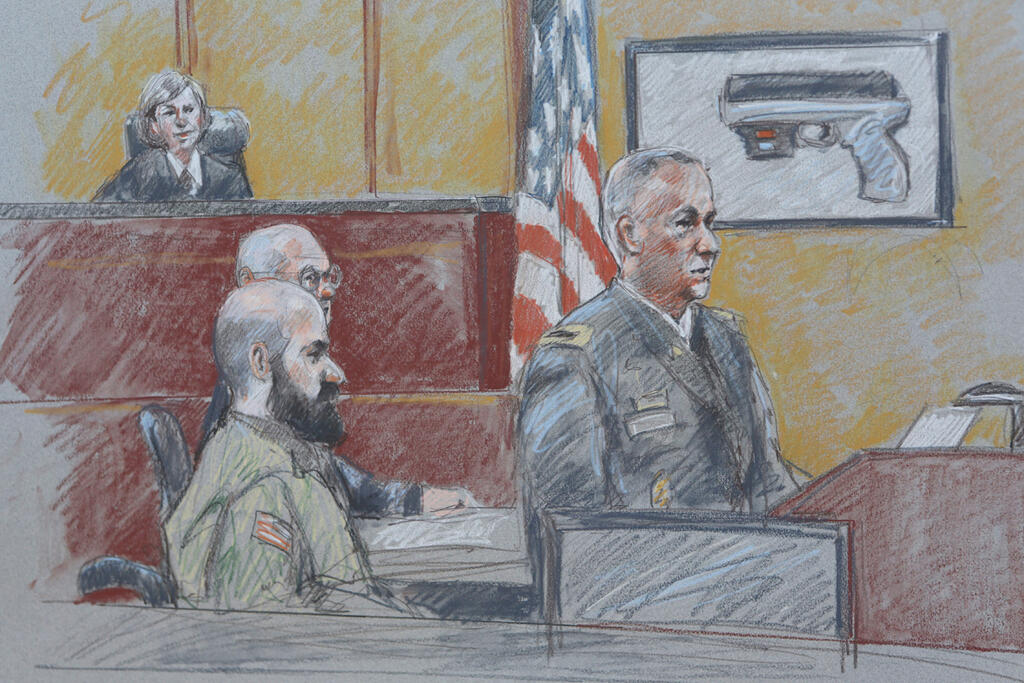
Illustration of a trial hearing
(Photo: AP)
Hasan, now 56, was born in the United States to Palestinian parents who had immigrated from the West Bank. His mother came from the town of al-Bireh. Years before the attack, Hasan himself visited the West Bank and remained in contact with relatives there. At the time, reports said his family owned several apartments in Ramallah and that one of his brothers had moved from the United States to the West Bank.
The investigation and trial that followed the attack found that Hasan had carried out the terrorist attack under the inspiration of the global jihadist group al-Qaida, after he said he had “switched sides” in what he called “America’s war against Islam.”
Hasan said he carried out the attack because he opposed the U.S. presence in Iraq and Afghanistan and wanted to prevent the military from sending troops there who would kill his Muslim brothers, including Taliban leaders.
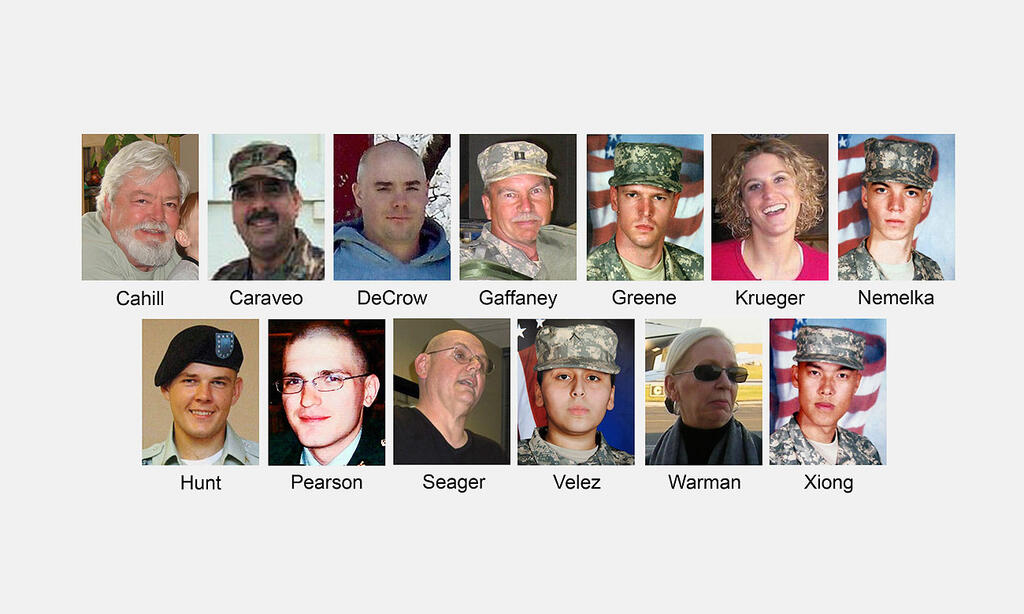
Nidal Hasan's 13 victims
(Photo: AP)
Before the attack, he had been in contact with radical cleric and notorious terrorist Anwar al-Awlaki, a U.S. citizen affiliated with al-Qaida who was regarded as a “spiritual mentor” to prominent terrorists and was later killed in a U.S. drone strike in Yemen.
Hasan was sentenced to death by a military jury in 2013, after a trial in which he chose to represent himself and refused to call witnesses or deny the charges against him. Court-appointed defense attorneys said at the time they feared he was deliberately seeking his own execution.
Hasan is now expected to become only the second person since 2010 to be executed by firing squad. Three other inmates are being held on death row in the U.S. military justice system and could also face a similar fate.
Since 1608, at least 144 civilian prisoners have been executed by shooting in what is now the United States, almost all of them in Utah. However, only four such executions have been carried out since 1977, the year capital punishment resumed after a decade-long suspension.
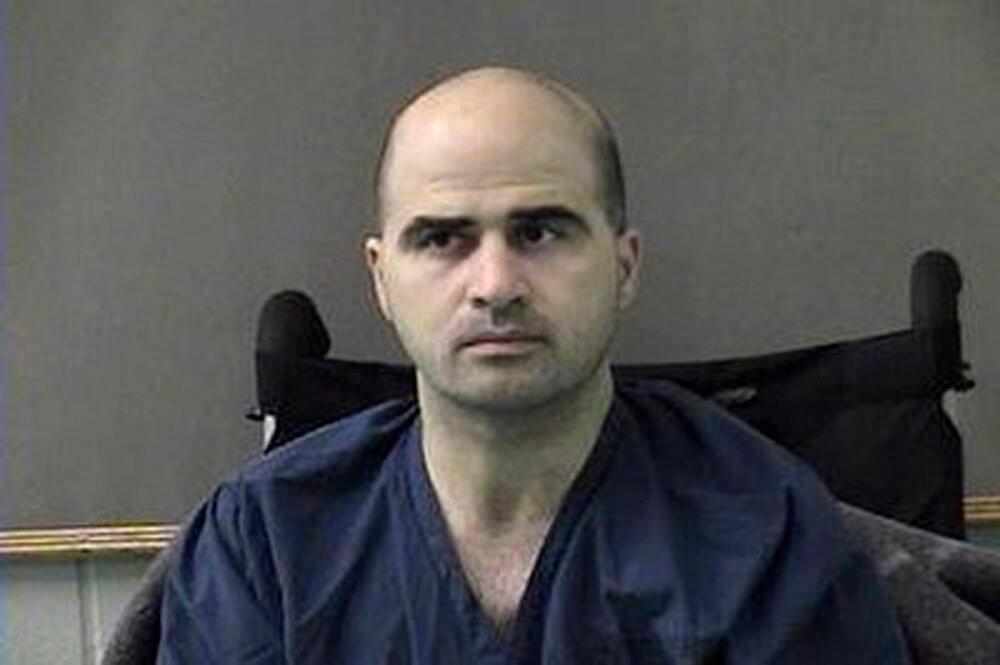
He shouted 'Allahu Akbar' when he pulled out the gun
(Photo: AFP)
The most recent civilian execution by firing squad took place last year, when South Carolina carried out the death sentence of Brad Sigmon, who murdered the parents of his former girlfriend with a baseball bat.
This year, the U.S. Justice Department announced that it would allow executions by firing squad in an effort to increase the pace of executions for death row inmates.
In many U.S. death penalty cases, executions are delayed for years and sometimes decades through appeals or legal challenges over the planned method of execution and its effectiveness.
Just last week, controversy erupted after an attempt to execute convicted murderer Christa Pike in Tennessee failed when two lethal injections did not kill her and apparently caused her severe suffering. Pike’s lawyers had warned in advance that the injections might fail and even proposed that she be hanged instead.
At the state, nonfederal level, only five U.S. states currently allow execution by firing squad, all of them reliably Republican: Idaho, Mississippi, Oklahoma, South Carolina and Utah.