

Clashes between the Syrian Democratic Forces (SDF), a predominantly Kurdish militia, and Syrian government forces continued on Saturday.
While fighting in recent days has been concentrated in various parts of Aleppo province in the northwest, recent reports indicate that the heaviest fighting has shifted to areas in Raqqa province, with no stable resolution to the tensions yet in sight.
Gallery
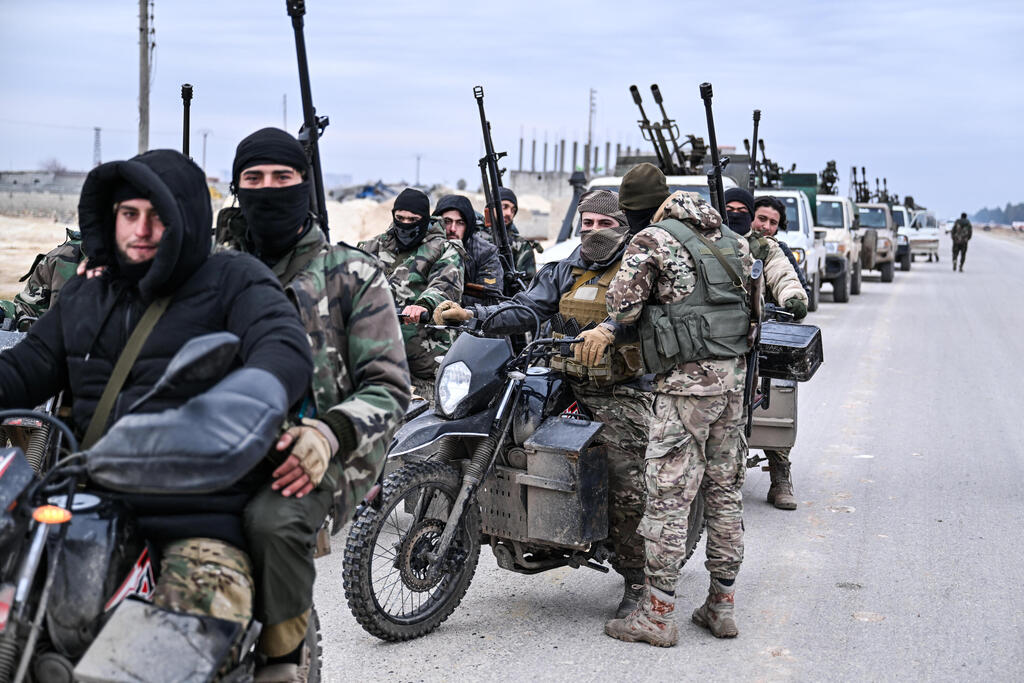
Clashes between the Syrian Democratic Forces (SDF) and Syrian government forces in Aleppo province
(Photo: Abdulmonam Eassa/Getty Images)
The latest developments followed a video message released Friday by Syrian President Ahmad al-Sharaa addressed to the country’s Kurdish population. “Beware of believing the narrative that we want harm for the Kurdish people. Whoever harms you will be our enemy until the Day of Judgment,” al Sharaa said in the video. The Syrian presidency also issued a decree affirming that Kurdish citizens are an integral part of the Syrian people.
However, the predominantly Kurdish Democratic Autonomous Administration of North and East Syria issued a statement Saturday opposing the presidential decree. The statement stressed that “the presidential decree regarding Kurdish rights does not meet the aspirations of the Syrian people. Rights are not preserved by temporary decrees but are protected and anchored through permanent constitutions that reflect the will of the Syrian people.”
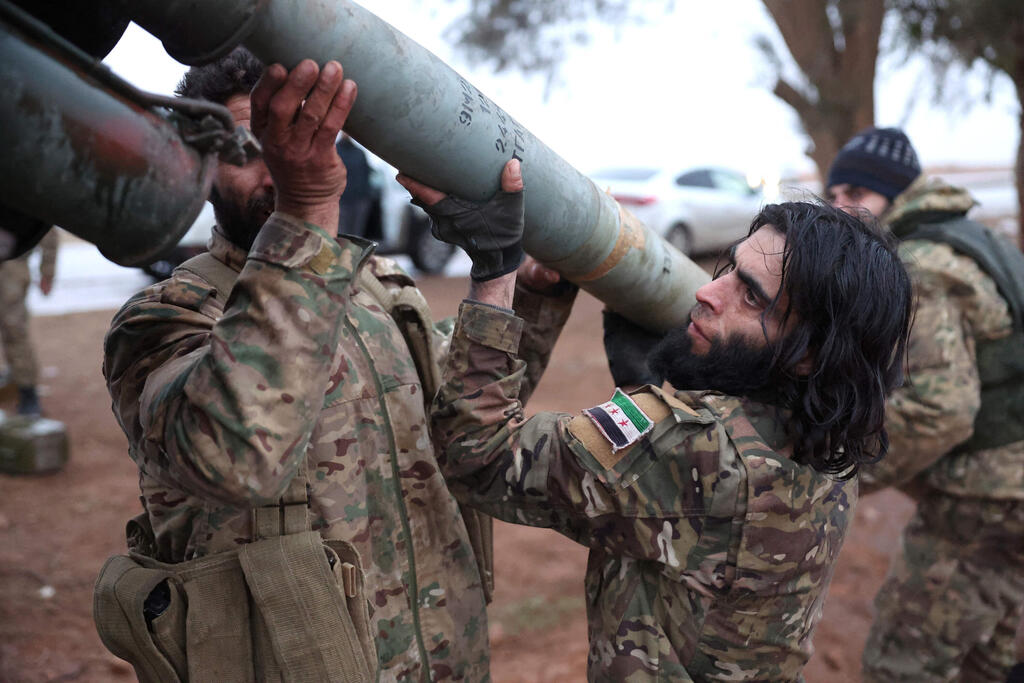
(Photo: OMAR HAJ KADOUR / AFP)
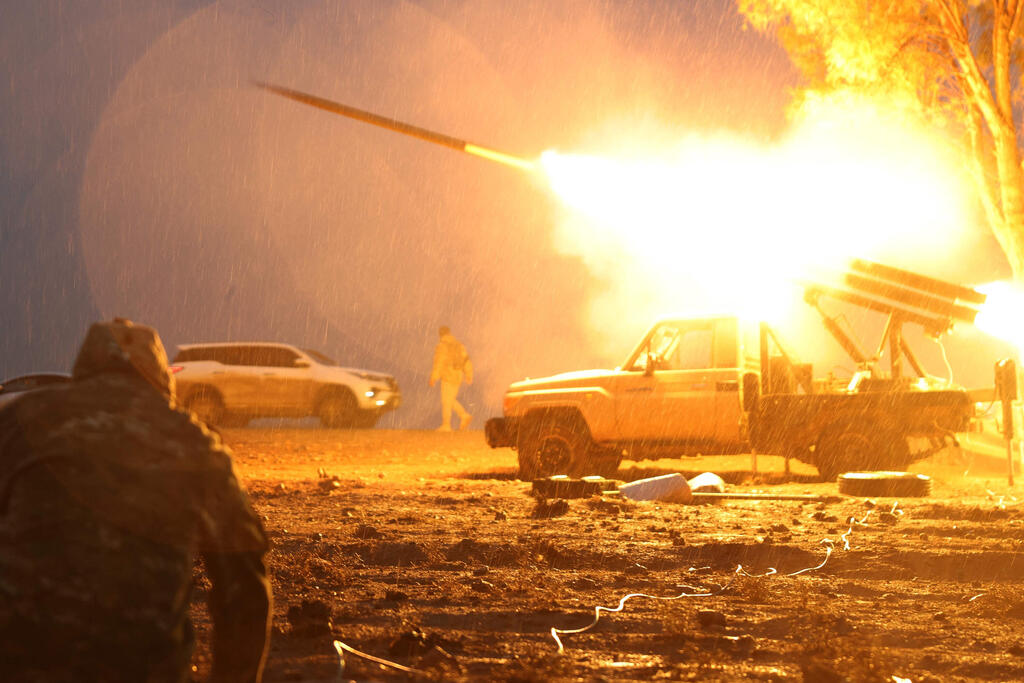
(Photo: OMAR HAJ KADOUR / AFP)
Throughout the day, various Syrian media channels — both regime-aligned and independent — published videos and images of fighting between the two sides. The Syrian government claims it is targeting SDF sites that it says host fighters affiliated with the Kurdistan Workers’ Party (PKK), as well as activists who support the regime of former president Bashar Assad.
The SDF, for its part, accuses Damascus of spreading falsehoods, including claims that foreign fighters are present in their ranks, calling it “a deliberate campaign with messages aimed at damaging the reputation of the forces.”
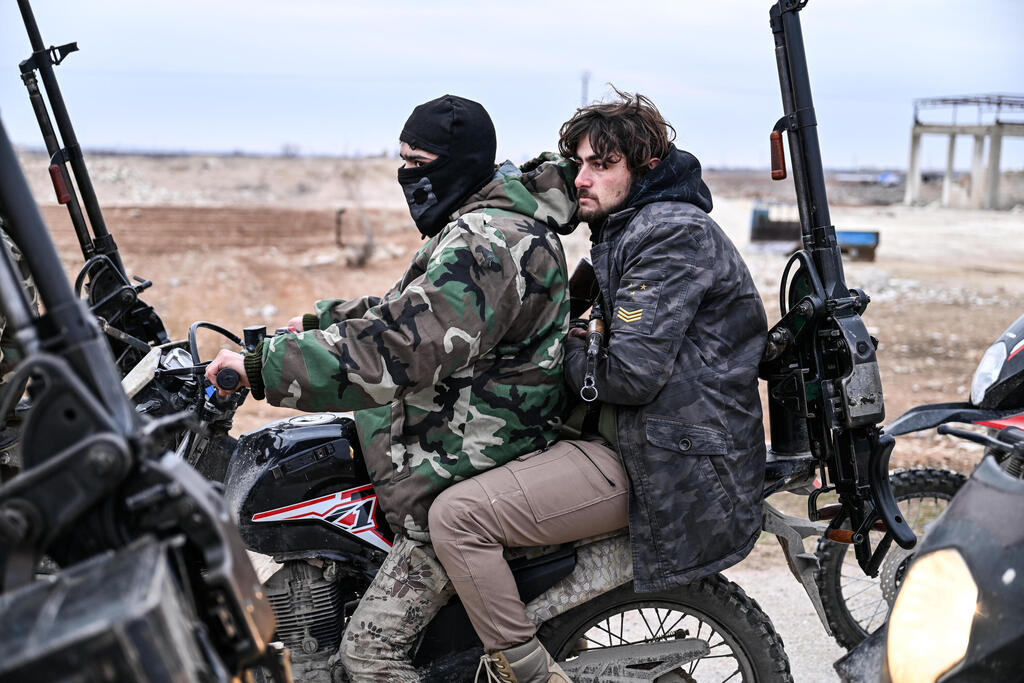
(Photo: Abdulmonam Eassa/Getty Images)
This pattern has characterized the past week as well: the Syrian regime issues official statements about developments along various battlefronts, while SDF forces release contradictory reports. Every time it appears tensions might be easing, fresh reports emerge of violations and the fighting continues.
Reports Saturday morning said SDF forces withdrew from the eastern rural areas of Aleppo, and Arab media outlets reported that Syrian government troops advanced into the region. The pullback followed a statement late Friday by SDF commander Mazloum Abdi, in which he announced the planned move. In his message, Abdi said the decision to withdraw was made in response to calls from friendly states and mediators, and described it as a “gesture of goodwill” in fulfillment of integration and the implementation of an agreement reached with the Syrian government last March.
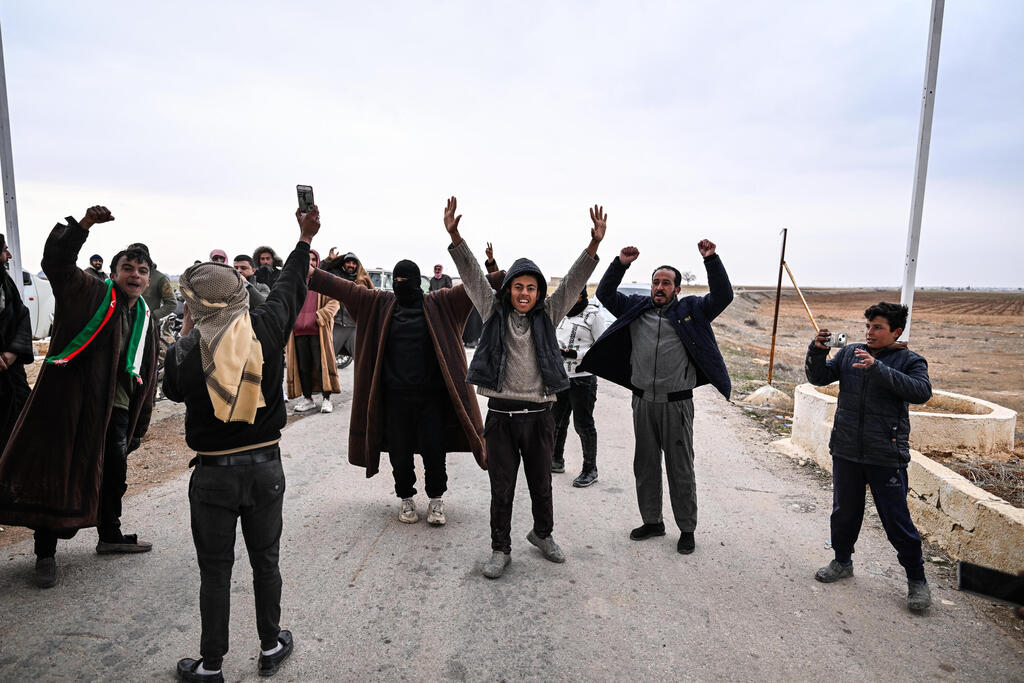
(Photo: Abdulmonam Eassa/Getty Images)
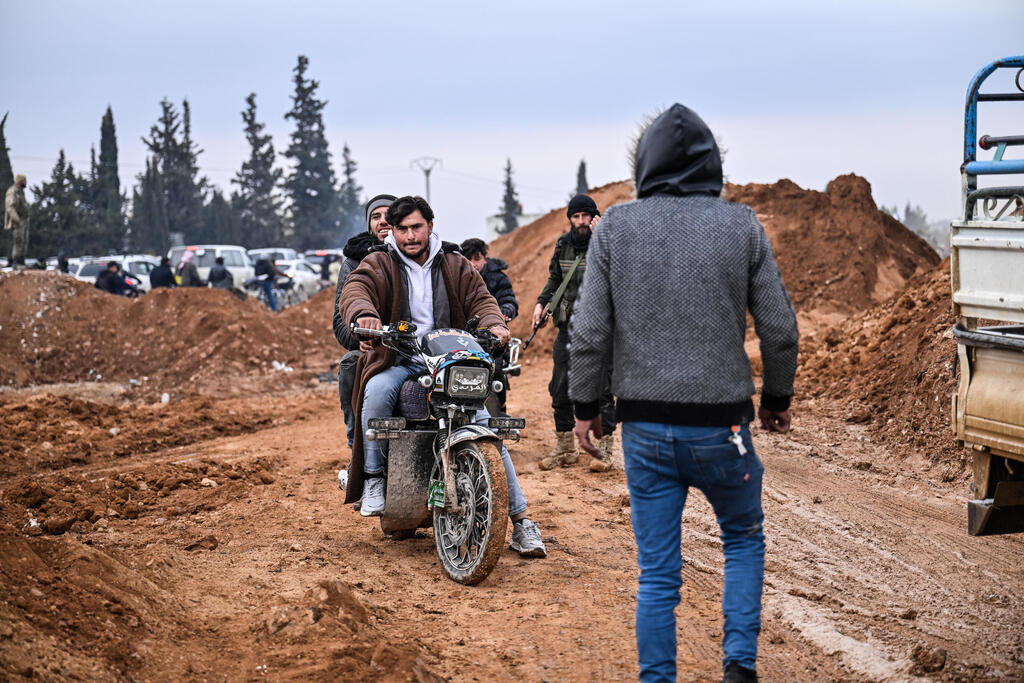
(Photo: Abdulmonam Eassa/Getty Images)
However, the morning’s move did not go smoothly. The SDF said that although it had agreed that Syrian government forces would enter the Deir Hafer and Maskaneh areas of the Aleppo countryside only after SDF fighters completed their withdrawal, Damascus violated the terms by entering towns before the pullback was finished. The SDF said this created a “very dangerous situation with serious consequences.”
The SDF also appealed to “the international powers involved in the agreement to urgently intervene to ensure its implementation and prevent further escalation,” saying some of its fighters remain besieged in the Deir Hafer and Maskaneh areas.
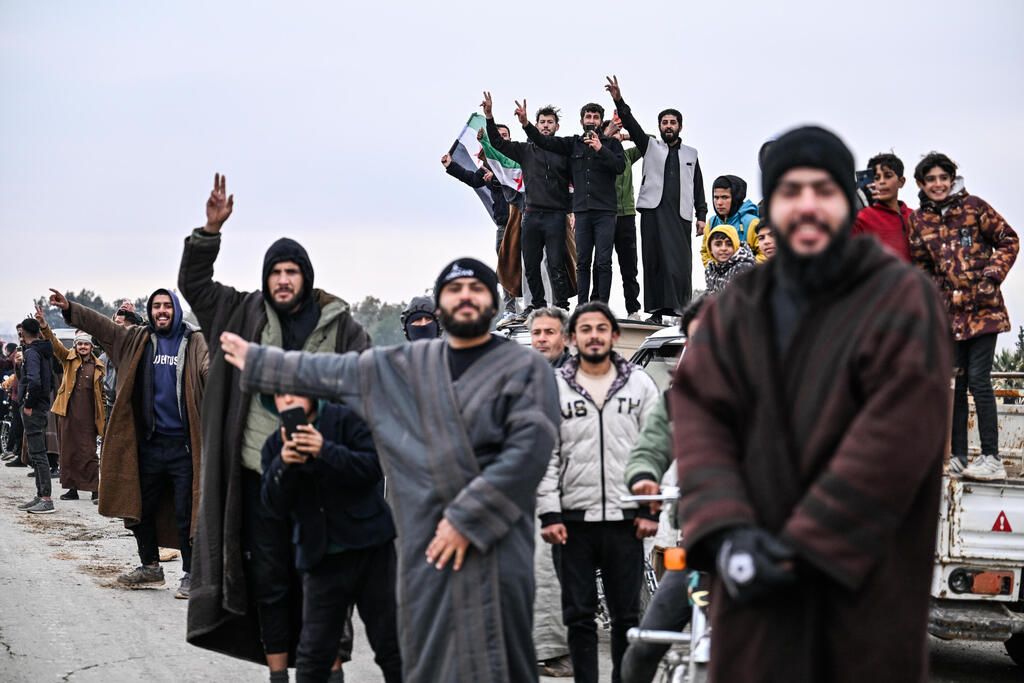
(Photo: Abdulmonam Eassa/Getty Images)
Fighting was also reported throughout the day, particularly in the Raqqa governorate. The Syrian Defense Ministry said it had declared the area west of the Euphrates a closed military zone after PKK units attacked government forces. The statement urged civilians in the area “west of the Euphrates” to move away from PKK and SDF positions immediately.
The ministry also claimed that PKK fighters used explosive drones in an attack on Syrian government troops in the village of Dibsi Afnan in the western Raqqa countryside, killing two soldiers.
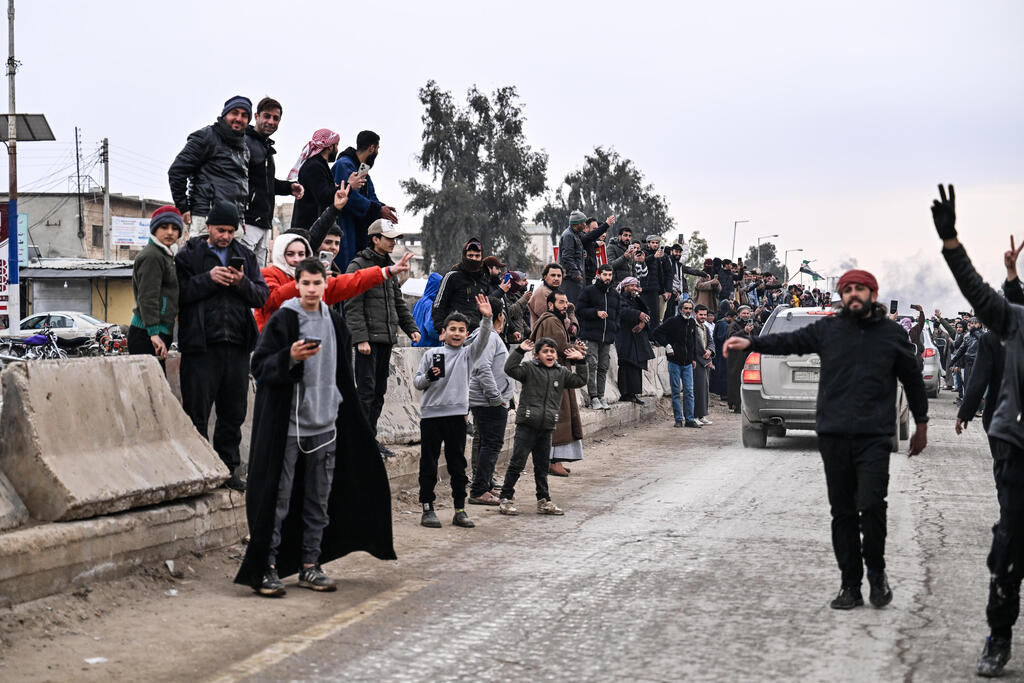
(Photo: Abdulmonam Eassa/Getty Images)
A Syrian military source told Al Jazeera Saturday that government forces had launched a broad offensive in the eastern Raqqa countryside, targeting SDF positions in the villages of Ratlah and Ghanem al-Ali. The Syrian army also issued evacuation warnings for parts of the city of Tabqa, also in Raqqa.
Separately, Arab media reported on a meeting in Erbil, the capital of Iraq’s Kurdistan Region, between U.S. special envoy to Syria Thomas Barrack and Iraqi Kurdish leader Massoud Barzani. According to some Arab channels, SDF commander Abdi also took part in one of the sessions. The meetings were said to “emphasize the importance of resolving Syria’s problems through peaceful means.”