

Countries around the world condemned the United States on Friday over its decision to impose sanctions on the International Criminal Court (ICC) in The Hague, expressing concern about the consequences while reaffirming their support for the tribunal and pledging to ensure it can continue operating despite the restrictions imposed by Washington.
The ICC itself strongly condemned the move, rejecting the sanctions and urging its member states to take steps to safeguard its operations. In a statement, the court described the measures as an attempt to obstruct justice and prevent it from fulfilling its mandate.
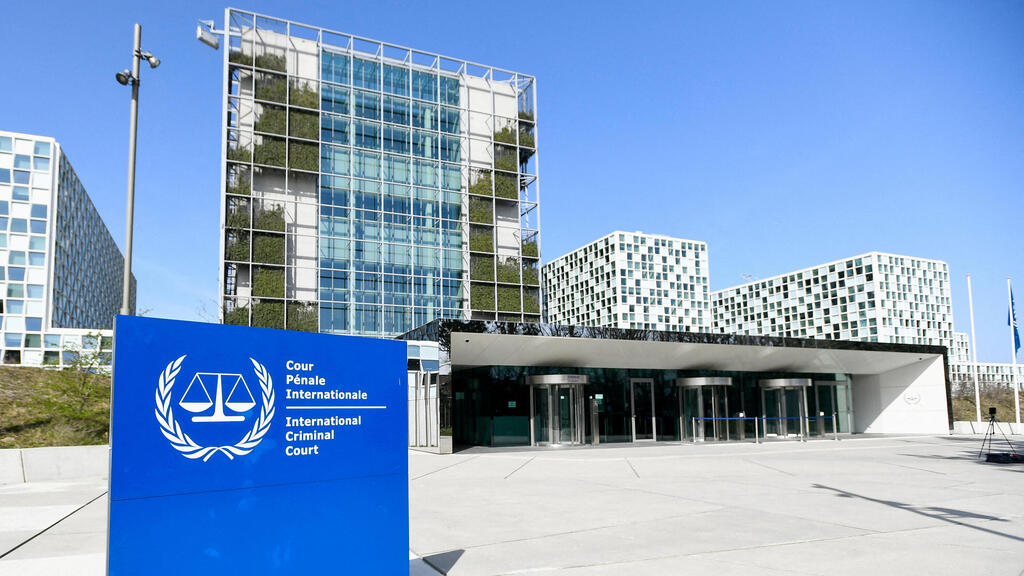
"This is an attempt to obstruct the course of justice and to prevent the Court from doing what it was created to do," the statement said. "It is an assault on the rule of law and on the very foundations of the international legal order."
The court stressed that it would continue fulfilling its mandate to prosecute individuals accused of war crimes, crimes against humanity, genocide and the crime of aggression when national authorities are unwilling or unable to do so.
"The Court cannot stand alone. Its fate now rests also in the hands of the States that created it," the statement said, warning that the dispute extended far beyond the future of a single institution.
The ICC said the international community now faced a test of its commitment to the legal order it had established. "History will judge this moment," it warned.
The American sanctions target the court, which was established under the Rome Statute, as an institution. They include freezing its assets and property interests under U.S. jurisdiction and restricting transactions involving those assets by American individuals and companies or through the U.S. financial system.
Although the designation was announced Friday, a series of licenses issued by the U.S. Treasury Department will allow certain transactions and routine operations to continue for 180 days, delaying much of the practical impact of the restrictions.
Secretary of State Marco Rubio, who sharply criticized the court and threatened to dismantle it, also signaled that Washington was leaving room for negotiations.
"Either the ICC will end its threats, or we will end the ICC," Rubio warned, accusing the tribunal of exceeding its authority and threatening American sovereignty.
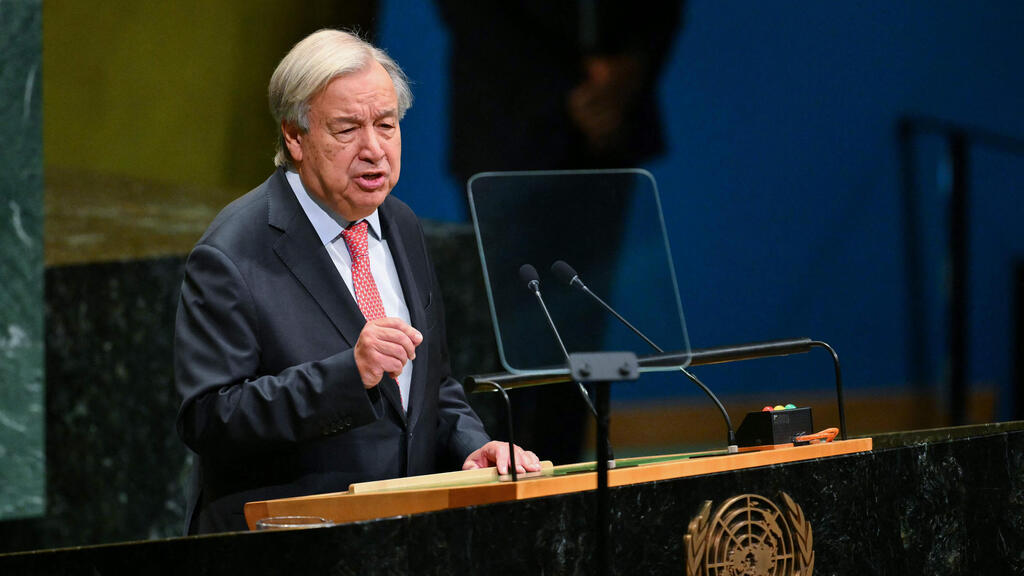
UN secretary-general: ‘Deeply concerned about the potential consequences’
(Photo: ANGELA WEISS / AFP)
At the same time, Rubio said Washington remained hopeful that a diplomatic solution could be reached. He explained that the measures had been structured to give the court's member states an opportunity to negotiate and propose a solution addressing American concerns.
"We have structured this action to provide an opportunity for States Parties to negotiate and present a solution to address our concerns," he said, warning that Washington would continue adjusting its measures if those efforts failed.
Global condemnation, deep concern and calls to protect the court
Among the strongest diplomatic responses was a joint statement issued by the foreign ministers of Canada, Denmark, Germany, France, Italy, Japan, the Netherlands and the United Kingdom.
The eight countries reaffirmed their unwavering support for the court's independence, impartiality and integrity, while warning that the American measures could have far-reaching consequences.
"If put into effect, these sanctions will have a significant impact on the Court's work, its dedicated staff and their families," the ministers said.
They emphasized that ICC employees work every day to bring people accused of the world's most serious international crimes to justice and provide support to victims.
The ministers also pledged to remain united in defending the court and to engage in constructive dialogue with countries that are not parties to the Rome Statute.
The European Union issued its own condemnation, describing the American decision as deeply regrettable and promising to work closely with the ICC to ensure it could continue operating effectively.
The European Commission said the bloc remained committed to protecting the court's independence and was prepared to take whatever measures were necessary to allow it to fulfill its mission.
Brussels also pointed to the six-month transition period as an opportunity to pursue negotiations with Washington.
"As there is a six-month delay before the measures are applicable, there is room for dialogue," the commission said.
It added that the EU was ready to take necessary steps to enable the ICC to continue investigating and prosecuting war crimes and crimes against humanity, while also protecting European businesses and other entities from the effects of the sanctions.
Belgium adopted a particularly forceful position.
Belgian Foreign Minister Maxime Prévot strongly condemned the new sanctions and urged the European Union to activate its Blocking Statute, a legal mechanism designed to protect European individuals and businesses from the extraterritorial application of certain foreign laws.
The mechanism could potentially help shield European entities from the American restrictions, allowing financial and other support for the court to continue despite Washington's measures.
If activated to cover the new sanctions, the mechanism could provide a legal basis for European entities to resist complying with specified U.S. restrictions, although its effectiveness would depend on how the protections were applied.
Prévot called for concrete European action to defend the institution and those supporting its work.
"The Court's independence cannot depend on whom it investigates," he said.
"Europe must act," he added, urging the activation of the EU Blocking Statute.
United Nations Secretary-General António Guterres also condemned the American move, expressing deep concern about its expected consequences for the ICC and its ability to carry out its responsibilities.
Guterres, whose term as UN secretary-general ends in December, warned that the sanctions could undermine the court's work, including cases referred to it by the UN Security Council and countries that are parties to the Rome Statute.
"Today's decision marks a serious blow to our collective pursuit of international criminal justice, of which the ICC is a key pillar," he said in a statement issued through his spokesperson.
Guterres emphasized that accountability for international crimes and justice for victims were essential elements of the international community's commitment to peace, security, human rights and fundamental freedoms.
He reiterated his unwavering support for the independence of the court and its officials, calling on all countries to uphold their obligations under international law and support efforts to ensure accountability for the gravest crimes.
The UN, he added, remained committed to cooperating with the ICC under the relationship agreement approved by the General Assembly on September 13, 2004.
Meanwhile, the Palestinian Authority welcomed the decision to award the 2026 Nobel Peace Prize to South African jurist Navi Pillay, who led a UN commission that concluded in a report last year that Israel had committed genocide in Gaza.
The Palestinian Foreign Ministry praised what it described as the well-deserved recognition of Pillay, commending her work defending oppressed communities.
"Throughout her distinguished career, she has sought truth and defended the rights of the oppressed in South Africa and around the world, including in Palestine, with integrity, courage and dignity," the ministry said in a statement.