

Brigadier General (Res.) Amir Avivi, founder and chairman of the Israel Defense and Security Forum, said Israel is preparing to resume military operations in Gaza once diplomatic efforts to dismantle Hamas fail, warning that the militant group is using the current lull to regroup and rearm.
In an interview, Avivi rejected characterizations of the situation in Gaza as a deadlock, describing it instead as part of a broader regional process involving the United States and moderate Sunni states.
Brig. Gen. (Res.) Amir Avivi | founder and chairman of IDSF
(Video: Lior Sharon)


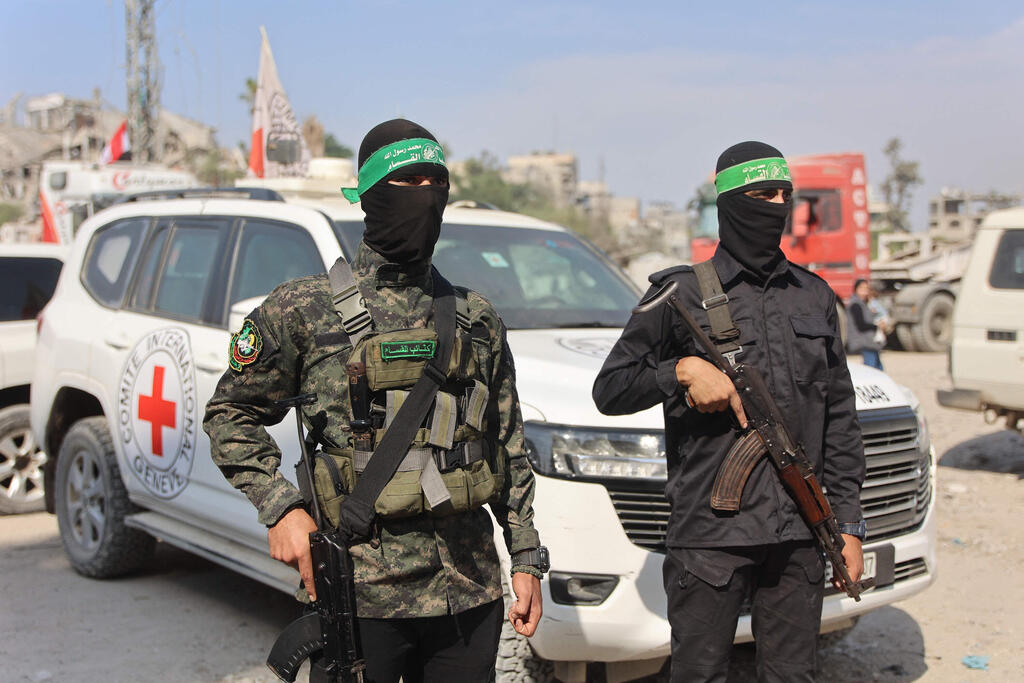
"President Trump wants to first build a coalition, then see how we dismantle Hamas," Avivi said. "I think he won't manage to dismantle Hamas diplomatically. So Israel is waiting and preparing for the moment when we'll have to go in and finish the job."
Avivi warned that time is not on Israel's side during the current pause in fighting. "Hamas is getting stronger every day that we're grouping. They're arming, they're planning attacks, they're planning to kidnap soldiers. We can't hold this situation for long," he said.
The general called for Israel and the United States to establish a deadline for diplomatic efforts, arguing that the current situation allows Hamas to strengthen while Israel focuses on other fronts including Lebanon and the Houthis.
Avivi criticized recent comments by IDF Chief of Staff Eyal Zamir suggesting Israel consider releasing 200 terrorists held in Rafah in exchange for hostages, arguing such decisions should come from the government rather than military leadership.
"Hamas was supposed to bring us all the hostages from the very beginning in the first 72 hours," Avivi said. "Why should we offer more? We need to arrest these terrorists. We need to interrogate them. We need to push more and put more pressure on Hamas."
The general expressed skepticism about Phase B of any deal, which would involve international forces disarming Hamas. "I cannot see any Arab country willing to go into Gaza when Hamas is armed to the teeth and fight Hamas and force them to disarm," he said.
Regarding Lebanon, Avivi said the United States has given the Lebanese government until December 31 to dismantle Hezbollah, but he believes the effort lacks seriousness. He said Israel has targeted 350 Hezbollah operatives since the ceasefire began, but the pace of degradation is slower than Hezbollah's rate of rebuilding.
"We will need to enhance the attacks and really move towards a reality where Hezbollah is weak enough that the Lebanese government can deal with that," Avivi said, predicting increased Israeli military action in coming weeks.
Avivi called the recent affair involving the military advocate general "devastating," noting it represents an unprecedented situation to have a major general in jail. "It's a huge blow on the IDF and on the way the public looks at the leadership of the IDF," he said.
Looking beyond immediate military fronts, Avivi identified three major challenges facing Israel. First, after winning the current war, Israel must continue degrading enemies across multiple fronts including Lebanon, Syria, Iran and Yemen. Second, internal security threats within Israel require urgent attention.
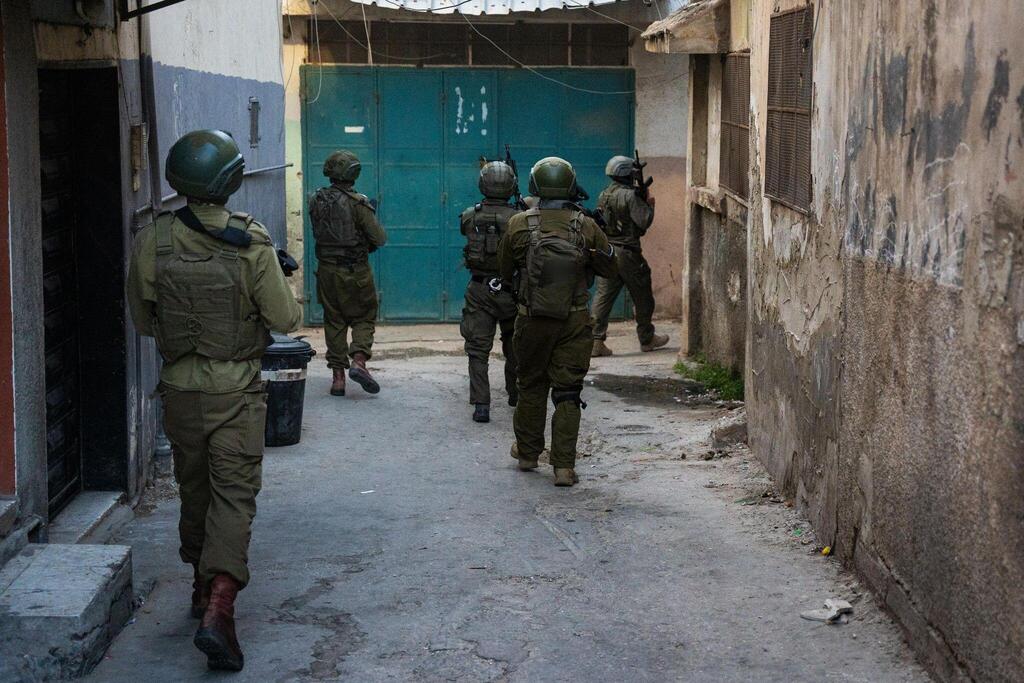
"There's no governance, there's no sovereignty, and hundreds of thousands of weapons held by citizens illegally," Avivi said, referring to the Negev, Galilee and Judea and Samaria regions. He called for shifting the center of gravity from the IDF to police and Border Patrol to address domestic security challenges.
(Photo: IDF)
Third, Avivi warned that global antisemitism represents a growing threat that Israel has not taken seriously enough. He pointed to the election of Zohran Mamdani as New York City mayor as a defining moment.
"When we look at it 10, 20 years from now, we'll say this was a defining moment in the rise of antisemitism around the world and also in the US," Avivi said. "Israel needs to prepare for massive aliyah. It needs to take much more seriously the issue of defending Jewish communities around the world."
Avivi noted that recent polls show only 2% of Israelis cite antisemitism as a top concern, with most focused on personal security and cost of living. "Our politicians cannot afford dealing just with the things that the Israeli people are bothered with," he said. "They're responsible also for the whole Jewish world and we'll have to really focus on that."
The general's comments reflect growing concerns among Israeli security officials that the current pause in major combat operations may be temporary, and that multiple security challenges both within and beyond Israel's borders require sustained attention and resources.