

More than 24 hours after the surprise US-Israeli assault on Iran began, Russian President Vladimir Putin had yet to comment publicly in his own voice on the unfolding crisis.
Putin convened Russia’s Security Council to discuss developments in Iran but made no public statement following the meeting. Earlier Sunday, he sent a personal message of condolences to Iranian President Masoud Pezeshkian over the killing of Supreme Leader Ayatollah Ali Khamenei.
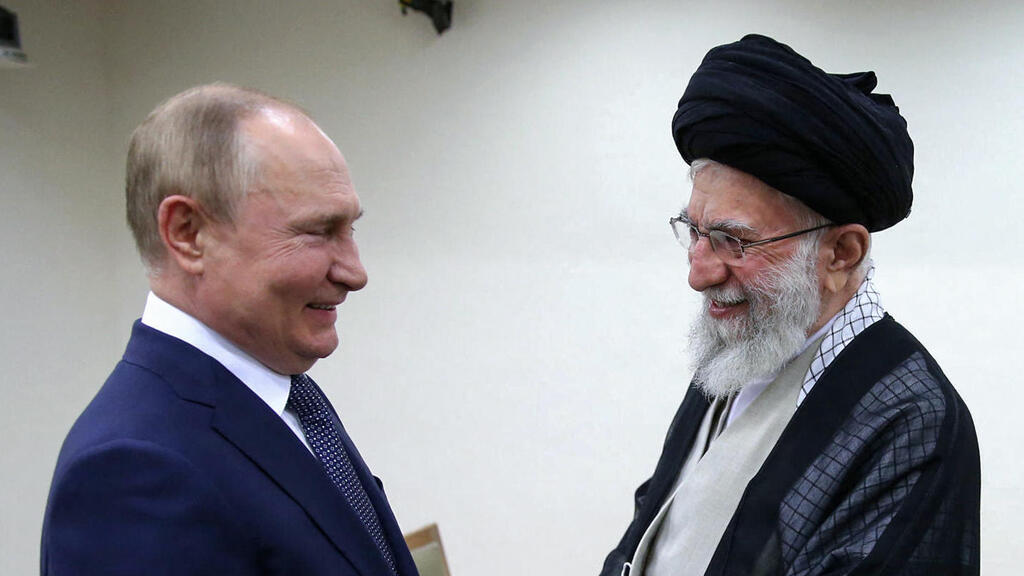
In the message, Putin described Khamenei’s killing as a “cynical violation of all norms of human morality and international law,” and called him an “outstanding statesman” who made an “enormous personal contribution” to strengthening Russian-Iranian ties and elevating them to a comprehensive strategic partnership.
Russia’s Foreign Ministry also issued a sharply worded condemnation of the US and Israeli strikes, calling them a “gross violation of international law” and warning that Washington and Tel Aviv had launched a “dangerous adventure” that could push the region toward humanitarian, economic and possibly even radiological catastrophe.
Foreign Minister Sergey Lavrov spoke with his Iranian counterpart, Abbas Araghchi, to discuss the developments.
Despite the strong rhetoric, Moscow’s view of the crisis appears ambivalent.
On one hand, the Kremlin has lost a key ally in Khamenei. Iran has been a close military partner in recent years, supplying Russia with Shahed drones during the early months of the war in Ukraine, enabling repeated strikes on Ukrainian cities. Tehran has also provided short- and medium-range ballistic missiles.
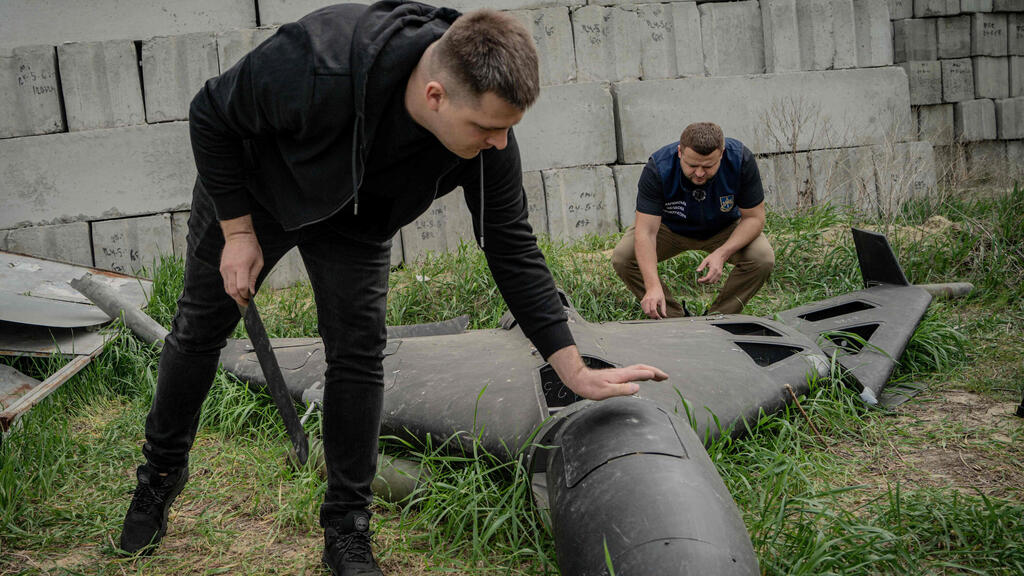
Iranian Shahed drone shot down in Ukraine
(Photo: Ivan Samoilov/ AFP)
Based on Iranian technology, Russia established its own production lines for upgraded drone models and is now manufacturing thousands each month. In January 2025, the two countries signed a strategic cooperation agreement that included security and defense components, underscoring their growing alignment.
If Iran were to collapse under military pressure or undergo regime change, it would represent a significant blow to Putin, coming little more than a year after he lost another regional ally, former Syrian President Bashar Assad.
On the other hand, prolonged conflict in the Middle East could serve Russian interests.
A sustained US military focus on Iran diverts American attention, resources and munitions from other theaters, including Ukraine. That shift could ease pressure on Russian forces and allow Moscow to intensify operations on the Ukrainian front.
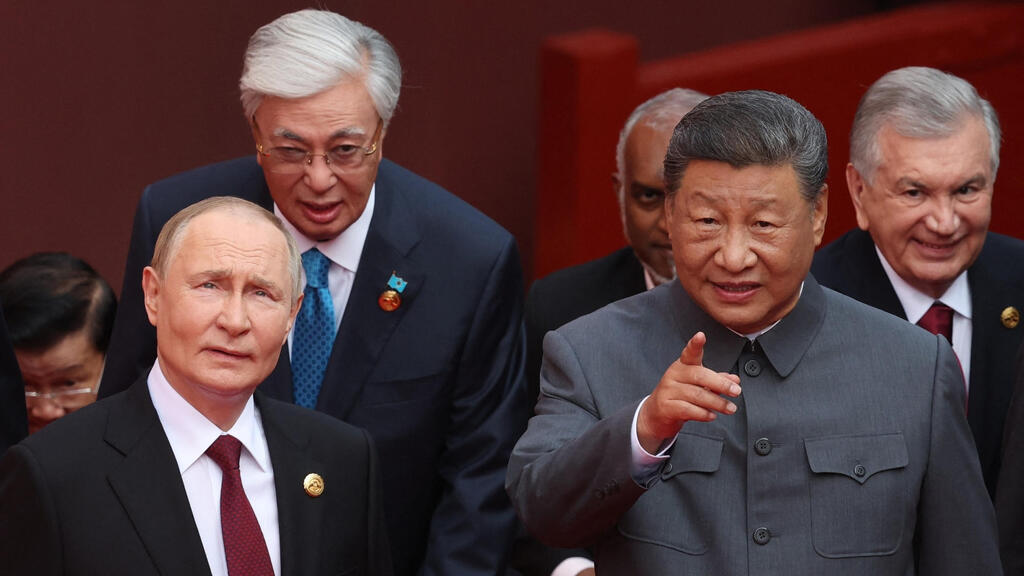
Russian President Vladimir Putin with Chinese President Xi Jinping in Beijing
(Photo: Alexander Kazakov/ AFP)
An escalation that drives up global energy prices would also benefit Russia. Between 21% and 24% of the world’s oil supply passes through the Strait of Hormuz. Any disruption to shipping there could trigger a sharp rise in oil prices, boosting Russian revenues and helping offset the impact of Western sanctions.
For China, however, the situation poses greater risks.
Beijing is the largest buyer of oil from Iran and the Persian Gulf and views any closure of the Strait of Hormuz as a direct threat to its energy security. Chinese Foreign Minister Wang Yi condemned the US and Israeli strikes and the assassination of Khamenei, but also called for an immediate ceasefire.
Stability is a core priority for Chinese President Xi Jinping. China invested significant political capital in mediating between Saudi Arabia and Iran, and Beijing fears that further escalation could jeopardize those gains. Beyond oil prices, Chinese leaders are concerned about the risk of a broader global slowdown that could damage exports and undermine domestic stability.
According to diplomatic sources, China is now working through quiet channels with Tehran to prevent a prolonged disruption of maritime traffic in the strait.
From Beijing’s perspective, the war in Iran is a crisis that must not be allowed to spiral into a global economic shock.