

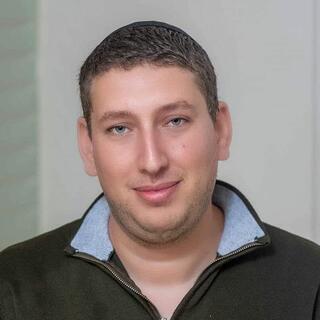
Special teams from the U.S. Army Medical Corps recently conducted a special visit to the headquarters of the IDF Military Rabbinate. Among those participating in the visit were teams from the American laboratory for identifying remains, who were exposed to the work of their Israeli counterparts.

Of the 2,753 victims of the September 11, 2001 attacks, only 1,649 (approximately 60%) have been identified to date, making it one of the deadliest terrorist attacks in world history. In contrast, following the October 7 massacre in Israel, IDF Military Rabbinate successfully identified remains of all the victims found within Israeli territory.
During the visit, the Military Rabbinate highlighted how, throughout the war, the Genomic Identification Center for Fallen Soldiers utilized advanced DNA analysis to achieve accurate and definitive identification of remains. While the Israeli workers' extensive experience that has led to the identification of hundreds of fallen soldiers, even in the most complex cases, their American counterparts visited the facility for handling remains and the laboratory, gaining insight into the scope and precision of the identification process.
Get the Ynetnews app on your smartphone: Google Play: https://bit.ly/4eJ37pE | Apple App Store: https://bit.ly/3ZL7iNv
A group discussion was also held during the visit, attended by senior figures in the identification and burial sector of the Military Rabbinate. The discussion addressed various topics related to the identification and treatment of remains, with a particular focus on medical identification procedures. The Military Rabbinate noted that this visit serves as another step in strengthening its capabilities, as it continues to learn and collaborate with counterparts in the U.S. Army.

(Photo: IDF Spokesperson's Unit)
Representatives of the U.S. Army expressed their gratitude for the visit and their admiration for the high level of expertise demonstrated by the Military Rabbinate. Professor Tim McMahon, head of the delegation, stated: "You’ve done amazing work, and I am deeply impressed by your capabilities, which are at the highest possible standards. I am eager to continue collaborating with you and learning from the experience you’ve gained during this war."