


After weeks of uncertainty and conflicting public messages, an agreement has taken shape on reopening the Rafah crossing under a new operating model: Egypt will run the crossing, a European Union mission will carry out inspections and identification, and Israel will oversee the process remotely through cameras and monitoring systems, without a physical presence on site.
A security official said departures from Gaza to Egypt will take place only after inspection and identification by the EU team, working with local Gaza personnel approved in advance by the security establishment. Oversight will be conducted from inside Israel, the official said.
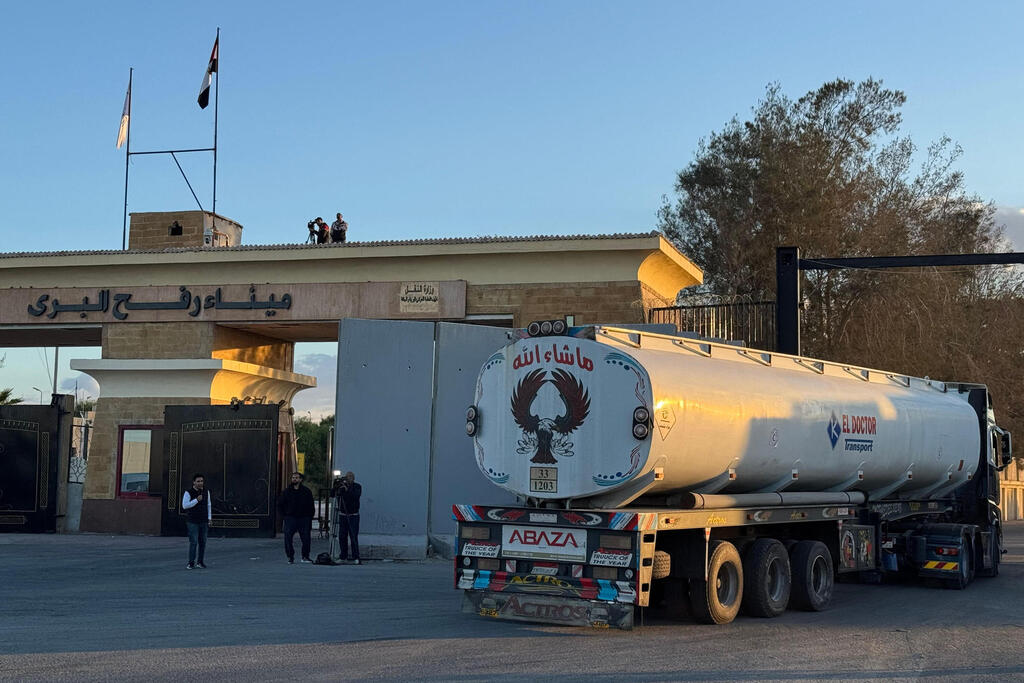
For those returning from Egypt to Gaza, screening will be carried out in two stages. The first will take place at the Rafah crossing itself by the EU delegation. A second inspection will then be conducted at a designated checkpoint inside Israeli-controlled territory, aimed at preventing smuggling and the entry of unauthorized individuals.
According to the official, all travelers using the crossing will require prior approval. Egypt will submit name lists 24 hours in advance for review, and authorities have yet to set a final daily quota for crossings.
A Palestinian source familiar with the discussions said the reopening of Rafah is closer than at any point since it was closed. The source cited recent statements by Ali Shaath, head of Gaza’s administrative committee, and said the United States has been directly involved in pushing the arrangement forward.
Egypt views the opening of Rafah for civilian movement as “a natural state of affairs, not a privilege,” the source said, adding that Cairo does not see the move as a concession. The source argued that confusion surrounding the crossing has stemmed largely from shifting positions within Israel, while Egypt and the Palestinian Authority have remained aligned.
Humanitarian organizations, travelers and investors are already preparing for the crossing to resume operations, the source said, predicting the move would be carried out quietly and in an orderly manner.
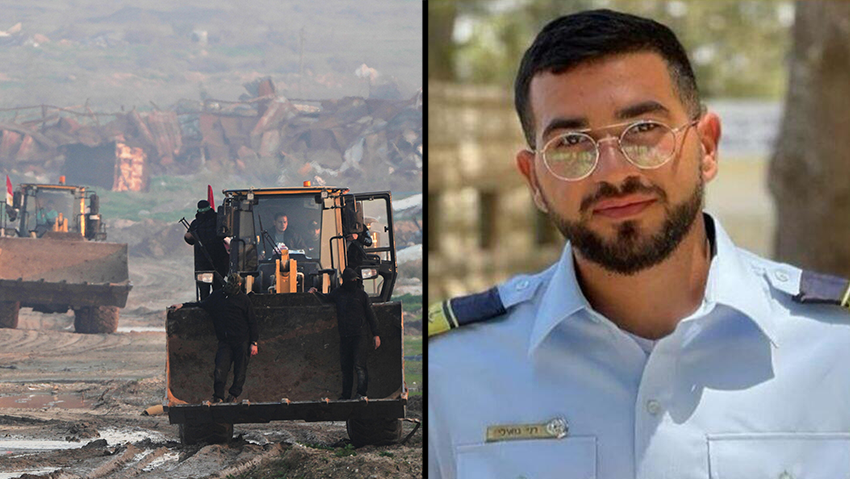
(Photo: AP Photo/Abdel Kareem Hana)
The decision drew significant opposition from cabinet ministers, according to officials, but the prime minister ultimately approved the move under U.S. pressure. The crossing is set to open regardless of ongoing efforts to recover the body of hostage Ran Gvili.
In a statement, the Prime Minister’s Office said the crossing would reopen in a limited format for civilian passage only, with full monitoring mechanisms in place. The statement said the move is part of a U.S.-backed plan and had originally been linked to progress on the return of captives.
Senior U.S. envoys have pressed in recent weeks for the reopening of Rafah, describing it as a confidence-building step amid continued fighting with Hamas gunmen in Gaza.