

IDF Chief of Staff Eyal Zamir publicly condemned the recent violence by Israeli civilians in the West Bank on Wednesday, during a joint-division exercise held by Central Command. The condemnation followed a series of violent incidents in which approximately 100 Jewish Israelis attacked Palestinians and later IDF soldiers. President Isaac Herzog also denounced the violence, but Prime Minister Benjamin Netanyahu and Defense Minister Israel Katz have not yet commented.
“The IDF will not tolerate criminal behavior by a fringe minority that tarnishes an entire law-abiding public,” Zamir said. “These acts are contrary to our values. They cross a red line and divert our forces from their mission—defending the communities and conducting offensive operations. We are determined to put an end to this phenomenon and will act decisively to bring offenders to justice.”
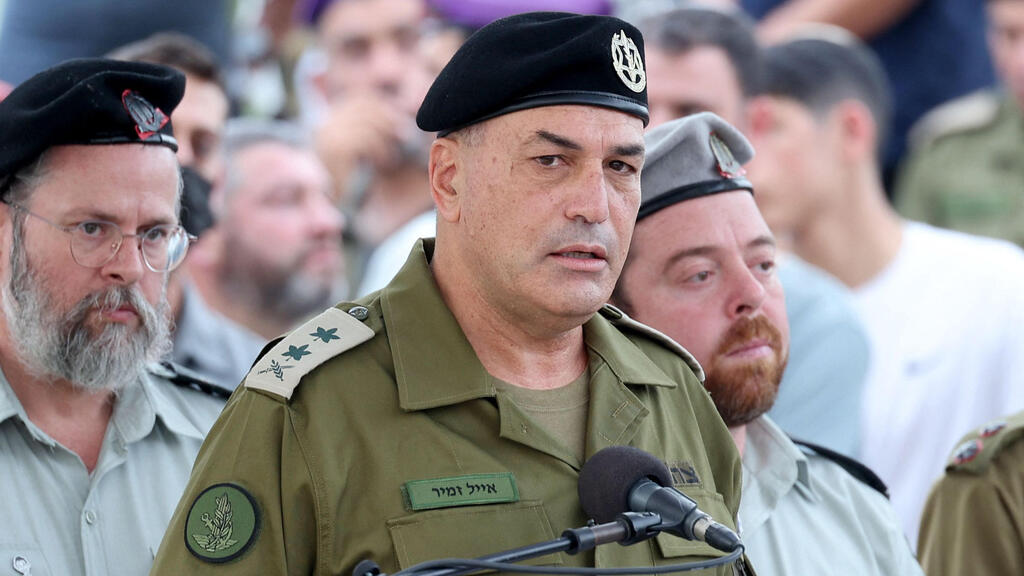
Zamir added: “Our forces are operating on the ground to prevent threats and harm to residents of the area. The settlement enterprise is important to us, and we deeply appreciate it. Strengthening the settlements is an inseparable part of national security, and we must continue working to reinforce and empower this element. We operate under a clear principle: terror meets the army, civilians live their routine. We are the defensive barrier between terror organizations and Israeli civilians.”
On Tuesday afternoon, masked extremist Jewish Israeli civilians entered the Palestinian village of Beit Lid, east of Tulkarm, set fire to vehicles, and injured four Palestinians. According to the IDF, around 100 Jewish rioters took part in what was described as an unusually large and violent incident. In addition to physical assaults, they damaged property and burned cars. Only three individuals were detained for questioning, while the rest fled to the Barkan industrial zone near Kedumim.
Rioters set fire to vehicles in the Palestinian village of Beit Lid


Rioters set fire to trucks and cars in the village of Beit Lid
There, the rioters began attacking IDF soldiers who had arrived to arrest them. During the clashes, while some were being detained, other rioters reached the jeep of the deputy commander of the Paratroopers’ 101st Battalion and punctured its tires. Initially, the IDF reported six detainees to the police, but when officers arrived, they found only four in custody—two had escaped under cover of the ongoing riots.
Central Command head Maj. Gen. Avi Bluth also addressed the violence during a briefing with field commanders, saying, “It’s a miracle no one was killed. The reality in which anarchist fringe youth act violently against innocent people and against security forces is unacceptable and extremely grave. Addressing this phenomenon requires the full involvement of all branches of the Israeli government—education, welfare, law enforcement, and judiciary.”
Bluth added: “The directive to IDF soldiers is clear: do not stand by. Do everything possible to prevent nationalist crimes. We will not accept a situation in which lawbreakers harm property and innocent people, destabilize the West Bank, and divert the IDF’s focus from defense and counterterrorism.”
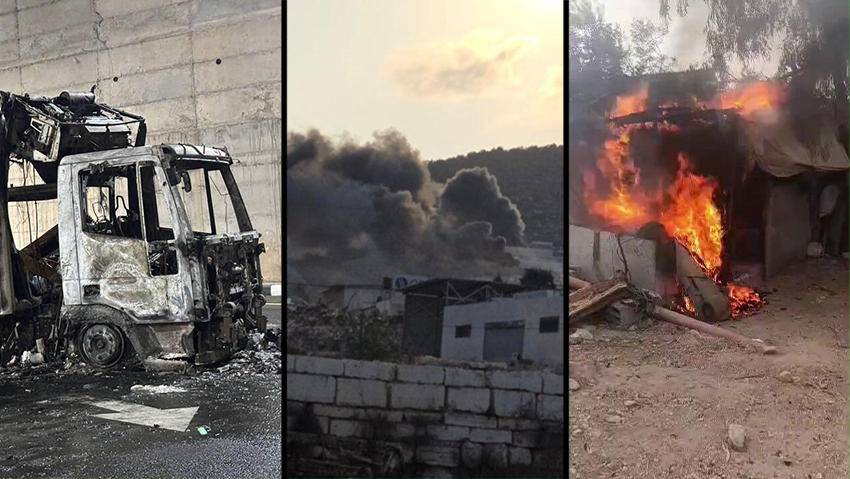
Rioters set fire to trucks and cars in the village of Beit Lid
He continued, “Our soldiers—both regular and reservists—who have fought on multiple fronts and continue to serve with dedication, are now forced to divert valuable attention and resources to deal with anarchists taking the law into their own hands. This comes at the expense of protecting roads, communities, and offensive operations against terror. This violence undermines both the settlement enterprise and the State of Israel.”
On Monday, Ynet revealed that during a special meeting held in recent weeks between Zamir and brigade commanders from the Judea and Samaria Division, the commanders urged immediate action. They recommended reinstating administrative detention orders that Defense Minister Israel Katz canceled upon taking office—allegedly under pressure from political allies of ministers Bezalel Smotrich and Itamar Ben Gvir.
Military officials say red lines have been crossed, and they point directly at members of the government, some of whom IDF soldiers have encountered in recent weeks while evacuating illegal outposts. Senior officers describe an absurd situation in which soldiers enforcing the law face physical opposition from cabinet ministers who show up at the sites to support the settlers. This permissive atmosphere, they say, has also affected the police, which—according to military officers—rarely enforces the law in such cases, seldom arrests suspects, and often arrives late or without sufficient reinforcements, especially from special units.