

Last week, 17 of the 20 hostages released last month from the grips of the terrorist organization Hamas traveled to Washington, D.C., where they visited the White House and met with U.S. President Donald Trump. They were part of a 26-member delegation that included three physicians who have been treating them since their return: Professor Noa Eliakim-Raz, head of the Returning Hostages Unit and Internal Medicine E at Rabin Medical Center–Beilinson Hospital; Dr. Yael Meridor, a member of Tel Aviv Sourasky Medical Center’s returning-hostages care team; and Dr. Noya Shilo, head of Sheba Medical Center’s Return to Life Center for hostages and their families.
Doctors generally accompany these sensitive missions to ensure the safety and well-being of the former hostages during the long journey — more than 12 hours of travel from Israel to the US East Coast. Last Thursday’s reception marked the third time Trump has hosted delegations of released hostages.
Gallery
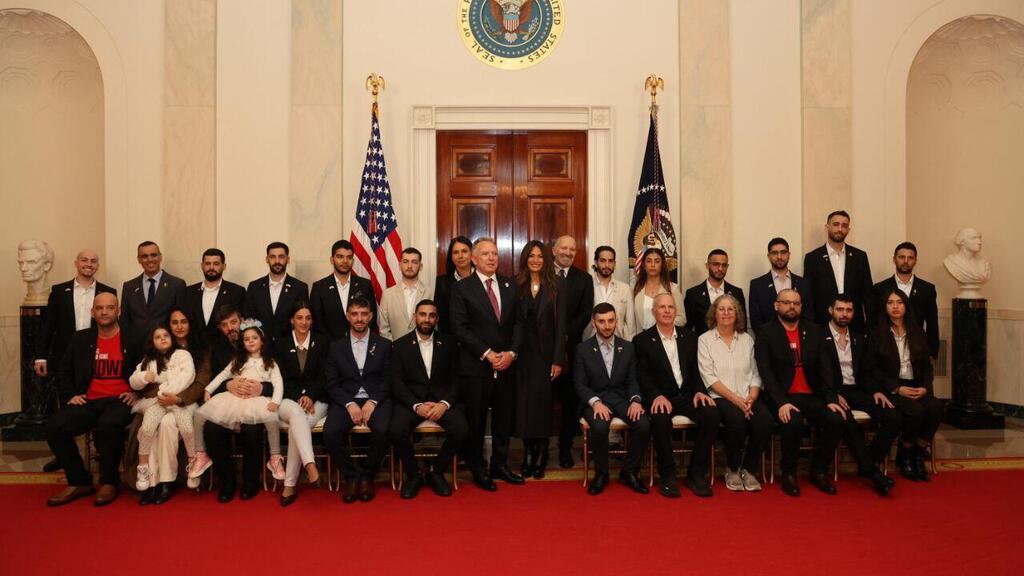
Former hostages and their families visit President Trump at the White House
(Photo: Shmulik Almani)
Two of the participating physicians, Eliakim-Raz and Meridor, spoke about the experience from the medical team's perspective, from the emotional weight of the visit to the quiet moments of healing that unfolded along the way.
Let’s start with the basics. Why were doctors necessary on this mission? What kind of medical or other challenges were you expecting?
It wasn’t that the team anticipated specific medical problems, Eliakim-Raz explained. However, because the hostages had returned from captivity only about a month before the trip, the delegation wanted to ensure that medical support would be available if anything arose.
“We are always very sensitive to their soul and to what certain encounters can bring with them in terms of bringing up things and thoughts and feelings,” said Eliakim-Raz. “We never know what can be a trigger to what, and they wanted their familiar doctors with them.”
She added that the trip ultimately became a bonding experience — healthy for the former hostages and meaningful for the medical staff who had cared for them over the last two years. Having one doctor from each of the three hospitals that treated the former hostages added symbolic significance and helped the doctors themselves find a sense of closure.
“We had time to share experiences and sort of wrap up a very long and demanding time for each of us and our teams,” Eliakim-Raz said.
What kind of medical kit did you bring?
This, too, was a unique process, Eliakim-Raz said. Before the trip, the three doctors coordinated closely and prepared an extensive Excel spreadsheet detailing the supplies they would need. It included a wide range of medicines and first-aid items, which were then divided among the hospitals.
“We could have opened a small hospital with the things we brought,” Eliakim-Raz noted, listing items such as antibiotics, anti-anxiety drugs, inhalers and more. They also carried equipment for checking blood sugar and other basic diagnostics.
Who was on call back home in case of a medical emergency?
As with any major journey, there was a backup team in Israel, according to Meridor. The delegation also had contacts in the United States who could offer additional support if needed.
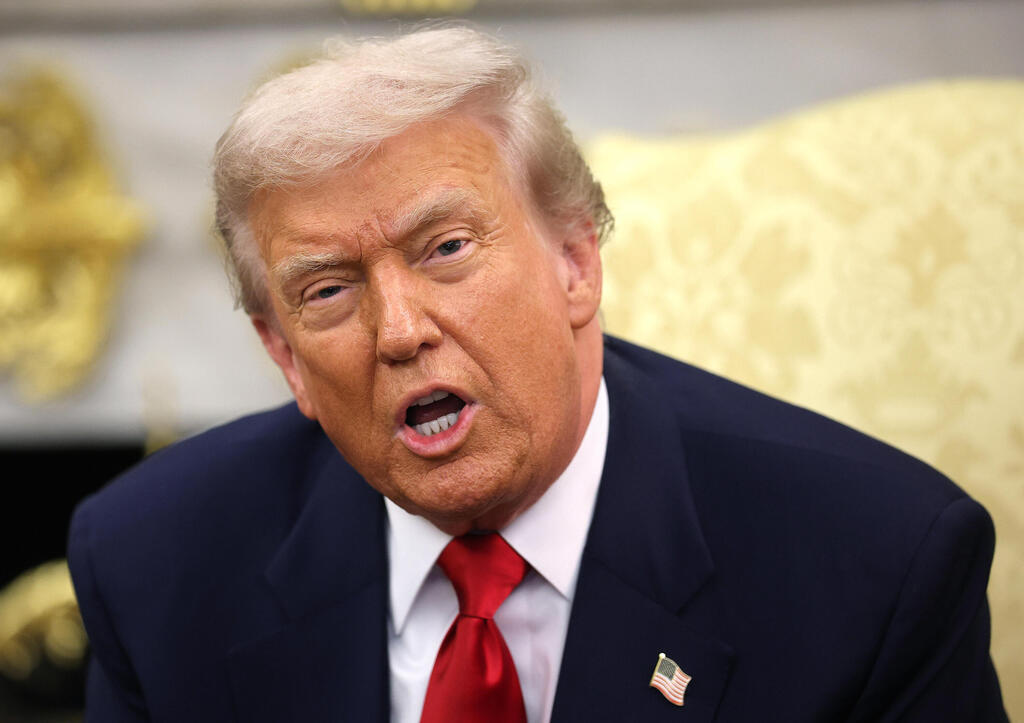
US President Donald Trump
(Photo: Win McNamee/Getty Images)
“We did not think someone would need to go back to Israel,” Eliakim-Raz stressed. “We figured we could provide a small emergency room on the ground. We had everything to handle things in the moment if someone needed help. We also knew there were hospitals on the ground, but, of course, no one needed that.”
The flight is very long. What kinds of accommodations were needed for the hostages to make such a journey?
The primary concern was privacy, the doctors explained.
“Everyone wants to hug them, take pictures, and that can be very flooding,” Eliakim-Razsaid. Because the hostages had only recently returned and their faces remained top of mind for the public, there was concern that people might approach them in airports or other public spaces. The Prime Minister’s Office, which coordinated the visit, worked carefully to ensure privacy during both departure and arrival.
In addition, the team considered comfort and mobility on the plane. Some of the former hostages could not sit for long periods, so seating arrangements were customized. The delegation itself was relatively small — about 12 representatives from the Foreign Ministry, the IDF and the government, including the doctors — who accompanied the former hostages and the family members they chose to bring.
Who else was in the room besides President Trump, the hostages and the delegation?
When the group arrived to meet the president, the delegation was divided into two rooms, one for the hostages and one for everyone else. First, the returnees greeted the president privately, and afterward everyone joined together. In addition to Trump, several members of his team were present, including special envoy Steve Witkoff.
Why was Rom Braslavski not able to go while the others were? Was it safe for the delegation to travel?
While neither Meridor nor Eliakim-Raz could speak about Braslavski’s specific situation, Eliakim-Raz emphasized that one of the most important aspects of recovery is restoring the hostages’ sense of choice.
“In our group at Beilinson, there were returning hostages for whom it was clear they could go medically, but we sat down and talked about the pros and cons of going, and we really gave them the ability to choose,” Eliakim-Raz explained. “Having medical staff come was very reassuring to them. Still, some of them understood it was too early, and that was OK.”
Can you describe the feeling of walking into the White House, seeing the president of the United States, and representing the State of Israel, especially while accompanying the hostages?
“It was very powerful to be there, especially in these circumstances,” Meridor said. “We were all very touched.”
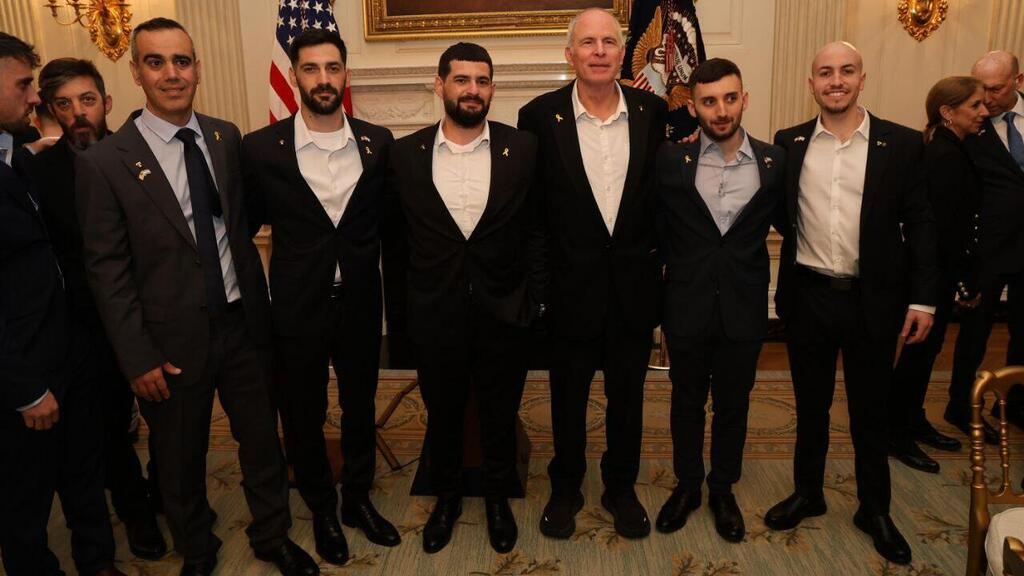
Former Hostages Omri Miran, Gal and Ziv Berman, Keith Siegel, Matan Angreset and Eitan Mor at the White House
( Photo: Shmulik Almani)
Eliakim-Raz expressed similar sentiments, saying she had not imagined how emotional the trip would be.
“I thought about it so much at these moments in the White House,” she said. “I know from when they returned from Gaza how they looked, the pain, and the challenges. I saw their faces, and I know where they were such a very short time ago … To see them standing there in their suits and looking so nice and smiling and so proud, it was a big victory, and they felt so grateful.”
She said she does not think many could believe the visit was actually happening.
“It was easy to feel in a dream with the violins playing and the centuries-old room and this feeling of festivity. We were a bit detached from our reality, and it was really an extraordinary moment of pride. It really felt historical,” Eliakim-Raz added. “Most of the time when you go through life, you do not feel you are living history, because you are in the moment and don’t have time to look from the outside. But over there, it was different. It really felt like this chapter of the hostages returning had ended. It was a moment that we finally understood that.”
What were the emotions in the room?
“Happy” was the word both doctors used. Eliakim-Raz said the families were glowing, and some cried from joy.
“I think if someone said a month ago that they would stand in Trump’s White House and talk to him, they would have laughed. They were in a tunnel in Gaza a month ago,” Eliakim-Raz said. “The gap between where they were and this moment is huge.”
What was it like for you personally to accompany them? How do you feel the trip went overall? Was there one moment that stood out as particularly meaningful?
“In this journey for the past two years, there have been many small moments,” Meridor said. “It was powerful to see them together, to laugh together, to share experiences together.”
Like Eliakim-Raz, she said it was also meaningful for the doctors themselves to be together and find collective closure.
Eliakim-Raz recalled many moments that stood out, such as seeing the former hostages cheering at a hockey game or wearing the “Make America Great Again” hats given to them by Trump.
“It really filled the heart with joy,” she said.
She also described simple day-to-day moments that carried deep meaning: for example, when families were driving, and a child needed to stop, and a father who had been in captivity was calmly handling an ordinary parenting task.
“I think every moment you see their appreciation of going back to life,” Eliakim-Raz said.
Is there anything the public might not realize about what it takes to care for former hostages while traveling internationally?
Eliakim-Raz said she wanted to thank the Hostages and Returnees Directorate in the Prime Minister’s Office for the invitation, the privilege of being part of the mission, and the exemplary organization, as well as the Ministry of Foreign Affairs, the Consulate in New York, and the Embassy of Israel in Washington.
“I feel that I was so privileged to be there,” Eliakim-Raz said. “It did not feel like work. It was a great privilege to be part of this historical delegation.”
But she also noted that the public must remember that, despite the joyful images, these former hostages still have a long path ahead toward full rehabilitation.
“To really go back to life, it will take work, and it is important not to forget that,” she said. “But looking at those beautiful pictures, those moments — they won. They totally won.”