



The investigation is still in its early stages, but troubling details are already emerging about the background of Omani co-pilot Hamam al-Hammami, accused of trying to crash a flydubai passenger jet bound for Israel — information that raises questions about whether warning signs should have been detected by Israeli transportation and security authorities.
Despite those apparent red flags, al-Hammami was cleared to fly to Israel. The alleged attack was thwarted only after Indian captain Smit Machchhar, despite being badly wounded, managed to open the cockpit door, allowing Israeli passengers and others aboard to rush in and subdue the co-pilot.
CNN investigation into social media of activity of Omani co-pilot Hamam al-Hammami
(Video: CNN)


An Israeli security official told CNN that authorities are examining whether al-Hammami intended to carry out a terrorist attack modeled on the Sept. 11, 2001, attacks in the United States.
Here is what is known so far about the Omani pilot — and about social media posts CNN reported appeared on accounts bearing his name after the attempted attack.
From Oman Air to flydubai
Al-Hammami, an Omani citizen, was born in the United Arab Emirates to an Omani father and Syrian mother and spent part of his life in the UAE.
According to a LinkedIn profile bearing his name that was deleted after the incident, he worked for Oman Air, the country’s national carrier, for seven years, until February 2025.
In 2024, while still working as a co-pilot for Oman Air, “extremist material” was reportedly found in his possession. He was subsequently removed from flying duties but continued working for the airline in an administrative position.
CBS reported a somewhat different account, saying he worked for Oman Air for only a “short time” and was suspended from flying after accessing “extremist websites.” According to that report, he subsequently left the airline.
Another report said the suspension followed suspicions that al-Hammami had undergone jihadist radicalization, apparently while spending time in Syria.
According to the LinkedIn profile, al-Hammami joined Moroccan carrier Royal Air Maroc in June 2025 and left six months later, in January 2026. The airline, however, said al-Hammami underwent three months of training but was not ultimately hired.
The profile also said al-Hammami studied at Buckinghamshire New University in England. A university official confirmed that a person by that name completed a three-year distance-learning program, graduating in 2023 with a degree in aviation management.
His subsequent employment with flydubai, which began this year, was not listed on the LinkedIn profile.
A diplomat from a Gulf country told The Associated Press that al-Hammami underwent standard security screening before he was hired. The checks, however, appeared to focus primarily on whether he had a criminal record rather than examining his background more deeply for potential signs of radicalization.
Posts appear hours after the attack
CNN reported that only two posts appeared on the LinkedIn profile bearing al-Hammami’s name — and both were published Wednesday, about nine hours after the attack.
It remains unclear who published the posts, CNN said, though the network raised the possibility that they had been scheduled in advance.
The first post contained a series of videos filmed from the cockpits of Boeing 737 MAX aircraft — the same aircraft family as the flydubai jet involved in Wednesday’s incident.
Gallery
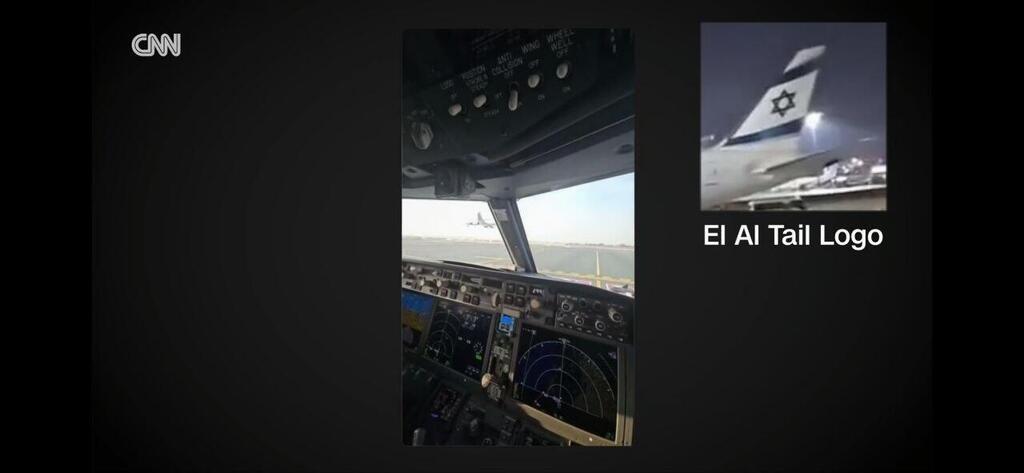
One of the videos filmed flydubai by terrorist Hamam al-Hammami zooming in on an El Al aircraft
(Photo: CNN)

One of the videos filmed flydubai by terrorist Hamam al-Hammami zooming in on an El Al aircraft
(Photo: CNN)
One of the videos was filmed at Dubai International Airport, according to CNN, and showed the person behind the camera zooming in on an El Al aircraft.
The cockpit display visible in the video showed the flight number of an Oman Air flight from Dubai to Muscat on Oct. 11, 2023, four days after the Hamas-led Oct. 7 attack on southern Israel.
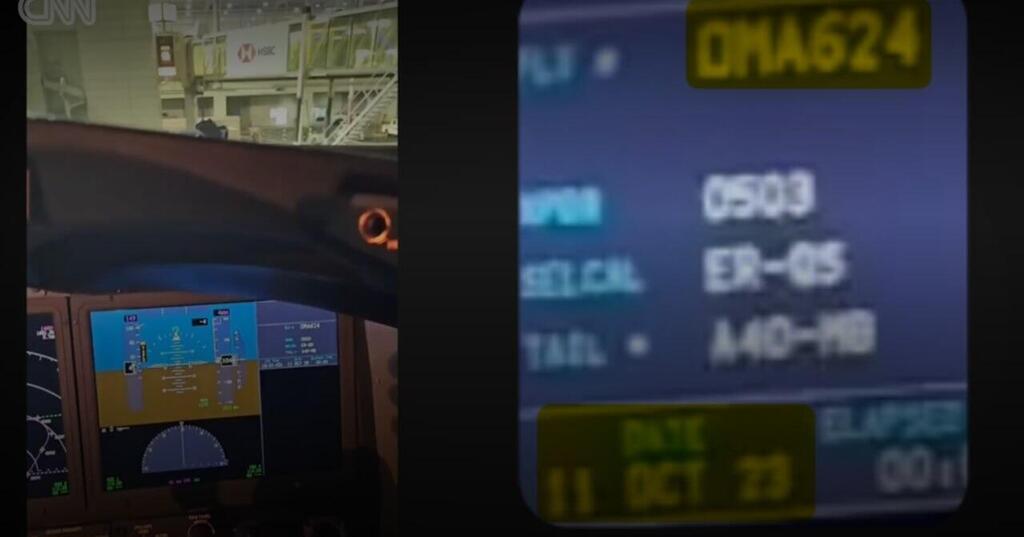
The cockpit display visible in the video showed the flight number of an Oman Air flight from Dubai to Muscat on Oct. 11, 2023
(Photo: CNN)
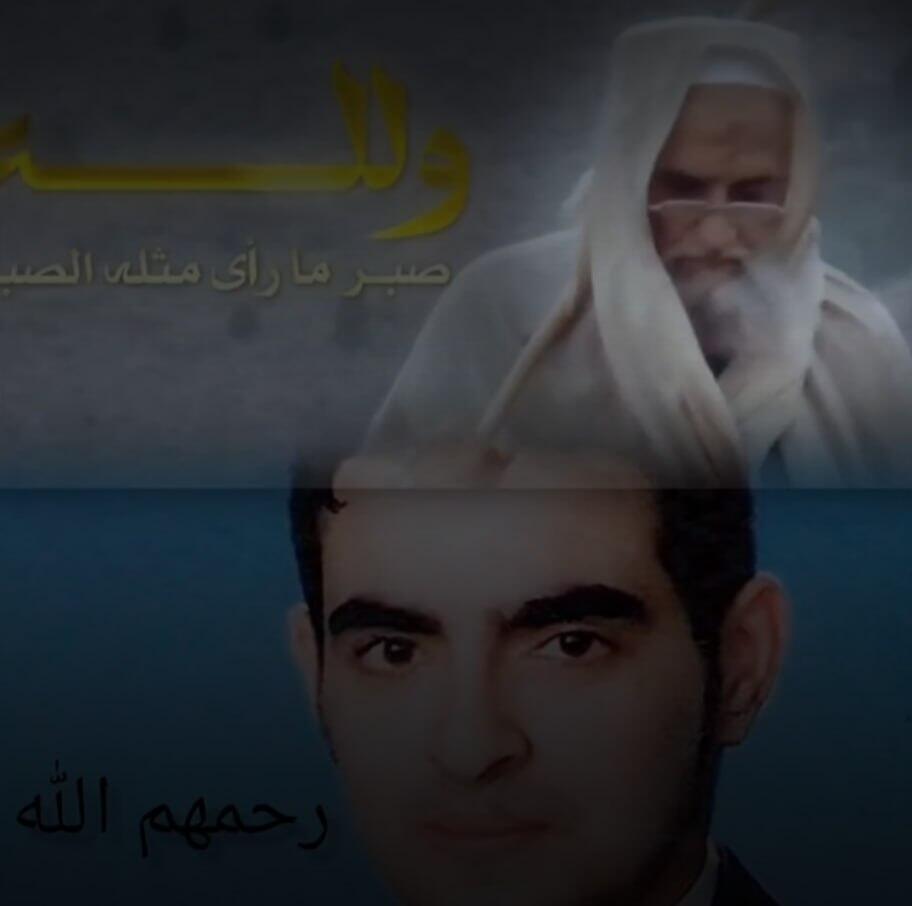
A screengrab from al-Hammami's video depicts former al-Qaida leader Ayman al-Zawahiri
(Photo: CNN)
The post included additional footage showing El Al aircraft and one plane belonging to Arkia, another Israeli carrier. It ended with an image of Ayman al-Zawahiri, the former leader of al-Qaida who succeeded Osama bin Laden and was killed in a U.S. drone strike in Kabul in 2022.
The alleged ‘prostitute test’
The second post on the deleted LinkedIn account contained an artificial intelligence-generated image depicting three cities sacred in Islam — Mecca, Medina and Jerusalem — connected by a continuous glowing path.
A song could be heard in the background containing declarations against “humiliation,” with the speaker saying he did not fear death and would defend his honor.

A screengrab from al-Hammami's video depicts Mecca, Medina and Jerusalem
(Photo: CNN)
CNN also reported that an account on X, formerly Twitter, belonging to a person with al-Hammami’s name contained extreme religious views. The account has since been deleted.
According to CNN, the account contained about 3,000 posts. Some dealt with his mother’s attempts to arrange a marriage for him and his requirement that a prospective wife wear a niqab, the Islamic face covering that leaves only a narrow opening around the eyes.
“They all refused,” read a February 2022 post cited by CNN. “Then my mother told them, ‘My son is a pilot,’ and suddenly they all agreed.”
In another post, he expressed opposition to men and women working together.
“How many respectable and religious young women have been ruined in mixed workplaces between men and women and manipulated?” read a January 2022 post.
Another post described what he called tests he subjected women to while getting to know them.
“I don’t know how you have the patience to talk to one girl for four years,” the post said. “Most of the girls I talk to last two or three days, and I give them 100 tests, including the prostitute test. Thank God, none has lasted more than a week with me.”
The accounts and posts are now part of a growing body of information being examined as investigators seek to determine al-Hammami’s motives, whether he acted alone and how a pilot who had reportedly raised extremism concerns at a previous airline was later hired by flydubai and cleared to operate a flight carrying passengers to Israel.