


Israel’s security cabinet convened Tuesday evening to review developments in the ongoing negotiations for a cease-fire and hostage release. Talks in Doha have shown progress on one of the core disputed issues: the maps detailing an IDF withdrawal from Gaza. The Israeli delegation presented updated maps, but no agreement has been finalized, and negotiations are expected to continue for several more days.
Sources involved in the talks said there has been “significant progress, but no breakthrough.” They added that Prime Minister Benjamin Netanyahu has granted the Israeli negotiating team “greater flexibility and more room to make decisions in pursuit of a deal."
Gallery
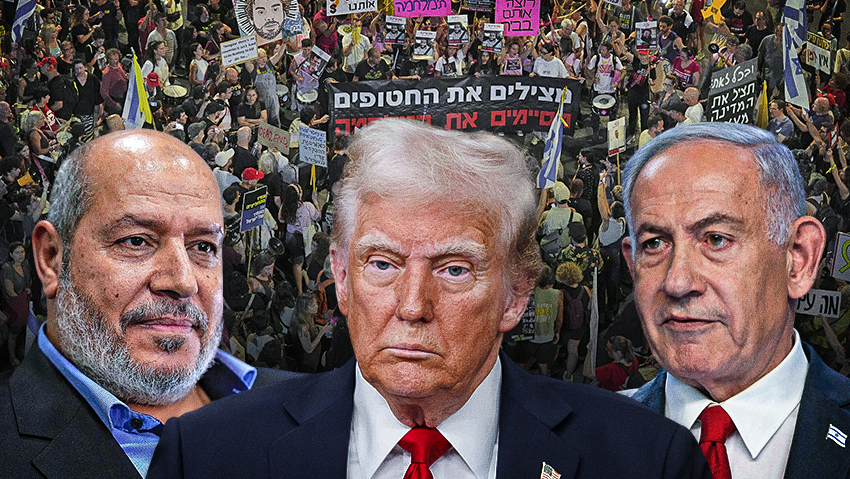
We are getting closer to a ceasefire deal
(Photos: Ariel Schalit/AP; Khalil Hamra/AP, Ronen Zvulun/Reuters, Joshua Sukoff/Shutterstock)
IDF Chief of Staff Eyal Zamir presented a revised plan for establishing a “humanitarian city” in Rafah—following Netanyahu’s earlier demand for more “realistic timelines.” The updated proposal is designed to be more cost-effective, shorter in duration, and more practical. Zamir also outlined his operational plan for continued combat operations and troop deployment if an agreement with Hamas is reached.
According to cabinet participants, Netanyahu had previously expressed anger at the military’s assessments, demanding an “improved plan.” Some in the room reportedly sensed the IDF was intentionally presenting an unworkable proposal as a way of delaying or avoiding the humanitarian city initiative, which has drawn international criticism.
The cabinet also debated how the city would be funded. Senior officials recently told Ynet commentator Nadav Eyal that the estimated cost ranges from 10 billion shekels to 15 billion shekels, with the state expected to cover nearly all initial expenses.
Get the Ynetnews app on your smartphone: Google Play: https://bit.ly/4eJ37pE | Apple App Store: https://bit.ly/3ZL7iNv
Zamir has clashed with Netanyahu and Finance Minister Bezalel Smotrich over the issue in recent weeks, arguing that diverting resources to prepare the humanitarian zone undermines the IDF’s primary missions in Gaza—chiefly fighting Hamas and securing the hostages’ release. Netanyahu has instructed the military to present a readiness plan within days.
Meanwhile, President Isaac Herzog visited Kibbutz Kfar Aza on Tuesday and addressed the national urgency for the return of the hostages.
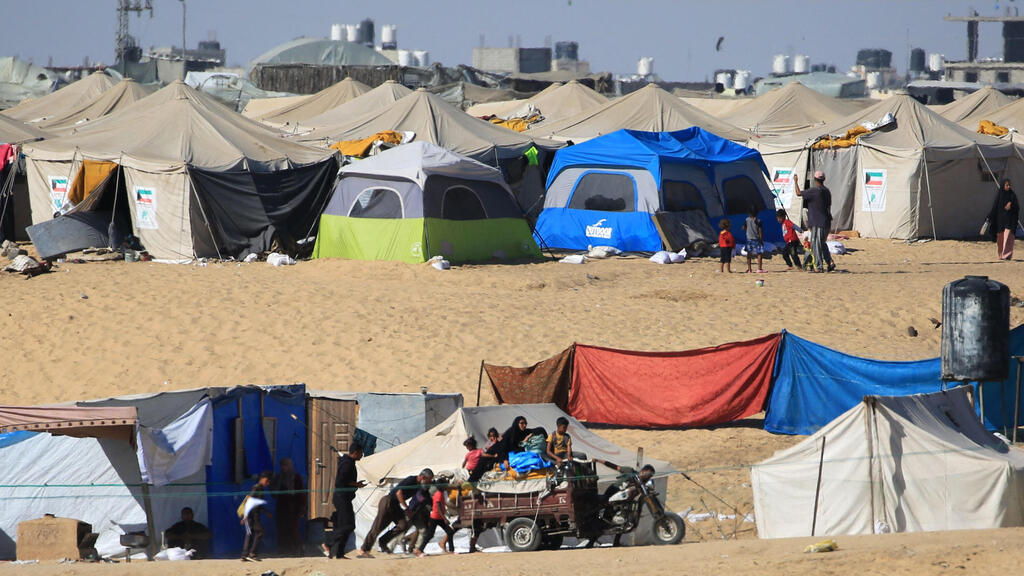
Refugees in Rafah
(Photo: Eyad Baba / AFP)
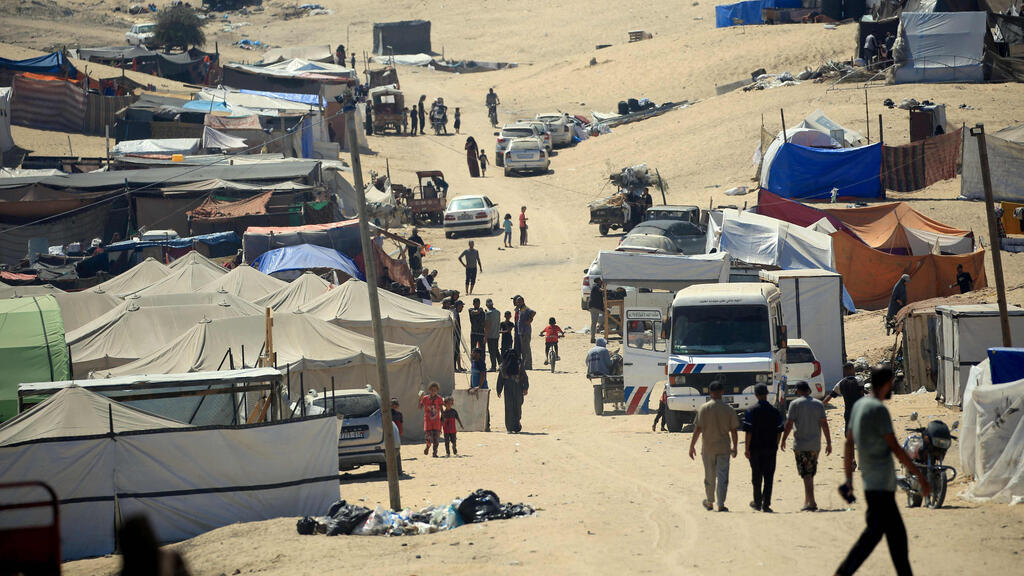
Living in tents in Rafah
(Photo: Eyad Baba / AFP)
nation is desperately waiting for our sons to return home. We are in critical days of negotiation, when each and every one of us is holding their breath, waiting for an agreement that will finally bring them back,” Herzog said. “At this moment, a sacred duty stands before us—the sacred duty of a state to its citizens: to bring them all home. Every single one.”
“Each hostage is a humanitarian case. I support our negotiating team working tirelessly at this very moment, and everyone involved—on the frontlines and behind the scenes. I call on them, especially the decision-makers: bring them home. Bring them back to us. In this intense phase of talks, time must not be wasted. There is no justification for delay. We must press down on the gas pedal with full force and finally reach the long-awaited agreement. I promise you personally—I will not rest until every last one of them is home.”