


Senior Israeli officials estimate that constructing a proposed "humanitarian city" in the Rafah area would cost between $2.7 billion and $4 billion. They added that, if the plan proceeds, Israel would initially bear nearly the entire cost.
IDF attacks in Beit Hanoun
(Video: IDF Spokesperson's Unit)


According to the proposal, the "city"—essentially a vast encampment of large tents—is intended to house up to 500,000 people. Israeli planners reportedly do not intend to allow those relocated there to return to northern Gaza.
The plan has drawn sharp criticism from within the Israeli defense establishment, with some warning it could pave the way for an Israeli military administration in the Strip. Humanitarian organizations have condemned the initiative as a form of forced displacement. Even celebrities have condemned the idea.
IDF Chief of Staff Eyal Zamir has voiced strong opposition in cabinet meetings, clashing with Prime Minister Benjamin Netanyahu and Finance Minister Bezalel Smotrich. Zamir argued that resources allocated to preparing the area are detracting from the army’s operational capabilities in the ongoing fight against Hamas and efforts to rescue hostages. Netanyahu has instructed the IDF to deliver an operational plan within days.
Gallery
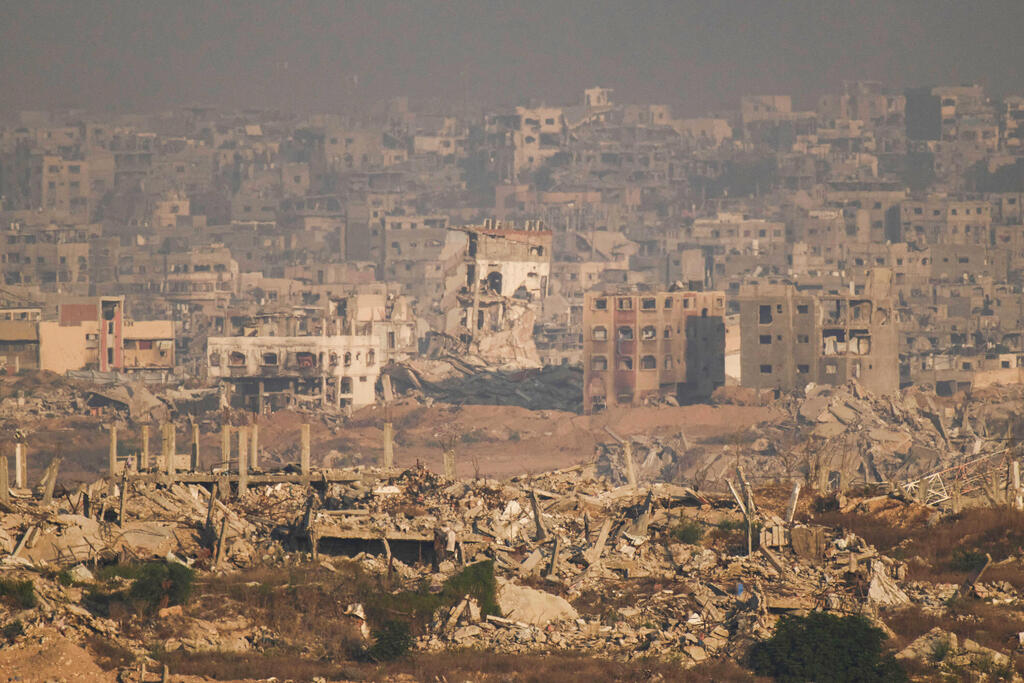
With so much destruction, many doubt 'Humanitarian City' feasibility
(Photo: AP Photo/Leo Correa)
Late last week, Smotrich participated in a key meeting on the initiative, approving initial budget allocations to begin preparations. “The final cost will be between $2.7 billion and $4 billion—most likely closer to the upper end. The high price reflects the intention to create a location that Palestinians would willingly move to, with plentiful food, decent living conditions, long-term shelter, medical support including hospitals and, potentially, even educational services,” an Israeli source said.
Get the Ynetnews app on your smartphone: Google Play: https://bit.ly/4eJ37pE | Apple App Store: https://bit.ly/3ZL7iNv
Government officials have claimed that Israel hopes to be reimbursed by Gulf states—such as Saudi Arabia and the United Arab Emirates—once they assume responsibility for Gaza’s post-war reconstruction. Still, even among those involved in planning, there is skepticism. “There’s almost no chance this actually materializes. Very few believe the city will ever be built,” according to a source.

IDF Chief of Staff Eyal Zamir
(Photo: IDF Spokesperson's Unit)
In response to mounting criticism, Smotrich’s office accused detractors of inflating cost projections to derail what it called “the prime minister’s humanitarian separation plan—designed to decouple Hamas from the civilian population.” A spokesperson added that hundreds of millions of dollars had already been approved to prepare a secure area for displaced residents.
“This war has already cost hundreds of billions without producing a decisive victory—mainly due to the mishandling of humanitarian aid, which continues to empower Hamas,” the spokesperson said. “Civilian solutions and severing Hamas from the population are the most efficient paths to victory. Anyone treating this as a budget grab should step aside immediately.”