

Ofer (Pushko) Moskovitz, the avocado cultivation manager at Kibbutz Misgav Am along the northern border, was killed Sunday morning when a rocket fired from Lebanon struck his vehicle directly.
Moskovitz was pronounced dead at the scene after rescue teams extricated him from the burning car. Two vehicles were found ablaze. No air raid siren sounded before the strike.
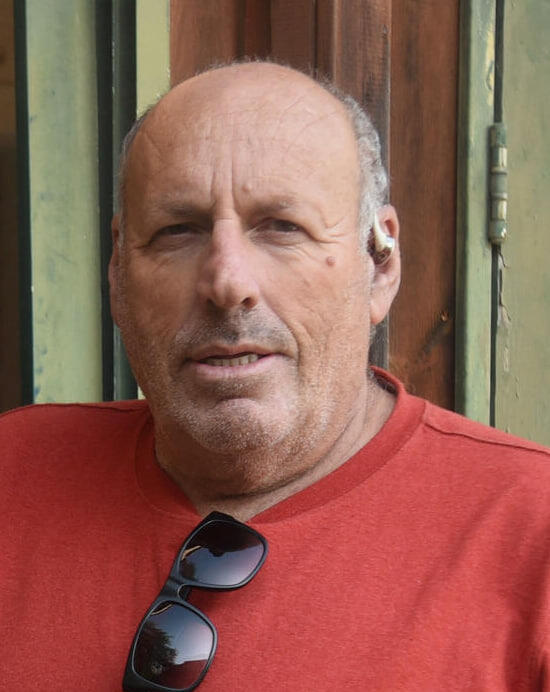
Ofer (Pushko) Moskovitz
Hezbollah claimed responsibility, describing the attack as “defense of Lebanon and its people.”
During rescue operations, another siren warning of a launch from Lebanon sounded, though the projectile did not cross into Israeli territory.
The IDF said fire was identified from Lebanese territory toward a northern border community. “There is damage and there are casualties. The incident is under investigation,” the military said, adding that it is examining the type of projectile used.
Magen David Adom paramedics Taysir Subach and Safa Abu Rafia said they arrived to find two vehicles on fire. “While firefighters were working to extinguish the flames, we identified a man in the driver’s seat. He had no signs of life and we had to pronounce him dead,” they said.
The Upper Galilee Regional Council described Moskovitz as a longtime community member, farmer and prominent public voice for the region. “The Galilee will not look the same without him,” the kibbutz said in a statement.
The direct hit in Misgav Am


In recent years, Moskovitz frequently spoke about security conditions and the challenges facing agriculture along the northern border. He continued working his fields under fire, even after large sections of the kibbutz’s orchards were burned in cross-border attacks.
In a radio interview Friday, he warned of the risks residents face. “At any moment a missile or a drone could fall on me. It’s Russian roulette,” he said.
Moskovitz, who recently became a grandfather, said he hoped for lasting quiet. “I want my new grandson, who was born this week, to sit on my porch and feel safe,” he said.
After the Oct. 7, 2023 war and subsequent fighting along the northern border, Moskovitz described watching his nearly 50-year-old avocado orchard burn. He returned repeatedly to tend the fields despite security restrictions, opening irrigation lines to prevent the fire from spreading.
“I don’t grow compensation, I grow fruit,” he said in a previous interview, noting he had not yet received compensation for damaged orchards. “We will rebuild the Upper Galilee. It will rise again.”