

To expedite the hostage release process, the IDF will withdraw within the next 24 hours to the updated “yellow line,” the first designated pullback zone — including from Khan Younis, not just Gaza City.
The large-scale operation will involve hundreds of soldiers, tanks, armored vehicles, and infrastructure being moved eastward. By tomorrow, the move is expected to leave Hamas in control of most of Gaza’s urban centers for the first time since the war began.
IDF dismantles post in northern Gaza as ceasefire deal set to take effect
(Video: Gilad Cohen)


Despite the withdrawal, the IDF will maintain security control along the Philadelphi Corridor bordering Egypt, as well as in several enclaves near Beit Hanoun and Rafah.
According to the new deployment plan, the army will also retreat from most sections of the Baitor routes — the Morag and Magen Oz axes — established earlier in the war as part of Operation Gideon A. Defensive fortifications along those roads are already being dismantled and relocated one to two kilometers east toward the border.
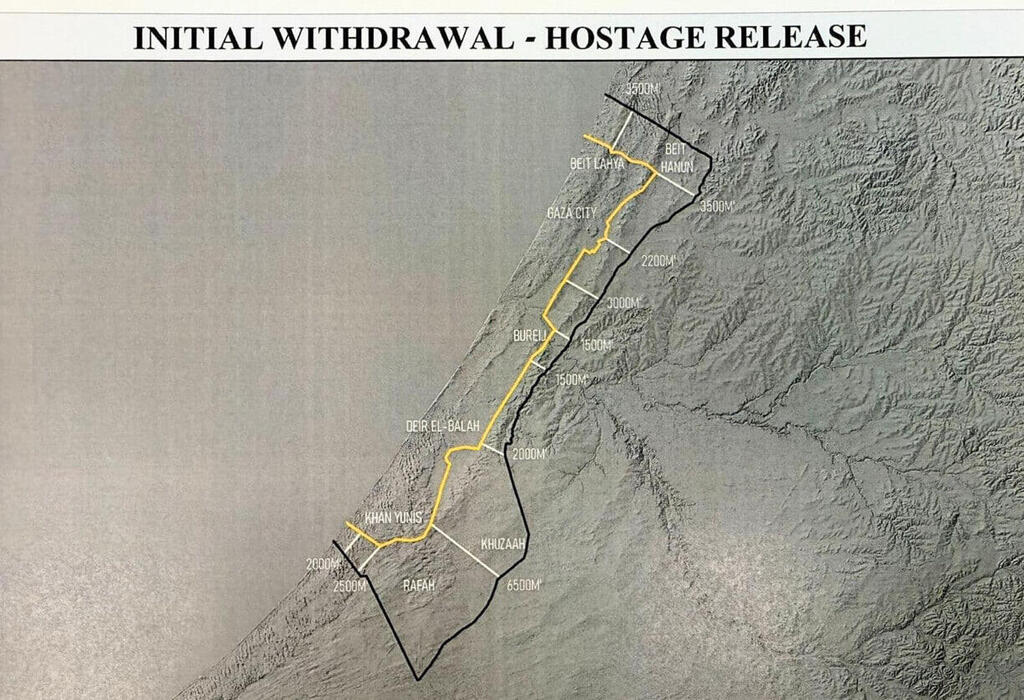
The IDF is also expected to demolish its positions in Khan Younis overnight to prevent Hamas from reclaiming military assets left behind. The current pullback is slightly deeper than the existing buffer zone but does not reach as far as the “yellow line” proposed by the United States last week, following Hamas’ demands during cease-fire negotiations.
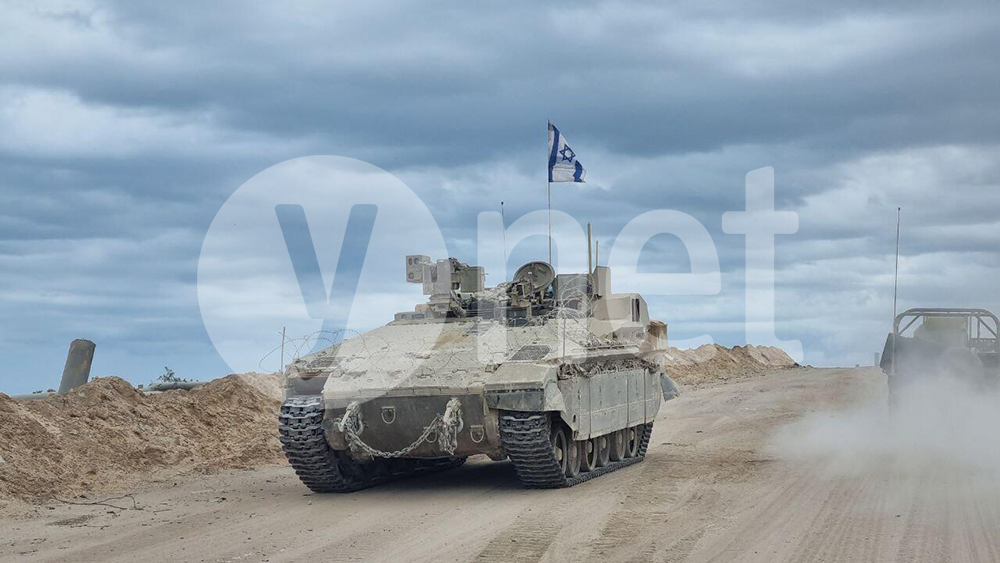
IDF forces leaving Gaza
(Photo: Gilad Cohen)
Preparations for hostage release under heavy security
For the upcoming hostage handover, a special IDF unit will receive the released captives inside Gaza from the Red Cross, similar to previous exchanges. From there, they will be taken to a processing and medical screening center near Re’im base, and then airlifted by Yas’ur or Yanshuf helicopters to hospitals across Israel.
If any hostage is deemed in critical condition, the IDF will bypass the border reception phase and fly them directly to a hospital. In other cases, military ambulances will transport them for further examinations. The bodies of deceased hostages will also be transferred to the special IDF team inside Gaza, then brought across the border for forensic identification before families are notified.
Fears of mob attacks on hostage convoys
Despite coordination with Hamas and the Red Cross, Israeli defense officials warn that crowds in Gaza may attempt to swarm the hostage vehicles before or during the transfer. The IDF has issued stern warnings to Hamas and is preparing contingency plans, including the use of air strikes and crowd dispersal measures—and, in extreme cases, ground intervention—if such mass assaults occur.
The pullback marks one of the final operational phases of the war, as Israel moves toward implementing the cease-fire and securing the release of all hostages under the U.S.-brokered agreement.