

The arrangement will initially cover three villages selected largely because most Hezbollah infrastructure there has already been addressed and because the handover will require little or no substantial Israeli withdrawal.
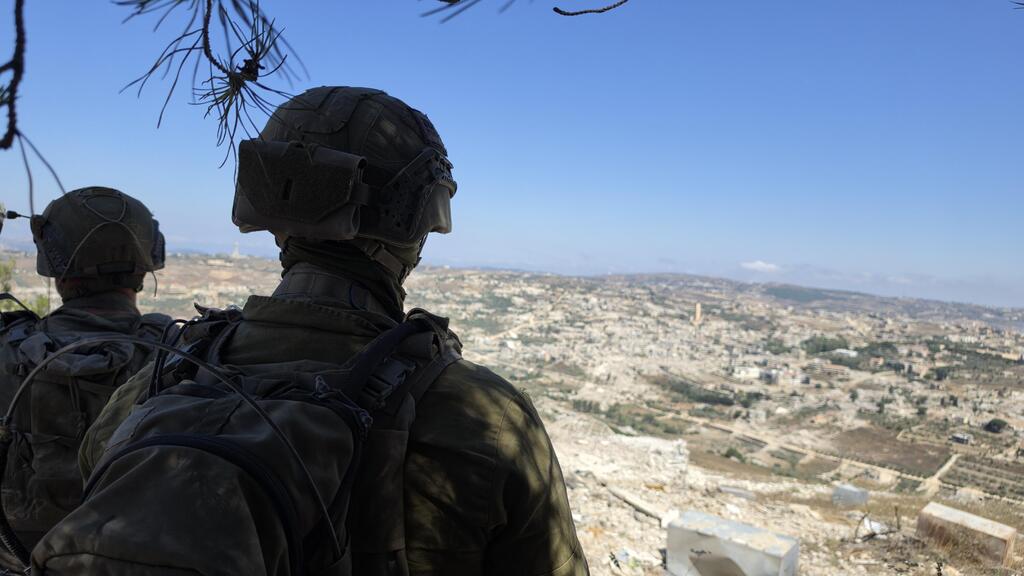
The central test will be whether the Lebanese army can keep the territory free of Hezbollah terrorists and prevent the group from restoring its military presence while exploiting the ceasefire to rebuild.
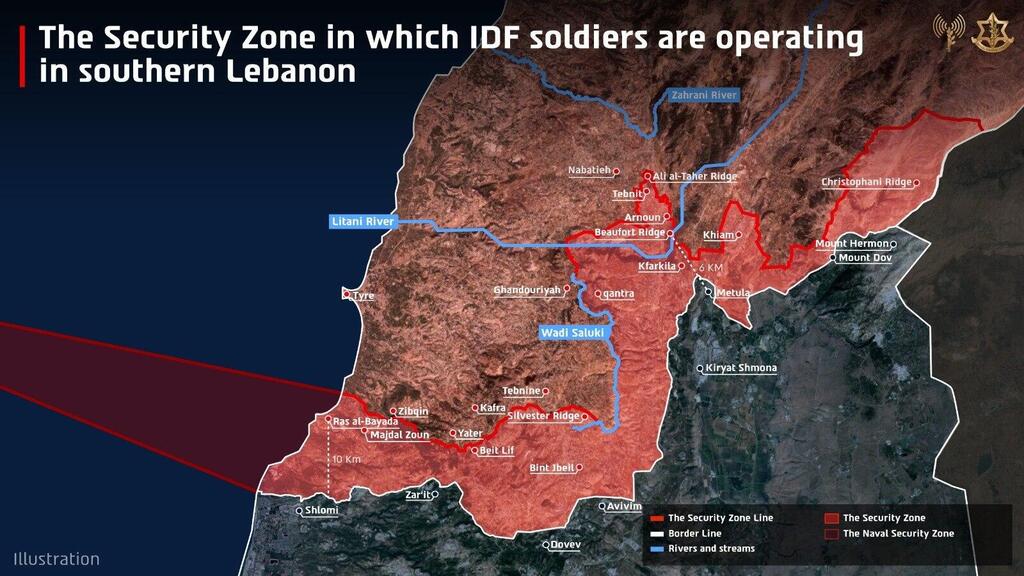
Two of the villages, Srifa and Froun, lie outside the line designated for Israeli forces. The IDF controls them through observation and firepower but does not maintain a permanent or deep troop presence there. The Lebanese army’s arrival therefore would not involve an Israeli withdrawal.
The third village, Zawtar al-Gharbiya, lies inside the designated line. Troops from the IDF’s 36th Division had operated there as part of the campaign to capture the Beaufort area alongside the neighboring village of Zawtar al-Sharqiya.
After the most intensive phase of the ground operation, the IDF reduced its forces in Zawtar al-Gharbiya but continued to control the area through surveillance and firepower. Israeli troops and military vehicles remain in Zawtar al-Sharqiya and in the surrounding area known within the IDF as “the Zaatars.”
The villages were chosen for several reasons, foremost because the pilot does not initially require a significant Israeli retreat and because they are located relatively deep inside territory where most of the identified infrastructure has already been treated.
Israeli defense officials understand that if the Lebanese army succeeds in preventing terrorists from returning, the pilot will expand to other areas from which the IDF would have to withdraw forces.
(Photo: IDF Spokesperson)
Since the ceasefire began, the IDF’s 36th Division has been preparing for two opposing possibilities: advancing into additional territory if fighting resumes or transferring control to the Lebanese army and pulling back.
Orders to the maneuvering forces are expected soon, and the handover will be conducted through full coordination, similar to a military changeover in the field.
The IDF has set clear demands for Lebanese army activity in the transferred areas. Lebanese forces are expected to continue dismantling terror infrastructure, but their main responsibility will be preventing Hezbollah from rearming, rebuilding positions and moving weapons into the area.
Hezbollah uses ceasefire to rebuild
Hezbollah, however, is not standing aside.
The group has been using the ceasefire to move weapons, equipment and supplies on motorcycles and by foot. It has also flown surveillance drones to collect intelligence on IDF activity in southern Lebanon.
In response, the IDF is reinforcing its positions throughout the designated line and maintaining an aggressive posture.
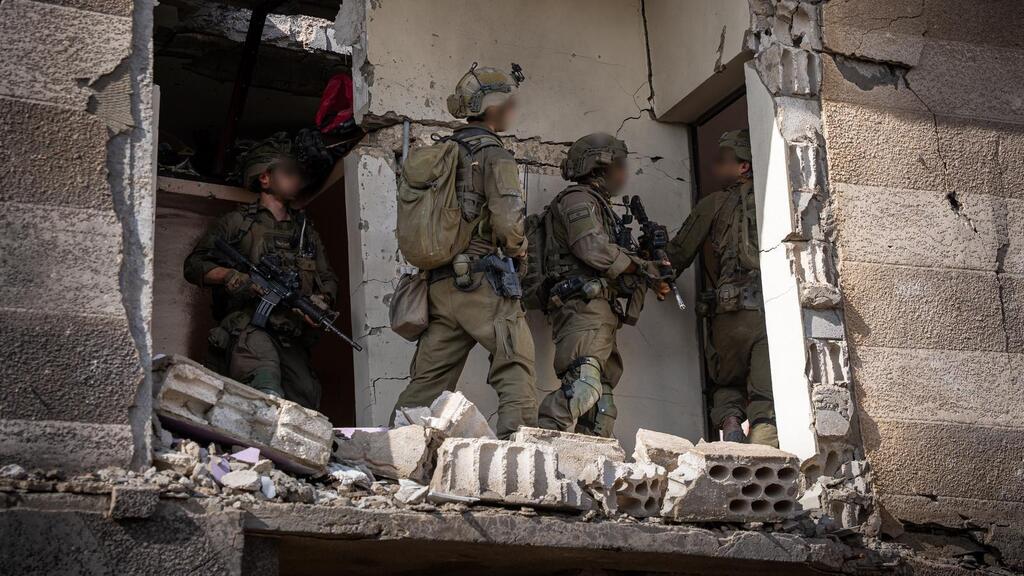
IDF operations in Bint Jbeil
(Photo: IDF)
Engineering forces from the 36th Division are opening difficult routes, including cutting through mountainsides and removing obstacles so armored vehicles can travel through the area.
The military is also upgrading defensive positions to protect troops from indirect fire and explosive drones.
A senior military officer said there was “time” to implement the pilot, stressing that the objective was to allow the Lebanese army to operate and to assess its performance carefully.
Yet two highly sensitive issues remain unresolved.
Dozens of trapped Hezbollah terrorists
The first concerns the fate of approximately 40 Hezbollah terrorists trapped in the Ali Taher Ridge near the city of Nabatieh.
The ridge is considered one of Hezbollah’s principal operational centers and most of its entrances are now controlled by the IDF. Israeli forces have isolated the terrorists, who are engaged in what security officials describe as a battle for survival.
According to security officials, the trapped terrorists have caused intense internal tension within Hezbollah.
While the group’s senior leadership is focused on finding a solution, the IDF is seeking to leave the terrorists with only two options: surrender or die.
Any further progress in the pilot will require a clear decision on their fate.
The second unresolved issue concerns the terror infrastructure discovered inside the ridge. The IDF has not yet destroyed the underground facilities, and it remains unclear whether they will be handed over intact to the Lebanese army or demolished first.
The pilot therefore represents another stage in the campaign in southern Lebanon, which began in late February, rather than an end to Israeli military activity there.
For now, forces from the IDF’s 36th and 91st divisions continue to hold the territory they captured and show no sign of rushing to leave.
Heavy engineering vehicles remain deployed along the main routes, and despite the ceasefire, the military effort to reshape the area appears to be accelerating by the day.