


Israel is entering an especially tense weekend, with IDF readiness levels and air defense alert increased as the security establishment closely monitors developments and the possibility of renewed escalation with Iran.
Several local authorities announced the opening of public shelters, although at this stage the move is largely precautionary rather than a broad civilian directive. Meanwhile, the IDF is preparing for a range of scenarios as the situation remains highly volatile.
Trump threatens to strike the 'Pickaxe mountain'
(Video: The White House)


At the center of the uncertainty is U.S. President Donald Trump, who in recent days has continued to raise the pressure on Iran. With every statement, Trump has increased the stakes, as Washington appears to be weighing its next move.
For Israel, the main question is not only whether a strike will happen, but what form it will take, when it will happen and what the desired outcome will be.
Recent statements by the U.S. president suggest that the possibility of a significant move is drawing closer. However, Israeli officials also understand that with Trump, nothing is final until the last moment.
As of Thursday evening, Trump threatened an operation larger than ‘Roaring Lion’ and said that if necessary, Israel would join. He said the United States could begin without Israel and call on Jerusalem to participate “within minutes” if required. Another scenario that could bring Israel directly into the campaign would be Iranian fire toward Israeli territory.
Military and intelligence coordination between U.S. Central Command (CENTCOM) and the IDF is currently described by Israeli officials as excellent, closely resembling the cooperation that preceded ‘Roaring Lion’. The previous campaign significantly improved the ability of the two militaries to operate together, and officials say the level of coordination is now very high.
Israel is aware of American plans and is preparing accordingly. But within the defense establishment, officials emphasize that there is one variable that cannot be controlled: Trump himself.
“We know he can change the plans at the last minute,” Israeli officials said, pointing to previous instances in which operations that appeared close to execution were altered or halted at the final stage.
The central Israeli dilemma is not simply whether to respond to an Iranian attack. It is what the response is supposed to accomplish.
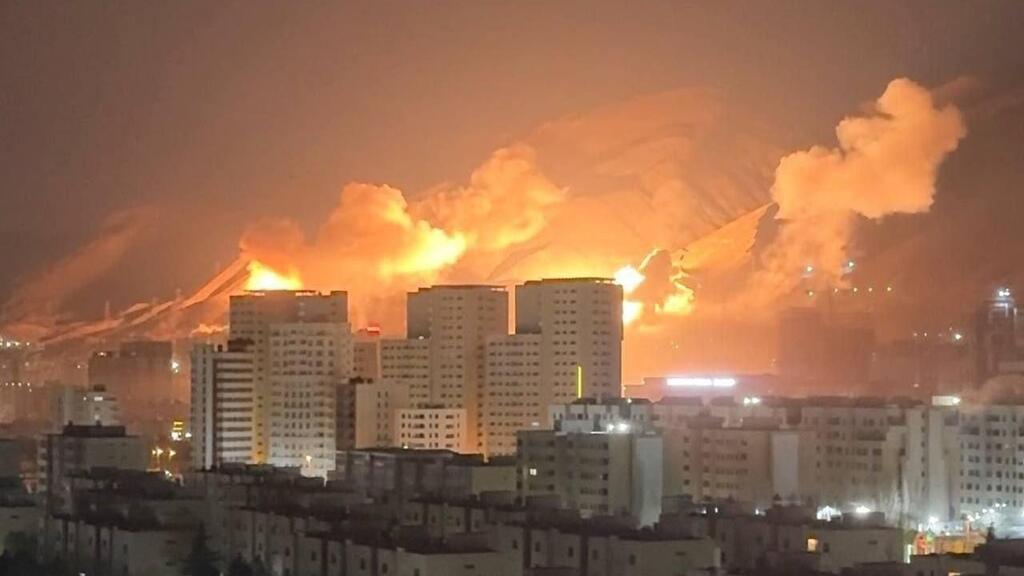
Israel does not want another limited confrontation, another cycle lasting several days in which strikes are carried out, missiles are launched, tactical achievements are recorded and statements are issued, only for both sides to eventually return to roughly the same point.
After a prolonged period of war, with military forces and the home front under strain and air defense systems heavily used, Israel has little interest in entering another round merely to claim another tactical achievement.
The goal is different: not another round, but a change. That is where the issue of infrastructure and energy comes into focus. If a decision is made to launch a significant operation, Israeli officials understand that creating a genuine strategic impact may require more than additional strikes on military targets, missile sites or nuclear facilities.
Even damage to nuclear sites alone would not necessarily create the desired outcome. Strikes on Iran’s critical infrastructure and energy systems could create a different kind of pressure.
The cost of war
Iran is a large country with a complex economy that is already weakened, and its energy infrastructure is central to its ability to function.
Significant damage to those systems would not only represent a military achievement. It could affect the economy, industry, production capabilities and the regime’s ability to sustain a prolonged campaign. In that sense, energy could become not only a military target but a strategic pressure point.
The meaning would be a shift from a campaign aimed at damaging Iran’s military capabilities to one designed to significantly increase the price the regime pays.
But that approach also carries major risks. A strike on strategic infrastructure and energy systems could lead to far wider escalation. Iran could respond forcefully against Israel, U.S. forces and American interests in the region. It could activate its network of proxies and attempt to expand the conflict to additional fronts.
Therefore, if Trump decides to act, he will have to determine not only whether to strike, but what outcome he wants to achieve. Is the goal another exchange of blows, or a move that creates a fundamental change in the balance?
That is the heart of Israel’s dilemma. Israeli officials understand that a limited strike could inflict serious damage on Iran, but that Tehran could eventually begin rebuilding. It could restore damaged infrastructure, replace lost capabilities and attempt to return to the same trajectory.
The real test, therefore, is not only how many targets are destroyed. The question is whether Israel and the United States are prepared to carry out a move that produces a different result.
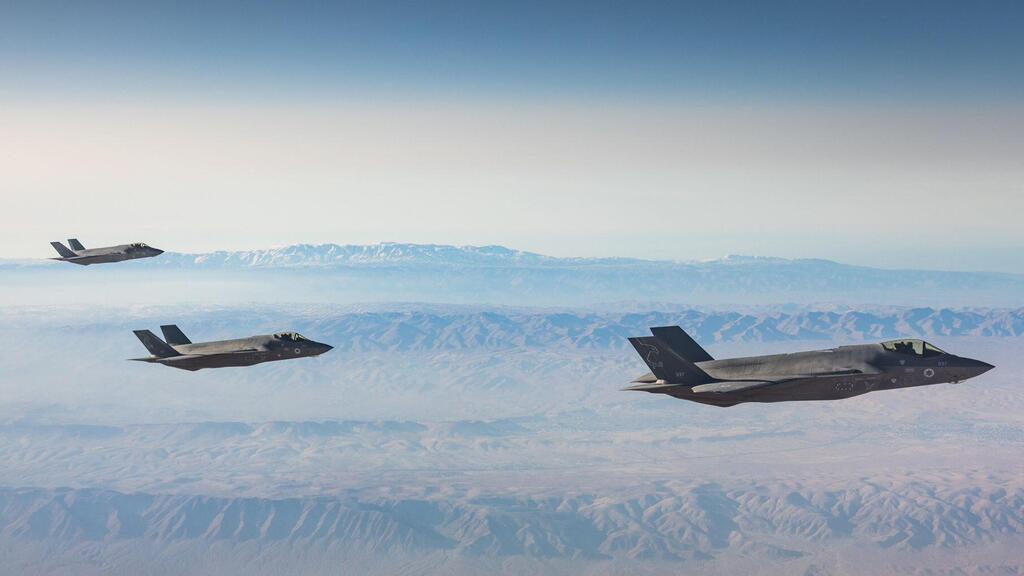
Israeli F-35 on their way to strike Iran during Roaring Lion
(Photo: IDF)
The cost of another confrontation is not only measured in direct military consequences. It includes reserve mobilization, extensive air force operations, the use of expensive interceptors, wear on aircraft and crews, disruption to daily life and resources diverted from other fronts.
That is why Israel does not want another campaign merely to achieve another tactical success. If it enters a new operation, officials want a clear purpose and a clear result.
This is also the difference between another round and a strategic move. A round can end with a ceasefire. A strategic operation is supposed to change reality even after the aircraft return to their bases.