


The IDF is making clear that the cabinet’s decision to take over Gaza will inevitably lead to a call-up of reservists. The statement came against the backdrop of a large surprise drill held Sunday to test the readiness of the IDF’s general headquarters and various branches.
“We’re giving Southern Command the time to properly plan the operation together with division commanders, and the chief of staff will approve the main concepts by the end of the week,” the military said following the cabinet’s decision. “We will definitely call up reserves, and the question will not be if — but how many. The assessment is not only about Gaza, given the olive harvest season in the West Bank this fall. We will take the holiday season into account. We’ll present several alternatives according to the operational methods chosen, and those will be finalized later.”
Footage of Sunday morning's surprise drill
(Photo: IDF)


At 5 a.m. on Sunday, the IDF chief of staff unexpectedly launched the general staff-level drill. IDF inspection teams arrived at the various commands to evaluate preparedness for sudden, multi-front terrorist scenarios inspired by October 7. All the IDF’s main headquarters were drilled, along with their war rooms. The exercise examined how weekend-duty officers performed during the crucial first 90 minutes until reinforcements arrived. Readiness was tested in the air, at sea and on land, including special forces — though not all were physically deployed.
“Readiness and availability were checked down to the guard post level and the weapons on hand at the time of the drill,” the army explained. Scenarios also included domestic security and cross-border incidents in cooperation with the police and Mossad. The basic suspected infiltration order — the procedure for shifting from a sudden wartime incident to full-scale war — was activated. The exercise also tested communication between commands, the logistical challenge of moving forces, and decision-making on where to deploy them.
Gallery
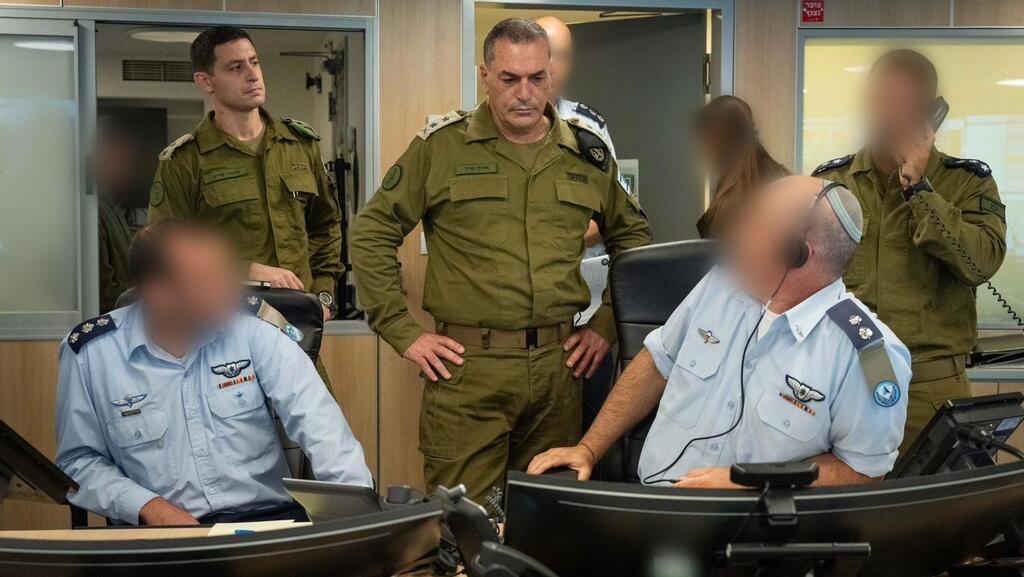
Chief of Staff assesses the situation at the IDF's high command post during surprise drill
(Photo: IDF Spokesperson's Unit)
“The multi-front deployment relative to the Gideon tank formations challenged us greatly, and there was a timing issue in sending forces to sudden incidents along the Jordanian border,” according to a statement from the IDF. “We’ve seen cases of pickup trucks able to quickly reach the borders from both Jordan and Syria without warning. We haven’t seen any failure or collapse like on October 7 so far. We did identify the difficulty and complexity of moving significant air and ground forces to the eastern border on short notice, which is why the resilience of the communities themselves and the sectoral forces comes into play when 15 pickup trucks storm a single community. Golani and Kfir basic training bases were scrambled, along with combat helicopters and navy missile boats to the gas rigs.”
Get the Ynetnews app on your smartphone: Google Play: https://bit.ly/4eJ37pE | Apple App Store: https://bit.ly/3ZL7iNv
The scenario included a breach of the Jordanian border at three points in the south and center, a drone attack on Ramon Airport in the Arava, rocket and UAV fire toward one of Israel’s offshore gas rigs, and shooting attacks in the West Bank, one of which took place on the major highway Route 6. These West Bank attacks were timed to coincide with the incursion from Jordan to divert attention. In addition, within the first four hours of the exercise, a missile barrage from Iran was also simulated.
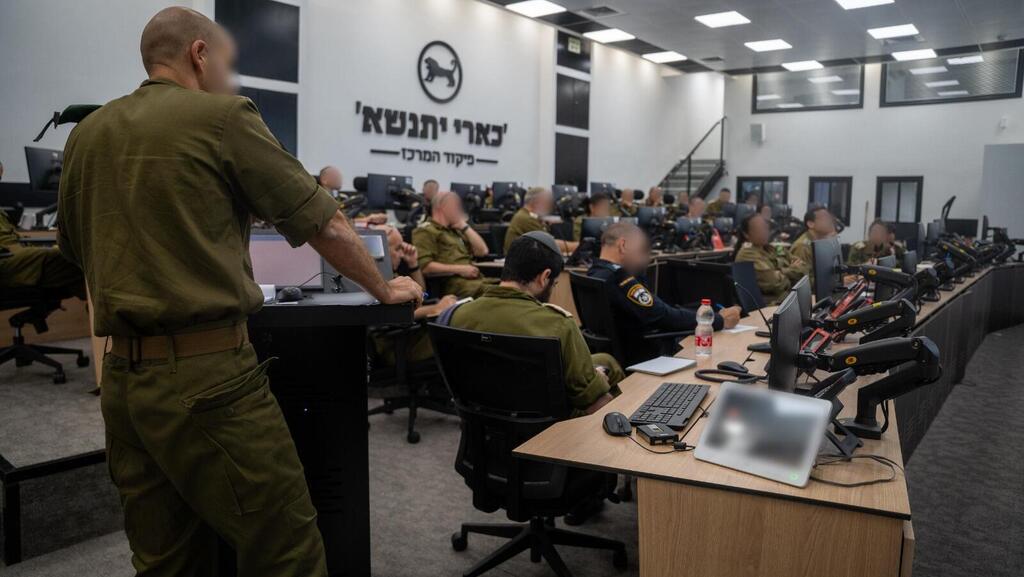
The IDF completed a surprise exercise to test the readiness of the General Headquarters and the main commands.
(Photo: IDF Spokesperson's Unit)
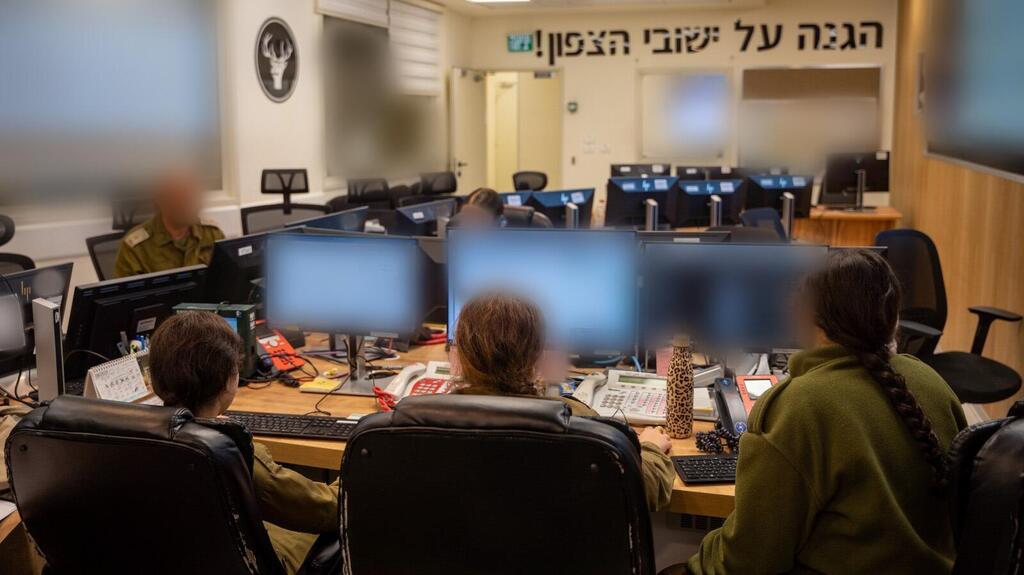
(Photo: IDF Spokesperson's Unit)
Following a dramatic 10-hour discussion, the cabinet decided early Friday morning to fully take over the Gaza Strip, despite IDF Chief of Staff Eyal Zamir’s opposition to the plan and the warnings he voiced during the meeting. In an official statement from the Prime Minister’s Office, released shortly before 5 a.m., it was announced that “the security cabinet has approved the prime minister’s proposal to defeat Hamas. The IDF will prepare to take control of Gaza City while providing humanitarian aid to the civilian population outside combat zones.”
Zamir was the most vocal and adamant opponent of the conquest plan, and the lengthy meeting saw heated clashes between him and ministers, marked by sharp remarks and raised voices. Zamir warned of the consequences of displacing about one million Gaza residents and of harming the hostages. In a confrontation with National Security Minister Itamar Ben-Gvir, the chief of staff stressed: “There is no humanitarian solution for a million people we transfer. Everything will be complex.” He jabbed at the ministers, saying: “I suggest you remove the return of the hostages from the war objectives.”