

They represent two extremes of the same Israeli reality. South Rothschild in Tel Aviv is a bustling nightlife and commercial district that ynet’s crime index ranks as the most dangerous neighborhood in Israel. At the opposite end is Complex 200 in Hod Hasharon, a quiet residential enclave ranked as the country’s safest.
What makes the comparison especially striking is their size. South Rothschild has 2,704 residents, while Complex 200 has 2,657. But that is where the similarities end.
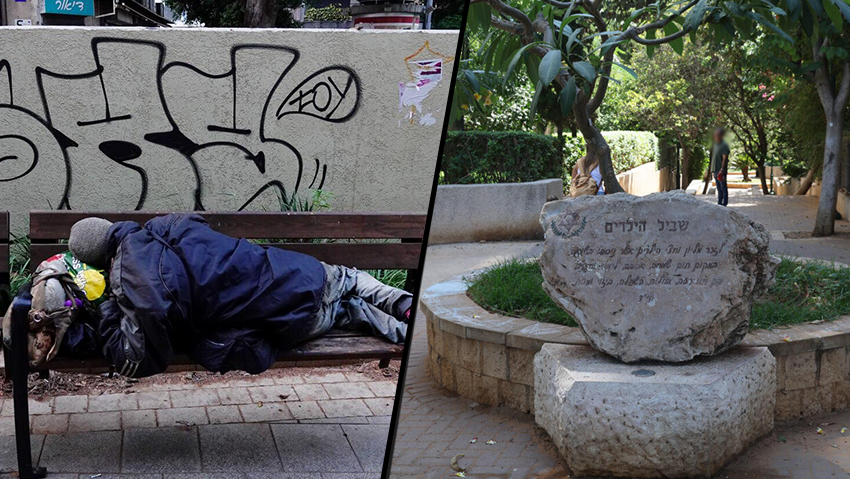
In 2025, South Rothschild recorded 1,246 criminal offenses, compared with just six in Complex 200. A visit to both neighborhoods reveals how dramatically different urban environments can shape everyday perceptions of safety.
‘We don’t walk around here at night’
South Rothschild has undergone a striking transformation in recent years. Once a gray industrial area, it has become a fashionable urban district filled with boutiques, furniture and ceramics studios, bars, restaurants, wine venues and music.
Alongside that revival, however, is a very different reality.
According to ynet’s crime index, based on police data analyzed by Israeli real estate information company Madlan, South Rothschild was Israel’s most dangerous neighborhood in 2025. Its 1,246 recorded offenses amounted to 460.8 crimes per 1,000 residents, despite representing a roughly 10% decline from the previous year.
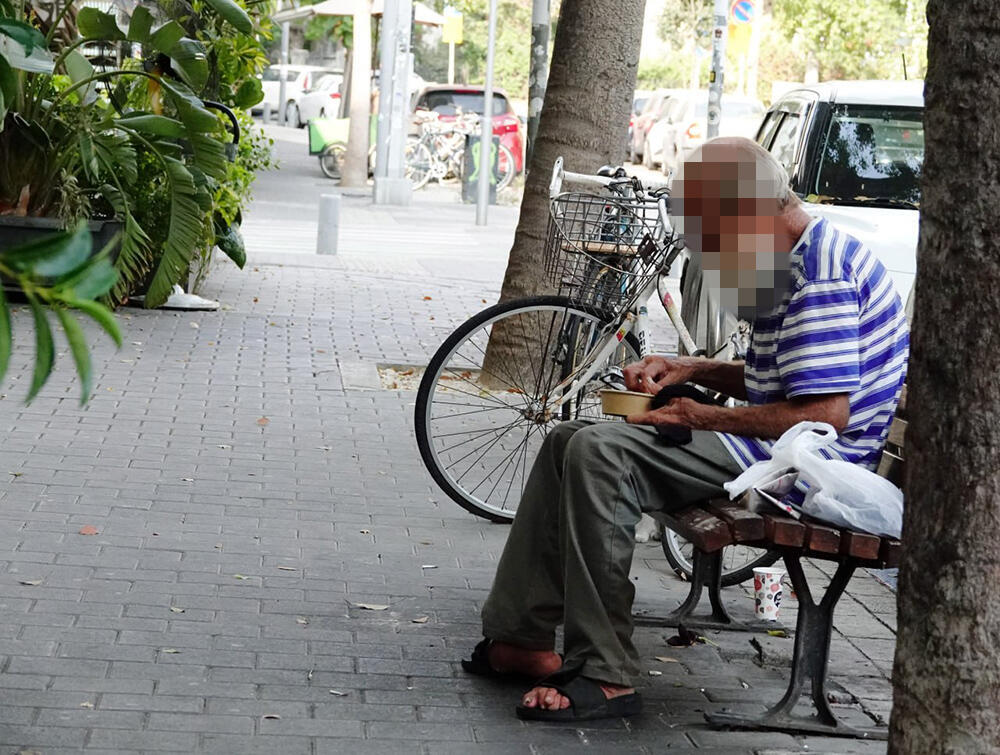
South Rothschild in Tel Aviv
(Photo: Shaul Golan)
Among neighborhoods with more than 2,500 residents, it ranked 779th and last for safety.
People who live and work in the neighborhood describe a place where trendy businesses and urban neglect, nightlife and fear can exist only meters apart.
Alona, who works at a hummus restaurant on Levontin Street and has lived in the neighborhood for two years, said encounters with homeless people have become part of everyday life.
One night, while walking her dog near Allenby and Levontin streets, she said a woman began shouting abuse at her without apparent reason. Alona initially ignored her, but the woman followed her, shouted, cursed and spat in her direction before eventually throwing what appeared to be yogurt and another drink at her.
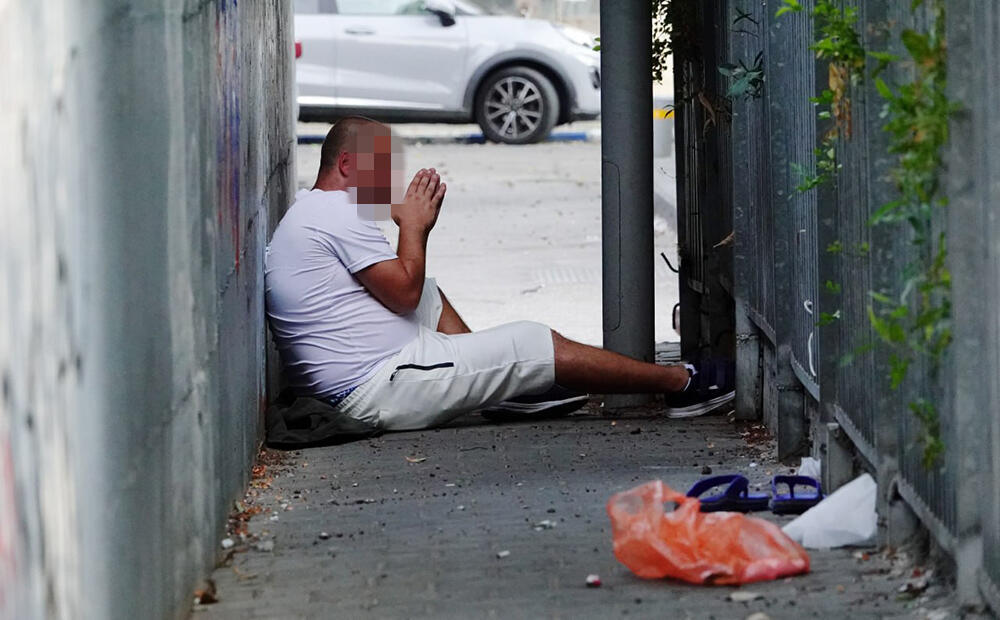
(Photo: Shaul Golan)
Two young men nearby eventually intervened.
Businesses have also adapted to conditions on the street. Nati, who works at a local printing business, described thefts and attempts to enter the premises, as well as vehicle break-ins nearby.
He said he does not feel afraid during the daytime, but the situation changes after dark.
“We don’t walk around here at night,” he said, adding that employees finish work at 4 p.m.
‘The girls can go out without us worrying’
About 15 miles northeast, life in Complex 200 in Hod Hasharon looks very different.
Ranked Israel’s safest neighborhood for 2025, the residential area recorded only six offenses during the entire year, equivalent to 2.3 crimes per 1,000 residents.
The neighborhood occupies roughly 47 acres between Weizmann, Zalman Shazar, Yitzhak Ben-Zvi and Hankin streets. Once agricultural land filled with citrus orchards, construction began there in 1990.
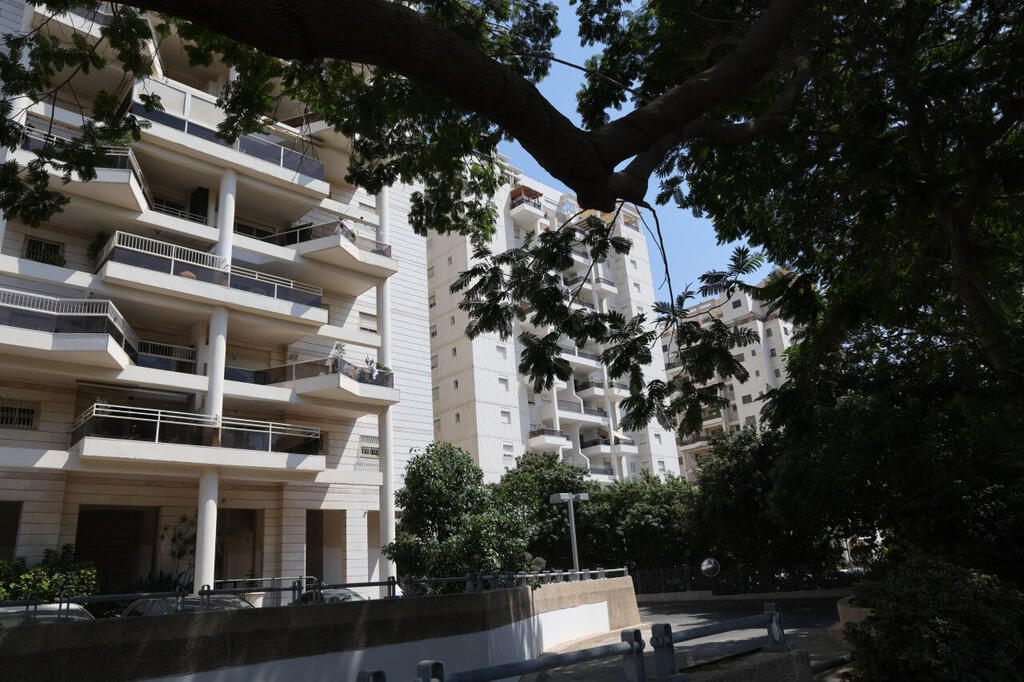
Complex 200 in Hod Hasharon
(Photo: Yariv Katz)
Today it contains about 1,000 homes, combining houses and apartment buildings surrounded by trees, pedestrian areas and traffic-calmed streets. At its center is the Children’s Path, dedicated to the 1.5 million Jewish children murdered in the Holocaust.
Residents say the physical design contributes directly to their sense of security.
“It’s really enjoyable living here,” resident Shir Gilad told ynet and Yedioth Ahronoth. “There’s a sense of security for children who can go downstairs and play without problems because there are no roads inside the complex.”
Resident Noa Levy also described the neighborhood as exceptionally safe, although she noted that housing prices are high.
“There’s investment in everything around us,” she said. “There’s an internal path, everything is well maintained and everything is close.”
Her sister, who grew up in the neighborhood from the early 2000s, said familiarity between residents also contributes to the atmosphere.
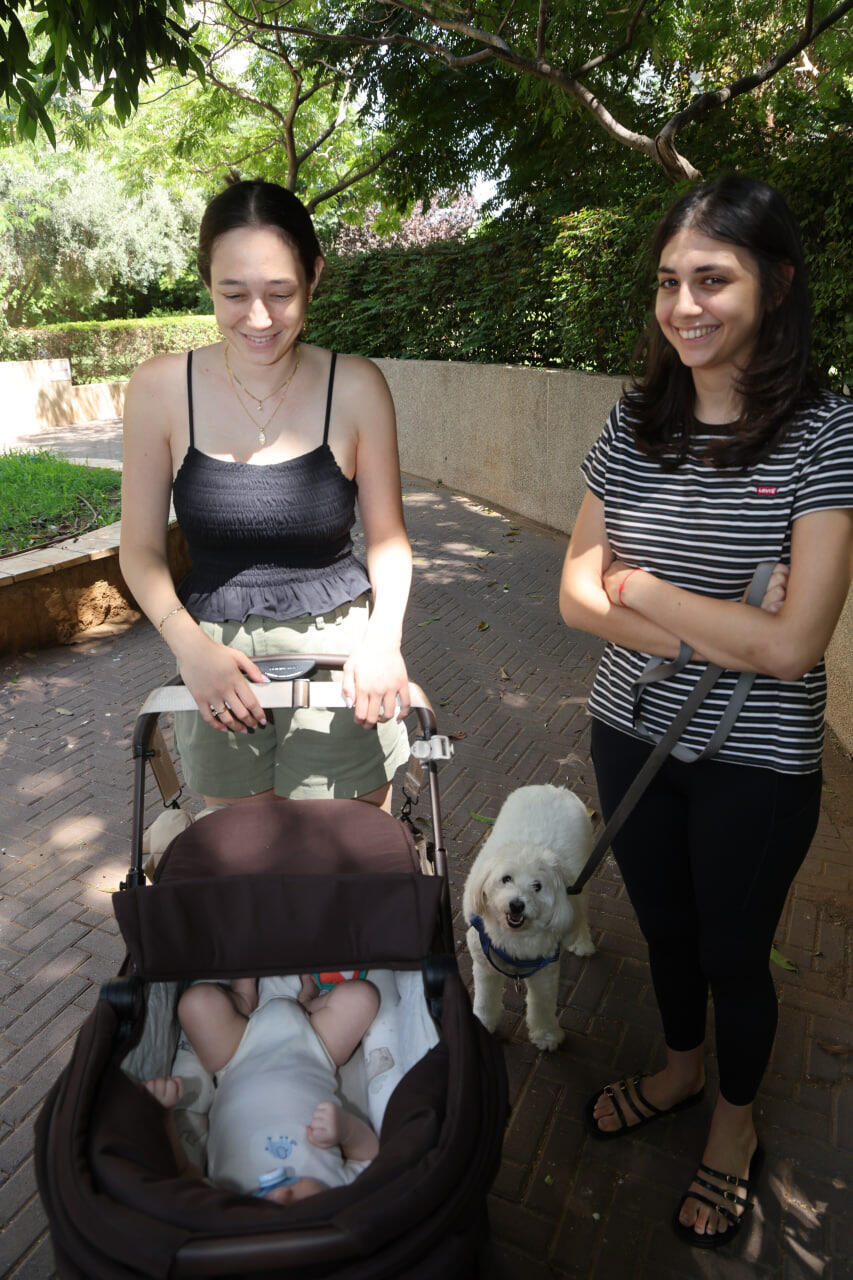
Shir and Noa
(Photo: Yariv Katz)
“Even when you take the dog out, there’s no fear because everyone already knows each other,” she said.
Noa Hirsch moved to the neighborhood from Herzliya with her family in 2019 and said its layout was one of the main attractions.
“As a mother, it’s a relief that when my daughters go to friends in the neighborhood, I don’t have to worry because they don’t need to cross a road,” she said. “I know they’re inside the community.”
South Rothschild and Complex 200 have almost identical numbers of residents. Yet one recorded more than 200 times as many crimes as the other in 2025.
The contrast illustrates how profoundly the character of an urban environment can shape daily life: in one neighborhood, workers organize their routines around when they feel comfortable being outside; in the other, parents describe allowing their children to move around the community with almost no concern.