

Three decades after Tupac Shakur was gunned down in Las Vegas, the man convicted of orchestrating the rap legend's murder is set to be sentenced Tuesday, facing life in prison without the possibility of parole. Duane "Keffe D" Davis, 63, a former gang leader whose own public accounts of the killing became central to the prosecution's case, is the only person ever charged in one of hip-hop's most notorious murders.
Davis was convicted in August of first-degree murder with the use of a deadly weapon, nearly 30 years after Shakur was fatally shot near the Las Vegas Strip. The rapper was just 25 and at the height of his career when he was killed, leaving behind a musical legacy that has continued to influence generations of artists. His music, exploring hardship, love and the struggles of Black Americans, remains widely celebrated, while his growing film career was cut short.
Gallery
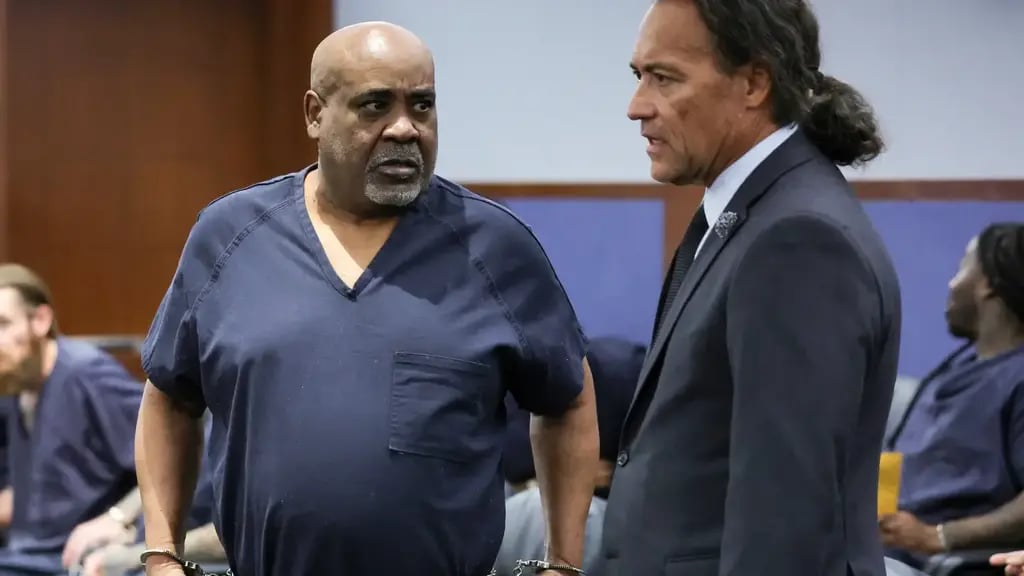
Duane Davis, left, talks with his attorney Michael Sanft in Clark County District Court during a calendar call and motion hearing for Davis’ upcoming trial
(Photo: AP)
On September 7, 1996, Shakur was riding in the passenger seat of a black BMW driven by Death Row Records co-founder Marion "Suge" Knight when a white Cadillac pulled alongside them at a red light. Gunfire erupted, striking Shakur multiple times. Knight survived the attack, but Shakur died from his injuries six days later.
How the suspect's own words helped solve a decades-old murder
For years, the shooting remained unsolved despite intense public interest and numerous theories surrounding the rapper's death. The breakthrough came after Davis, a former leader of the South Side Compton Crips gang, began publicly discussing his involvement in interviews and a 2019 memoir. He described seeking revenge after Shakur and members of his entourage assaulted his nephew, Orlando "Baby Lane" Anderson, just hours before the shooting.
Davis said he had been riding in the front passenger seat of the Cadillac and passed a gun to someone in the back seat, from where the fatal shots were fired. He had previously spoken to investigators about the killing but avoided prosecution at the time because of an agreement with law enforcement. His subsequent public statements, however, became key evidence in the case against him.
During the trial, prosecutors argued that Davis organized the attack and supplied the murder weapon as part of a violent rivalry between the South Side Compton Crips and the Mob Piru gang, with which Shakur was associated through Knight. They relied heavily on Davis' statements to investigators, documentary filmmakers and others, portraying him as the driving force behind the killing even though he was not accused of personally firing the fatal shots.
The defense challenged the prosecution's case, pointing to the absence of physical evidence directly connecting Davis to the decades-old crime. His attorney argued that Davis had fabricated or exaggerated his involvement to attract attention and make money. After nine days of testimony in August, the jury deliberated for approximately three hours before returning a guilty verdict. Davis told the court he intends to appeal his conviction.
Tupac's family awaits sentencing as questions remain
Members of Shakur's family are expected to address the court at Tuesday's sentencing, including his siblings Maurice "Mopreme" Shakur and Sekyiwa "Set" Shakur. Following the verdict, prosecutor Binu Palal emphasized that the case was about more than the death of a cultural icon, saying that although millions regarded Shakur as a legend, his family had endured three decades without a loved one.
Palal also condemned Davis for publicly boasting about his involvement in the murder, saying those statements ultimately helped bring about his conviction. The family, he said, had been forced to listen for years as Davis openly discussed the killing of someone they loved.
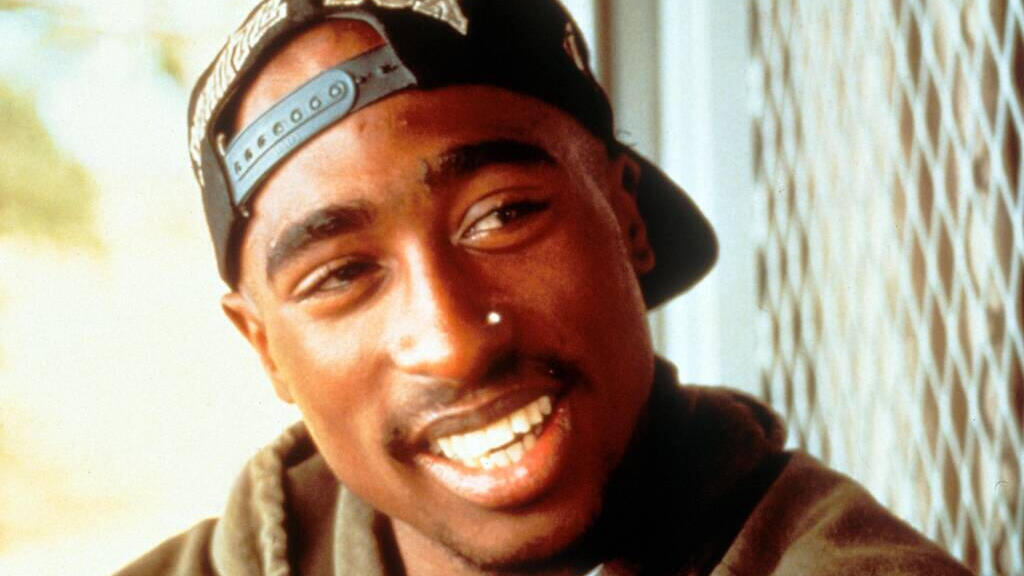
Tupac Shakur
(Photo: Reuters)
Davis remains the only person charged and convicted in Shakur's murder. The three other men believed to have been in the Cadillac have since died, including Anderson, whom Davis identified as the gunman. The trial also revived allegations involving music mogul Sean "Diddy" Combs, whom Davis accused in his memoir and public statements of offering money to have Shakur and Knight killed. Combs, who is serving a four-year prison sentence following convictions for prostitution-related offenses, has repeatedly denied any involvement in Shakur's death.
Witnesses testified that Combs had used members of the South Side Compton Crips for security during his time with Bad Boy Records, but prosecutors have said they lack sufficient evidence to charge anyone else in the murder. Clark County District Attorney Steve Wolfson said following the verdict that investigators could reconsider additional charges if new evidence emerged, but that the available evidence did not currently justify further prosecution.