

Iran’s attorney general warned Wednesday that the judiciary would take a “firm stance” against anyone seeking to exploit recent protests over the rising cost of living to undermine stability in the Islamic Republic, as authorities reported a relative calm in the capital after several days of unrest.
In remarks broadcast on state television, Attorney General Mohammad Movahedi-Azad said that from a legal standpoint, nonviolent demonstrations aimed at defending livelihoods were understandable. However, he warned that any attempt to turn economic protests into actions that spread insecurity, damage public property or advance agendas devised abroad would “inevitably face a proportionate and decisive legal response.”
protesters attacking provincial government building in Iran’s Fars province


The warning came as the protests — the largest to hit Iran in three years — appeared to subside, at least temporarily. AFP reported around midday that calm prevailed on the streets of Tehran, and Iranian media had not reported new demonstrations or riots, except for one incident in which protesters, according to authorities, attacked a provincial government building in the south of the country.
Iranian opposition groups in exile reported that demonstrations took place Wednesday in several cities, including Tehran, Isfahan and Shiraz, but those claims could not be independently confirmed. Opposition sources said protesters in the city of Fasa, in Fars province, attacked a provincial government building there, apparently the incident referred to by authorities. The opposition television channel Iran International reported, citing “online reports,” that an 18-year-old was killed during protests in Fasa, though there was no official confirmation.
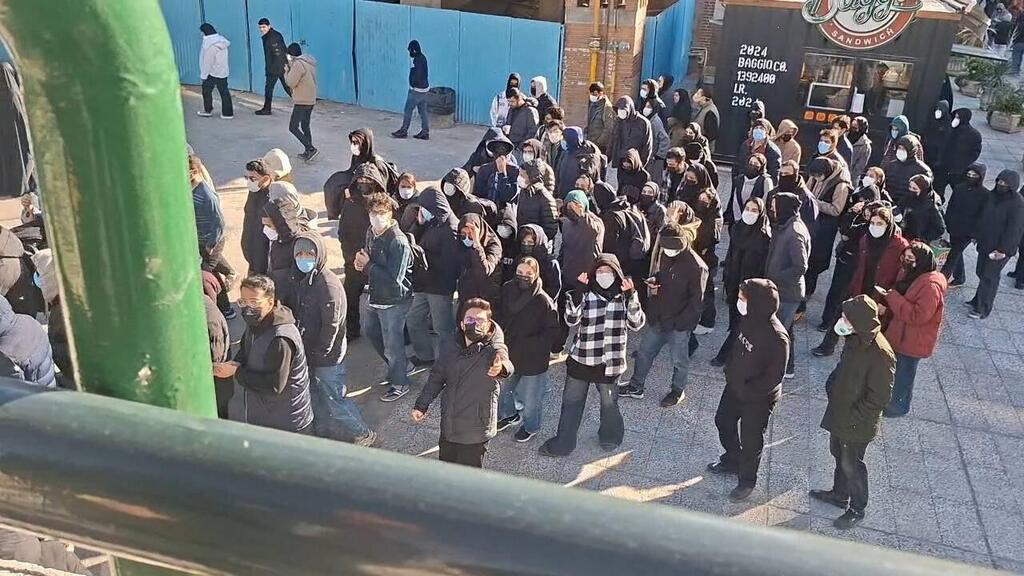
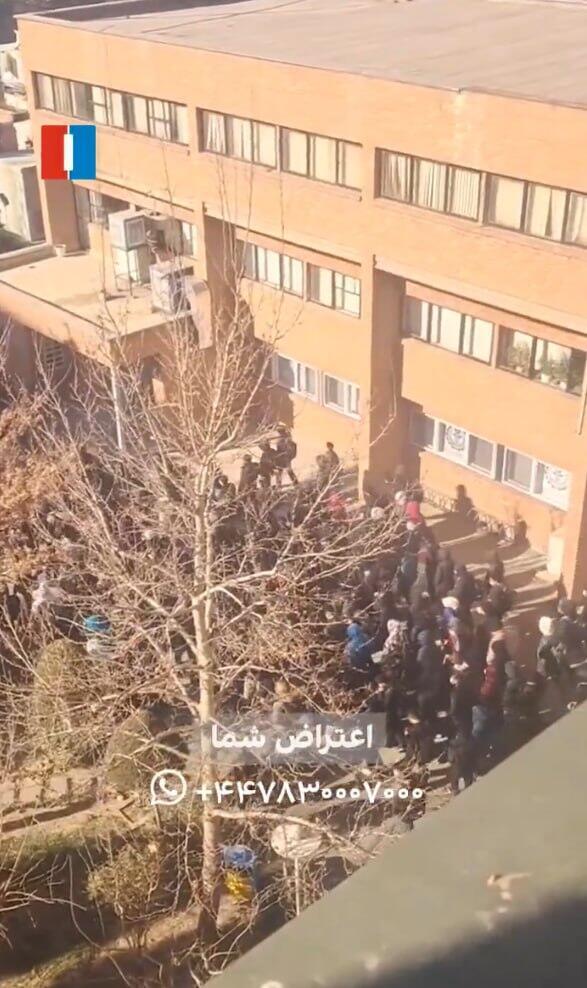
Students protest against the government at Yazd University this week
(Photo: Majid Asgaripour/WANA (West Asia News Agency) via REUTERS )
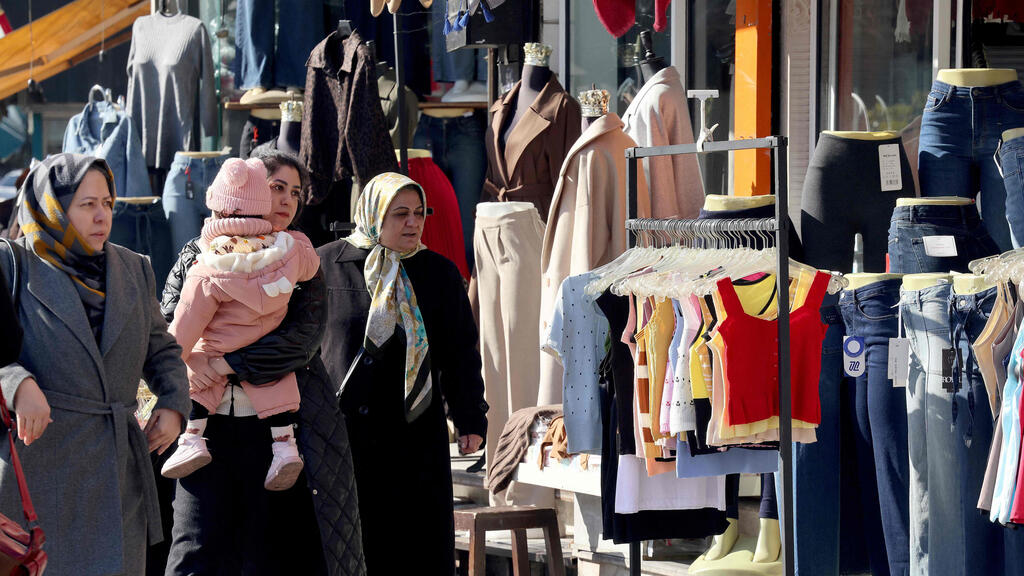
The protests began Sunday as a spontaneous demonstration by merchants in Tehran’s Grand Bazaar and quickly gained momentum, with students at at least 10 universities in the capital and other cities joining in. They were sparked by soaring inflation and the sharp fall in the value of Iran’s currency, the rial, which has made it increasingly difficult for citizens — already burdened by more than two decades of Western sanctions over Iran’s nuclear program — to afford food and basic goods.
After three days of protests, from Sunday through Tuesday, AFP reported that the lull in Tehran followed government orders to close schools, banks and public institutions in parts of the city. Officials said the closures were due to a cold wave and efforts to conserve electricity, and did not link them to the demonstrations. Two prominent universities in Tehran, Beheshti University and Allameh Tabatabaei University, announced that all classes would be held remotely over the coming week for the same reason.
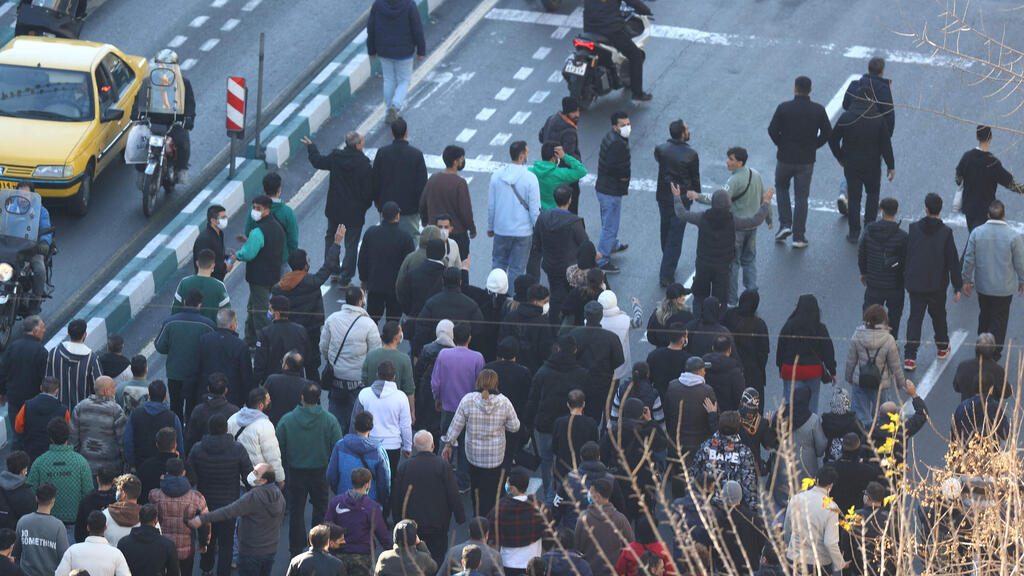
Protesters in Iran
(Photo: HANDOUT / FARS NEWS AGENCY / AFP)
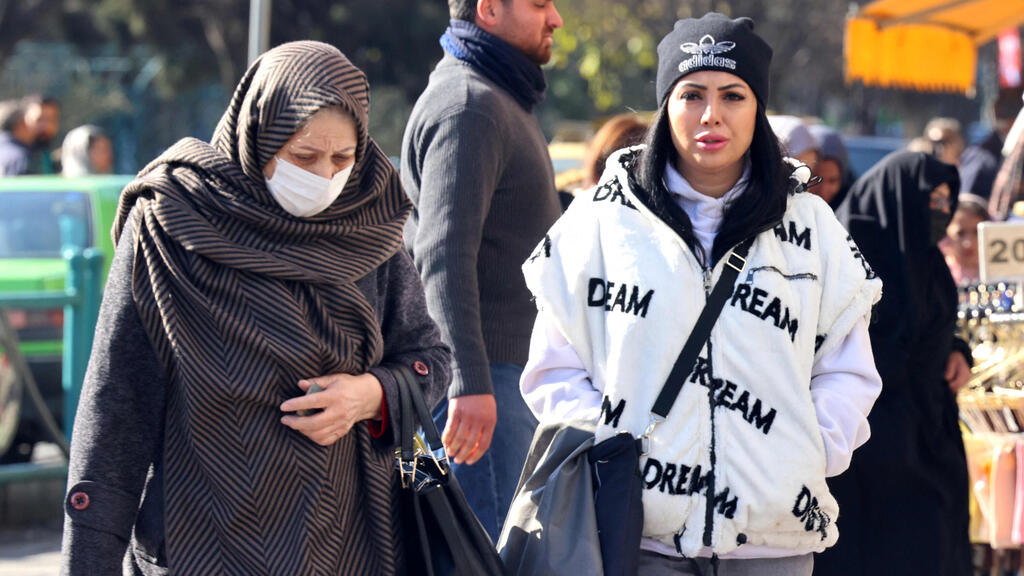
(Photo: ATTA KENARE / AFP)
In a move also seen as an attempt to signal responsiveness to public economic distress, the Iranian government on Wednesday appointed former economy minister Abdolnasser Hemmati as the new governor of the Central Bank of Iran. He replaces Mohammad Reza Farzin, who resigned on Monday after the rial fell to a record low against the U.S. dollar, a development that helped trigger the protests.
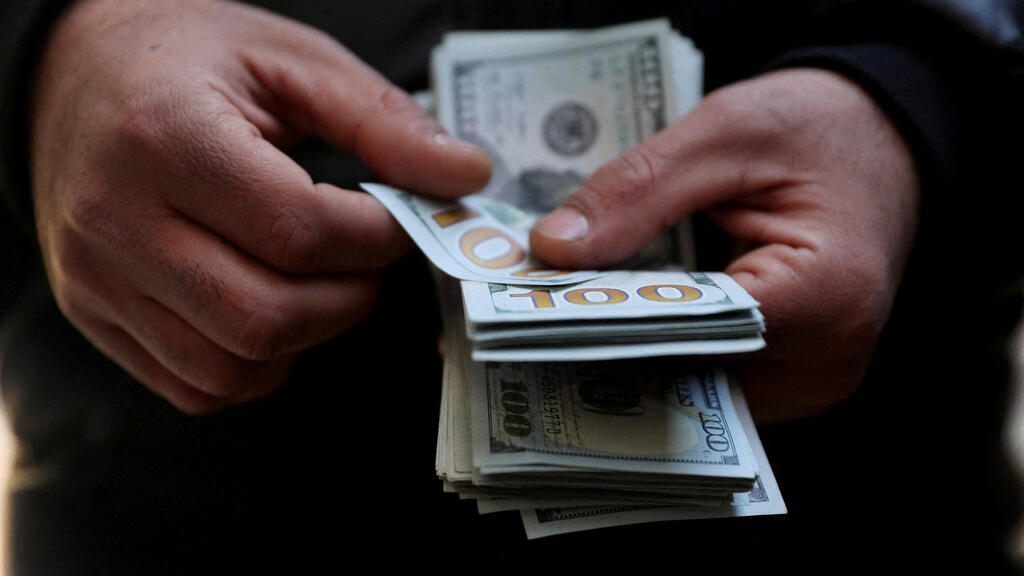
According to official reports, the dollar was trading at about 1.38 million rials on Wednesday, compared with 430,000 rials when Farzin took office in 2022. At the time of the 2015 nuclear agreement between Iran and world powers, one dollar was worth about 32,000 rials. That accord lifted most international sanctions in exchange for limits on Iran’s nuclear program, but later unraveled after then-President Donald Trump ordered the United States to withdraw from it in 2018.
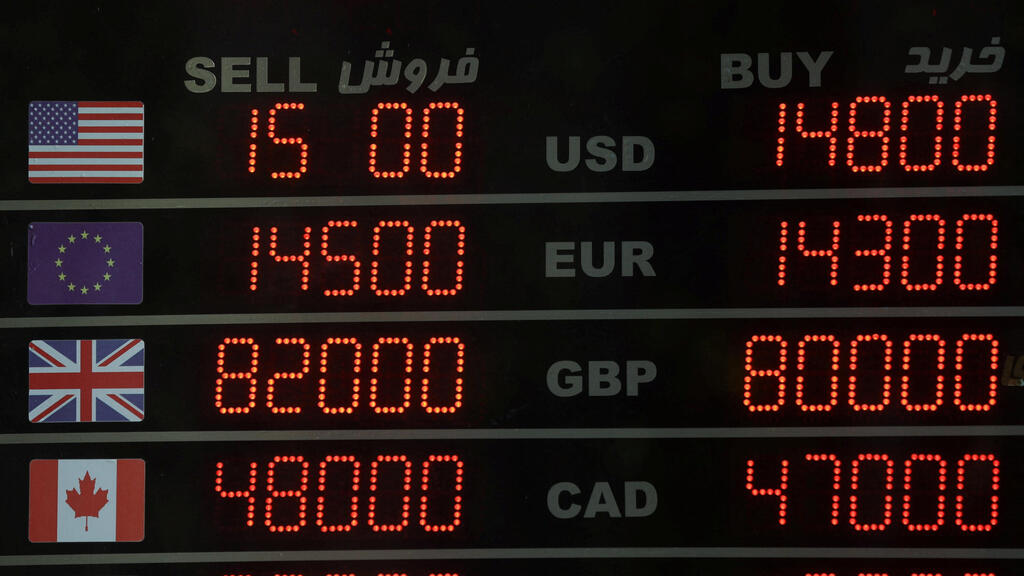
Exchange rates at stalls in Tehran
(Photo: Majid Asgaripour/WANA (West Asia News Agency) via REUTERS )
Government spokeswoman Fatemeh Mohajerani said one of the new central bank governor’s main goals would be to rein in inflation and strengthen the currency. Experts estimate inflation at around 40 percent, a key driver of public anger.
While the current wave of protests is the largest since 2022, it remains far smaller than the nationwide demonstrations that erupted that year over the death of Mahsa Amini, a young Iranian Kurdish woman who died after being detained by Iran’s morality police, or the unrest in 2019 sparked by a sharp increase in fuel prices, when security forces killed dozens, if not hundreds, of people as protests spread to hundreds of cities.