

In recent weeks, however, Iran has repeatedly attacked several neighbors, while Pakistan — largely spared — has emerged from relative irrelevance on the global stage to become a central mediator in efforts to end the war. It spearheaded a proposal for a two-week ceasefire and is set to host direct U.S.-Iran talks in Islamabad this weekend, marking a peak in its international standing.
Gallery
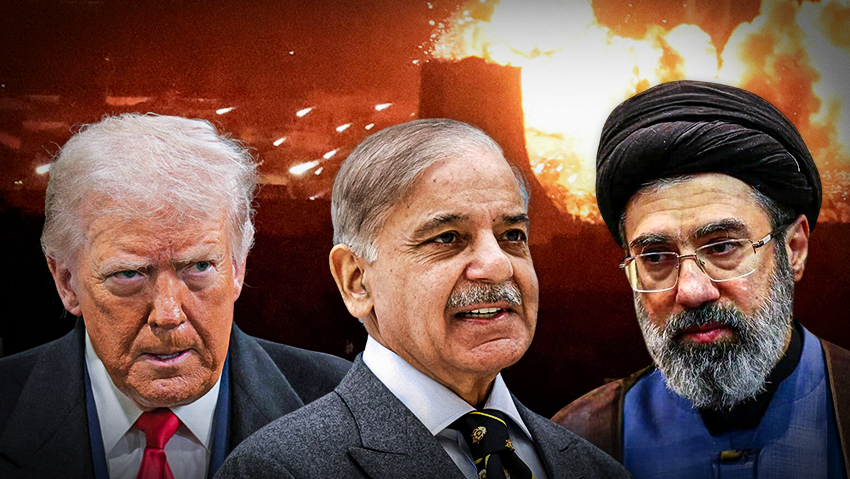
Iranian leader Mojtaba Khamenei, Pakistani Prime Minister Shehbaz Sharif and President Donald Trump
(Photo: Anna Moneymaker / AFP, ATTA KENARE / AFP, Sputnik/Alexander Kazakov/Pool via REUTERS)
Pakistan, a country of about 254 million people that shares a border with Iran, is one of the few U.S. allies in the region not targeted by Iran’s clerical regime during the war, in part because it does not host American bases. It has positioned itself as a neutral broker, aided by its close ties with China, which holds significant leverage over Iran.
According to reports, Pakistan’s army chief, Gen. Asim Munir — widely seen as the country’s de facto ruler — has led the mediation effort. He maintains close ties with senior Iranian Revolutionary Guard figures and with President Donald Trump, whom he has met three times over the past year.
A Guardian investigation published Thursday said Pakistan’s push was driven less by a quest for prestige than by concern over the war’s fallout. Pakistan relies heavily on Persian Gulf oil and was hit, like many countries, by Iran’s closure of the Strait of Hormuz. As part of mediation efforts, Iran allowed tankers flying the Pakistani flag to pass — what Trump called a “gift.”
Pakistan also signed a defense pact with Saudi Arabia last year and feared being drawn into a wider conflict if Riyadh joined U.S. and Israeli strikes on Iran.
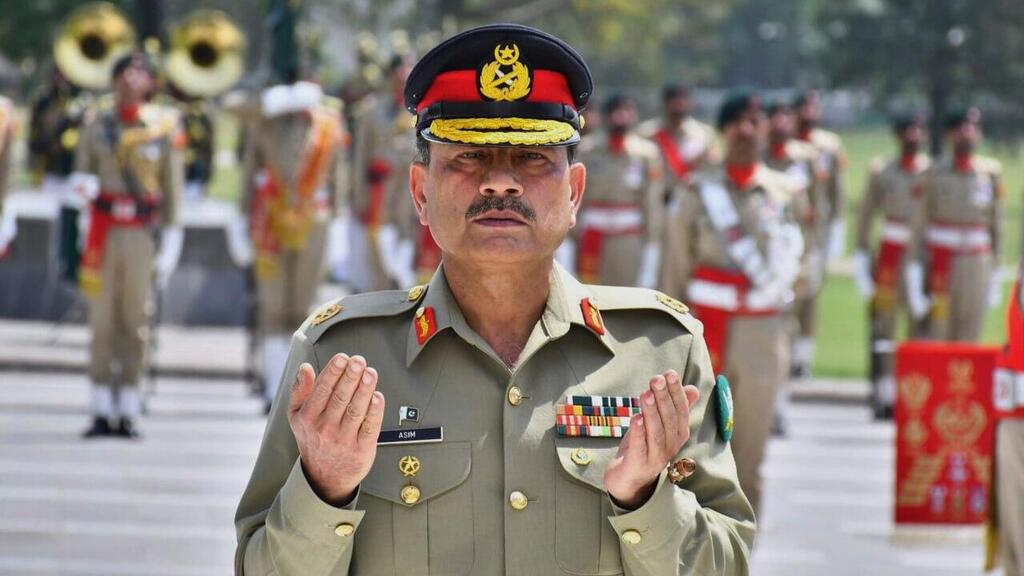
Pakistan’s army chief, Gen. Asim Munir
(Photo: Inter Services Public Relations via AP)
Hours before the temporary ceasefire took effect overnight Tuesday, pessimism was high in Islamabad. Prime Minister Shehbaz Sharif warned his cabinet: “We must prepare for the consequences of war. The situation looks very grim. The chances for peace are minimal.” The bleak outlook followed continued Israeli strikes in Iran, including on a petrochemical facility, and an Iranian attack on a Saudi site. Pakistan’s military issued an unusually sharp condemnation of Iran, saying it was undermining diplomacy.
Tensions escalated further after Trump warned that an “entire civilization” could die overnight.
Behind the scenes, Munir and Pakistan’s intelligence chief, Asim Malik, held intensive calls with both sides. U.S. participants included Trump, Secretary of State Marco Rubio, Vice President JD Vance and envoy Steve Witkoff. Iran was represented by Parliament Speaker Mohammad Bagher Ghalibaf and Foreign Minister Abbas Araghchi. Sharif also spoke with Iranian officials and Saudi Crown Prince Mohammed bin Salman.
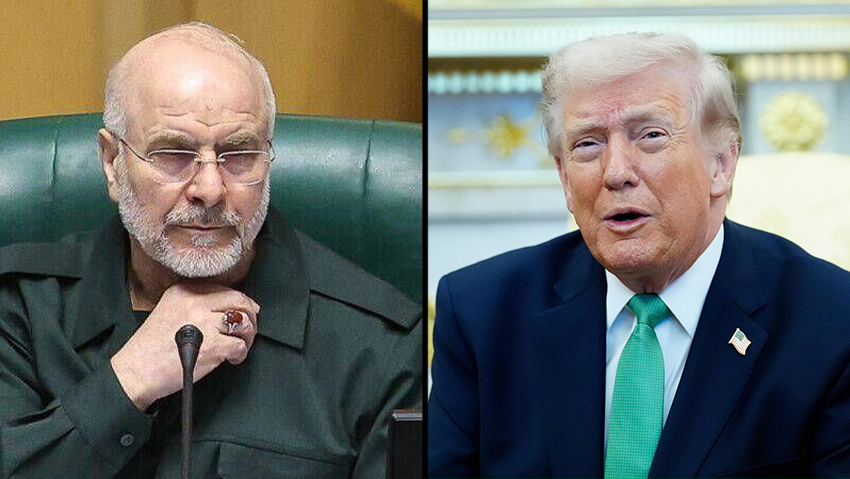
Mohammad Bagher Ghalibaf and Donald Trump
(Photo: AP Photo/Alex Brandon)
While U.S. Defense Secretary Pete Hegseth said Iran had “begged” for a deal, Pakistani officials told the Guardian both sides wanted the war to end. Iran, however, remained wary until late Tuesday, citing distrust of the Trump administration.
Officials said the turning point came with Chinese intervention. Beijing, initially reluctant to get involved in a conflict seen as weakening Trump, shifted course due to economic concerns. Pakistan enlisted China to press Iran to accept a ceasefire, with Beijing offering security guarantees for Iranian representatives attending talks — including assurances they would not be targeted.
“Pakistan was the mediator, but China played the central role,” one official said, adding that Beijing also guaranteed U.S. compliance and smooth talks in Islamabad. Trump later acknowledged China’s role in persuading Iran.
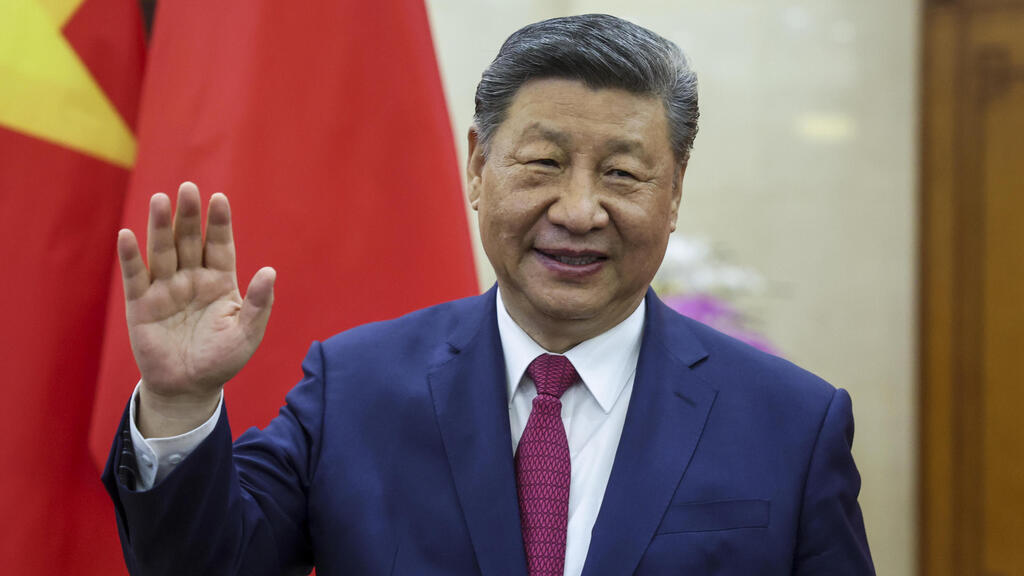
President Xi Jinping
(Photo: Athit Perawongmetha/Pool Photo via AP)
Details of the ceasefire remain unclear, and confusion persists. Sharif said the deal included Lebanon, while Iran protested ongoing Israeli strikes against Hezbollah. Israel and the U.S. denied Lebanon was part of the agreement, and Vance called it a “misunderstanding.” One U.S. columnist suggested the ambiguity may be intentional, reflecting Pakistan’s preference for flexible diplomacy.
Despite tensions, Iran’s ambassador to Pakistan said Tehran’s delegation would arrive in Islamabad for what he called “serious” talks, though he later deleted the announcement. Iranian officials said the delegation would include Ghalibaf and Araghchi. The U.S. side is expected to include Vance, seen by Iran as relatively acceptable due to his reported opposition to the war, along with Witkoff and Jared Kushner.
The talks are scheduled to begin Saturday, likely at Islamabad’s Serena Hotel, where guests have reportedly been asked to vacate rooms. Security in the capital has been tightened, and authorities declared two unexpected public holidays.
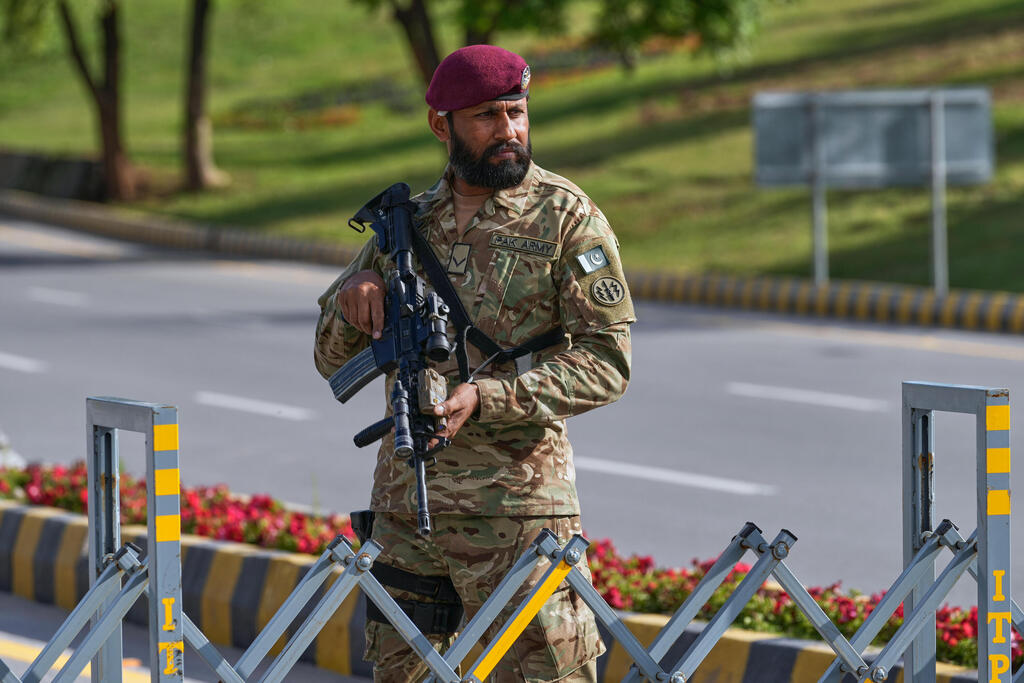
Pakistani troops in Islamabad ahead of talks between the US and Iran
(Photo: AP Photo/Anjum Naveed)
For Pakistan, hosting the talks would cap a major diplomatic comeback after years of being viewed as a marginal player despite its size. In Washington, it was long seen as an unreliable ally — cooperating in Afghanistan while maintaining ties to the Taliban — and its importance declined after the 2021 U.S. withdrawal. Former President Joe Biden did not speak with Pakistan’s prime ministers during his term.
Trump himself once sharply criticized Pakistan, accusing it of harboring al-Qaida leader Osama bin Laden and, in 2018, of offering the U.S. “lies and deceit.” In his second term, however, he has shifted course amid what U.S. media describe as a Pakistani “courtship campaign,” including proposed deals on minerals and cryptocurrency.
Pakistani officials have celebrated the ceasefire as a major achievement. Sharif called it a “brilliant success” and a first step toward peace. One local newspaper declared: “Pakistan saved a whole civilization.”