

French Prime Minister Sébastien Lecornu ordered regional authorities Monday to introduce localized curfews following a weekend of widespread rioting, looting and violent clashes with police across the country, as the government struggled to restore order after mass demonstrations over rising living costs and education funding.
Speaking after an emergency government meeting, Lecornu said the restrictions would be targeted at specific neighborhoods rather than entire cities, particularly in areas where businesses and public buildings had come under attack. He did not rule out declaring a state of emergency if the unrest continued, but said limited curfews were more appropriate for the time being.
Gallery
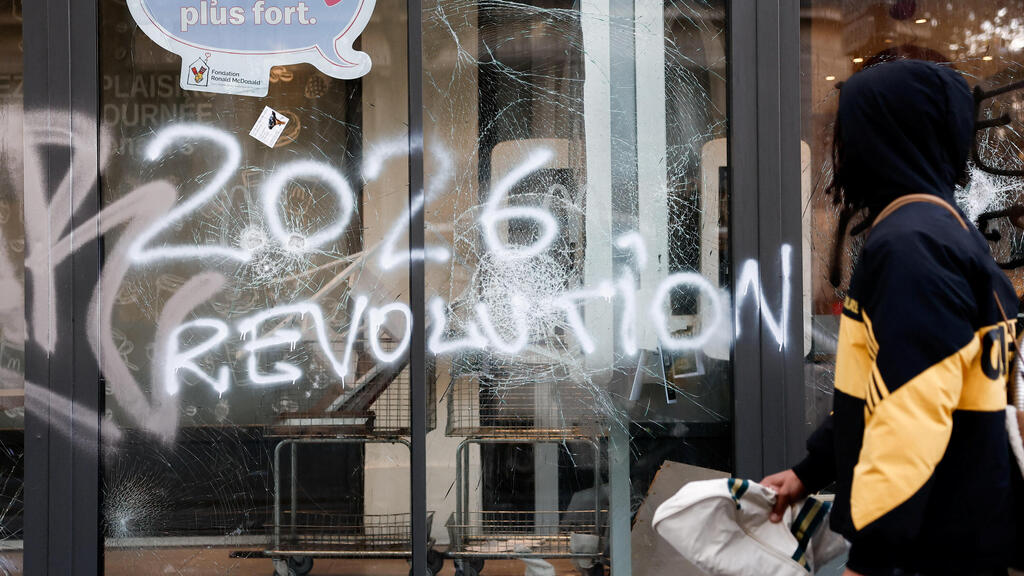
France imposes curfew in Lille as nationwide protests spiral into violence
(Photo: REUTERS/Benoit Tessier)
In the northern town of Denain, authorities introduced a nighttime curfew following disturbances involving vandalism, burning garbage containers and attacks on police. Initially imposed between 9 p.m. and 6 a.m. for all residents, the restrictions were subsequently eased Monday to apply only to minors in designated areas between 10:30 p.m. and 6 a.m. Curfews for minors were also introduced in Pointe-à-Pitre and Les Abymes in the French Caribbean territory of Guadeloupe, following violence in which three police officers were wounded by gunfire.
The situation in Lille remained less clear. Although a government source indicated that a curfew had been ordered, Mayor Arnaud Deslandes publicly opposed introducing a municipal restriction, arguing that a nighttime curfew would have little impact because violent groups had already gathered during the early evening. Lille was among the cities affected by serious disturbances over the weekend, including vandalism and attacks on public property.
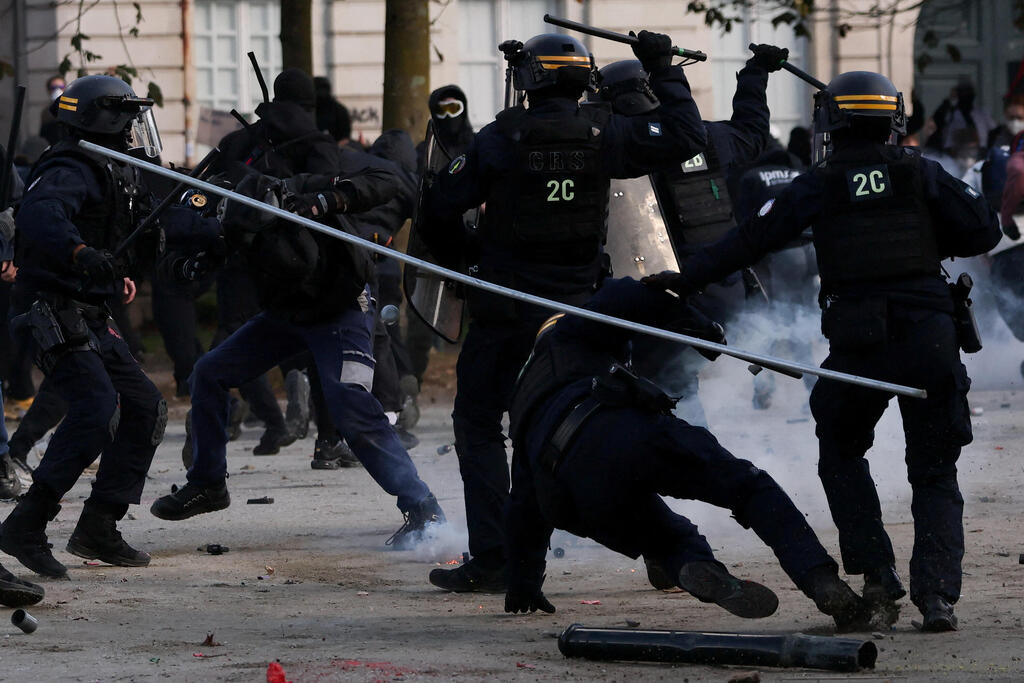
Clashes between protesters and police in Paris
(Photo: REUTERS/Stephane Mahe )
The unrest erupted Saturday during nationwide demonstrations against the rising cost of living, high energy prices and deteriorating conditions in public schools. Hundreds of thousands took part in protests, most of them peaceful, but violent groups clashed with police in Paris, Marseille, Lyon, Bordeaux and other cities. Storefronts were smashed, businesses looted and vehicles set ablaze.
Among the most dramatic incidents was the destruction of much of the historic city hall in Limoges, where a fire swept through the building following clashes. More than 2,000 people were arrested nationwide during the unrest, while government officials estimated that at least 3,000 businesses had been damaged or looted.
Lecornu accused extremist groups and opportunistic rioters of exploiting legitimate grievances to provoke violence. Interior Minister Laurent Nuñez offered his resignation over failures in the security response, but President Emmanuel Macron rejected it. The government also announced emergency financial assistance for affected businesses and a tougher judicial response to those responsible for the destruction.
The crisis has intensified pressure on Macron's government ahead of the 2027 presidential election. With protest organizers already calling for another round of demonstrations next Saturday, authorities face a growing challenge: preventing further violence without restricting the right to peaceful protest.