

Nearly two-thirds of Israelis oppose the ceasefire with Iran, though the public is divided over whether Israel should uphold the two-week truce or resume attacks, according to a poll by the Hebrew University of Jerusalem.
The survey, conducted by Hebrew University’s Agam Labs, is the first national poll since the United States and Iran agreed last week to a ceasefire brokered by Pakistan. Talks over the weekend in Islamabad failed to produce a broader agreement to end the war.
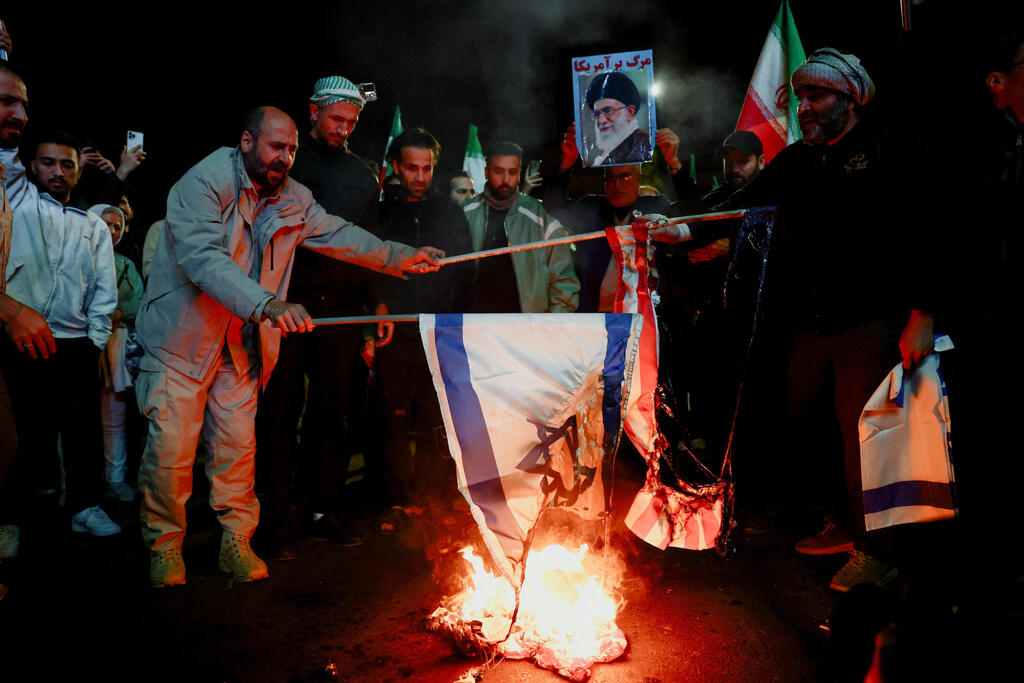
(Photo: Majid Asgaripour/WANA (West Asia News Agency)/Reuters)
The ceasefire has halted U.S. and Israeli airstrikes on Iran, but fighting continues on another front. In Lebanon, clashes between Israel and the Iran-backed Hezbollah group have persisted, with ongoing strikes and rocket fire in the north.
According to the poll, 61% of Israelis oppose extending the ceasefire to include Hezbollah, a key demand raised by Iran during negotiations with the United States.
When asked about Iran, 39% of respondents said Israel should resume attacks, 41% said it should respect the ceasefire, and 19% said they were unsure.
The poll surveyed 1,312 Israelis between April 9 and 10, with a margin of error of 3.2%.
The findings come as Israel prepares for a prolonged regional conflict, with officials assessing that threats from Iran, Lebanon, Gaza and other fronts cannot be eliminated entirely.
Public perception of the war also carries political implications. Support for Prime Minister Benjamin Netanyahu has declined since the start of the conflict, with 34% of respondents saying they prefer him as prime minister, down from 40% at the outset of the war.