


There may be no job in the U.S. military more stressful, demanding and prestigious than commanding US Central Command, known as CENTCOM.
The geographic command, one of 11 that cover the globe, oversees a region stretching from the Middle East through the Persian Gulf and Central Asia to Pakistan, encompassing 20 countries that have been at the center of much of America’s military activity since the first Gulf War.
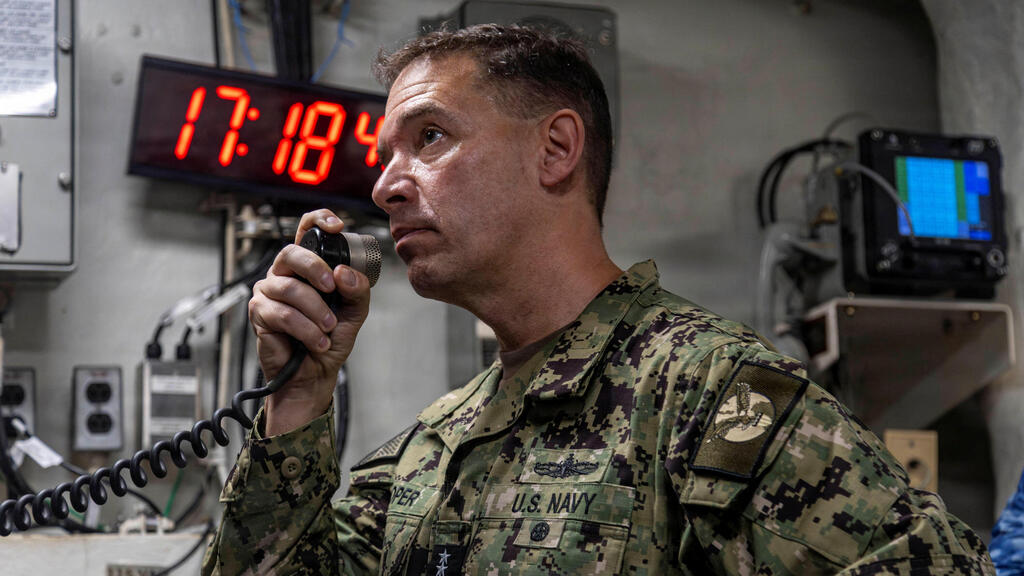
Like predecessors such as Gen. Norman Schwarzkopf and Gen. David Petraeus, the commander of CENTCOM often becomes a larger-than-life figure in American military history. But the job also demands results.
And when the commander serves under a president like Donald Trump, it also requires a keen political instinct.
Adm. Brad Cooper, the current CENTCOM chief leading the war against Iran, appears to possess that skill.
Cooper, 58, assumed the post only last August. He is the first naval officer since 2008 to take the job, which is typically held by Army generals.
He is now implementing a war plan against Iran that has existed in some form inside the Pentagon for years. Previous presidents ultimately chose not to activate it, in part because of the consequences now unfolding: volatile markets, the Strait of Hormuz effectively closed, 13 US troops killed and about 140 wounded so far.
Pressure is also mounting in Congress for answers about the war’s exit strategy and about the bombing of a girls’ school on the conflict’s first day, an attack that reportedly killed 168 people, including dozens of girls.
At least some of those answers will have to come from Cooper. Otherwise, he knows Trump would not hesitate to make him the fall guy.
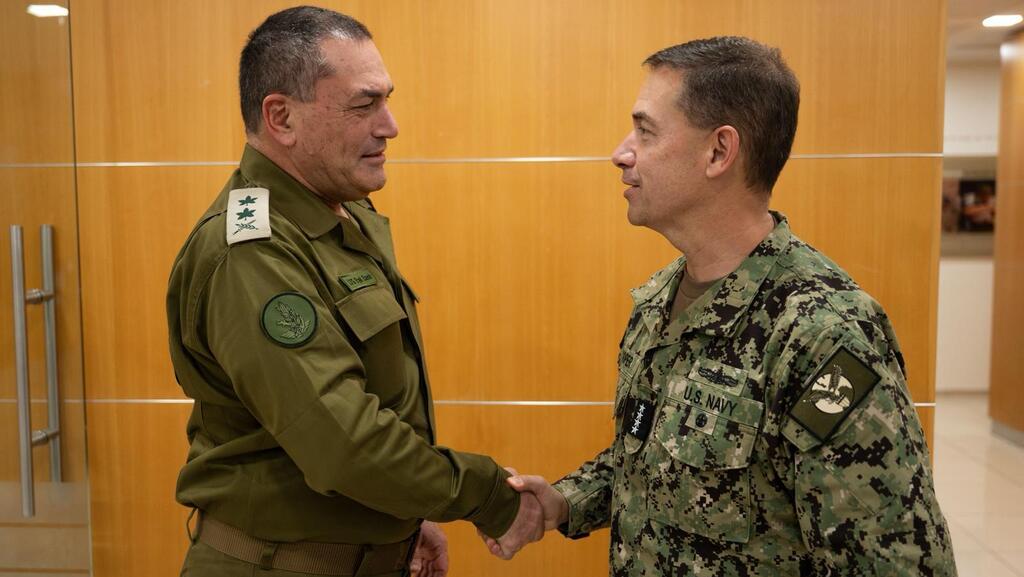
IDF chief Eyal Zamir and Adm. Brad Cooper
(Photo: IDF)
The general who does not panic
Brad Cooper grew up the son of a US Army officer who fought in the Vietnam War. Military strategy was familiar to him from an early age.
During his first year at the US Naval Academy, classmates recall him climbing onto a cafeteria table during a debate about naval battle groups and using ketchup bottles, cups and utensils to simulate ships and military equipment.
Cooper graduated from the academy in 1989 and took part in the first Gulf War in 1991.
Over the next three decades, he served in multiple operational theaters, from Africa to the Pacific. At the Pentagon, he also headed the Navy’s legislative affairs office, dealing closely with Congress.
In 2021, he was appointed commander of US naval forces in the Middle East, based in Bahrain. The position exposed him directly to Iranian tactics, capabilities and threats.
While stationed in the region, Cooper led efforts to intercept weapons Iran was smuggling to proxy groups, deepened military cooperation between Gulf states and Israel following the Abraham Accords, and oversaw a maritime coalition of more than 30 countries.
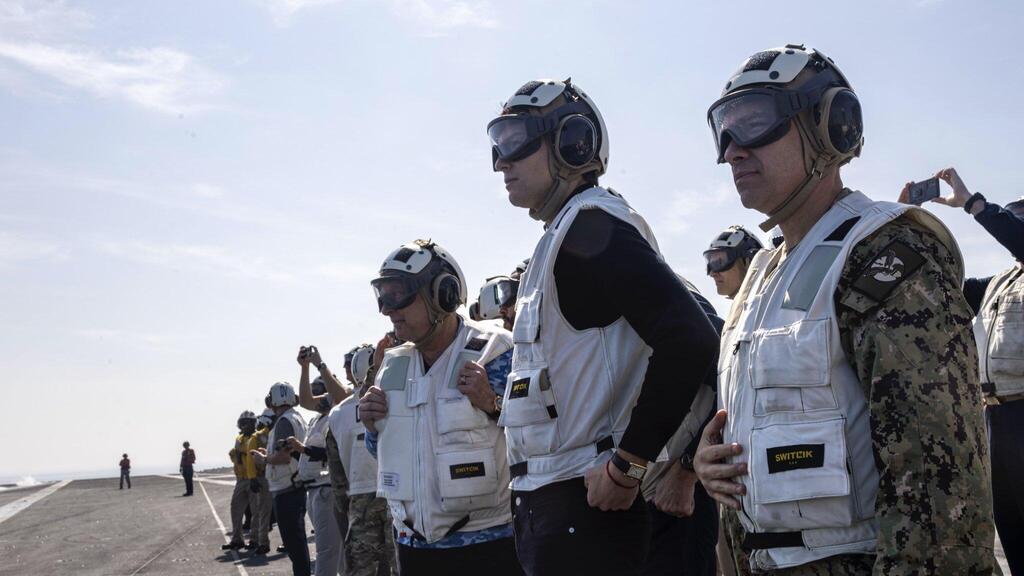
Brad Cooper, Jared Kushner and Steve Witkoff aboard a US aircraft carrier
(Photo: X)
Those relationships helped him build ties with political and military leaders across the region.
People who have worked with Cooper say he is suited to the current moment not only because of his military skills but also because of his political instincts.
They describe him as calculated, decisive and calm under pressure.
"When Brad Cooper calls you in the middle of the night with a problem, he has already thought it through," retired Gen. Frank McKenzie, the former CENTCOM chief, told The Wall Street Journal. "He can explain it clearly and he already has a solution."
Former Navy officer Michael Brasseur added, "He shows no signs of stress. He’s not tired. He’s always in shape. I think he almost thrives under pressure. He listens to critics and takes everything into account, and he’s very optimistic."
From aircraft carriers to diplomacy
Dozens of officials interviewed by CNN said Cooper proved effective throughout his three-decade naval career not only with lawmakers overseeing military budgets in Congress but also with partners in the Middle East.
He has shared a Shabbat dinner with IDF Chief of Staff Lt. Gen. Eyal Zamir, visited United Arab Emirates President Mohammed bin Zayed Al Nahyan and even played basketball with Syria’s president, former jihadist Ahmed al-Sharaa.
Associates sometimes call him a "diplomat in uniform."
His connection to Israel is particularly notable.
"Omer made the ultimate sacrifice we hope no soldier will ever have to make, though many still do in the service of a greater cause," Cooper said.
An Israeli military official told CNN that after five years commanding the US Fifth Fleet in the region, nearly every Israeli commander had worked with him.
Cooper has visited Israel numerous times and reportedly speaks almost daily with Chief of Staff Zamir, sometimes several times a day.
In a rare move for a senior military officer, he also joined Trump’s son-in-law Jared Kushner and US envoy Steve Witkoff in indirect diplomatic talks with Iran in Oman.
Both Kushner and Witkoff later visited the aircraft carrier USS Abraham Lincoln at Cooper’s invitation.
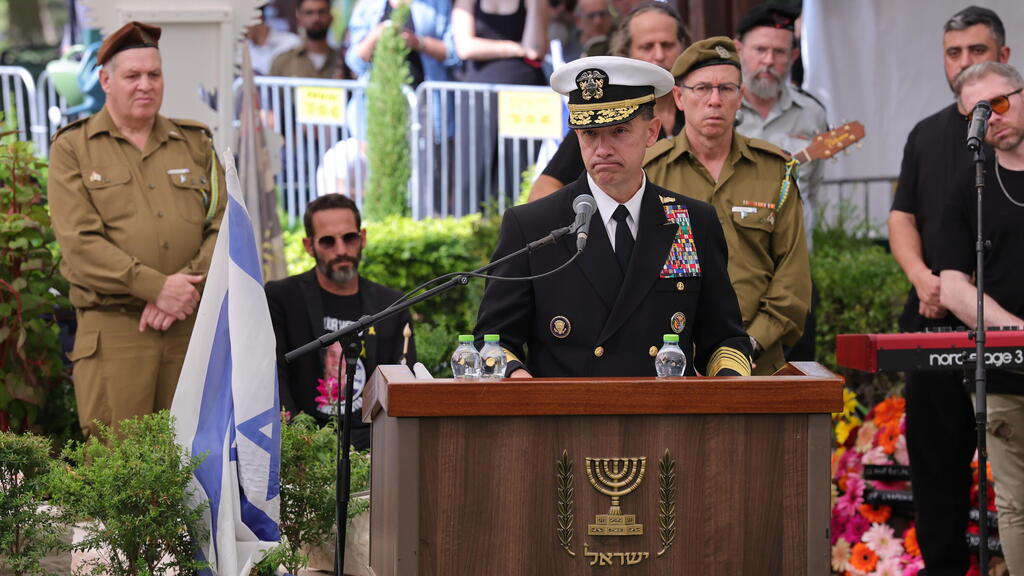
Adm. Brad Cooper during the funeral of Omer Neutra
(Photo: Oz Mualem)
"Omer made the ultimate sacrifice we hope no soldier will ever have to make, though many still do in the service of a greater cause," Cooper said.
Trump’s choice
Cooper replaced Gen. Michael "Erik" Kurilla, whose commanding personality reminded many of Schwarzkopf.
Kurilla, known for his dramatic style, became something of a legend among troops, though he often preferred to operate behind the scenes.
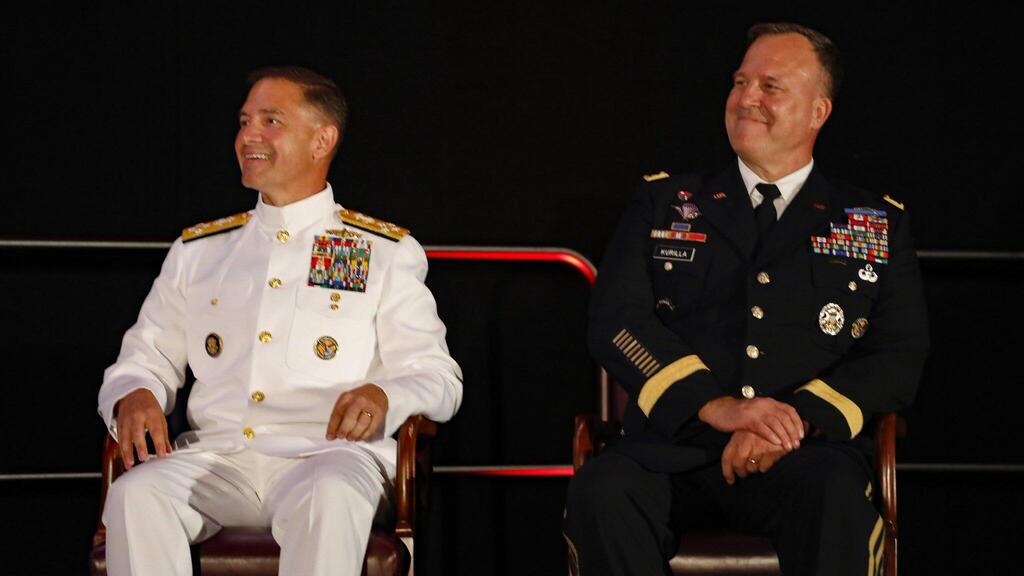
Cooper replaced Gen. Michael "Erik" Kurilla
(Photo: CENTCOM )
Following the October 7 Hamas terror attack, Kurilla and Cooper worked closely together.
"They were an extraordinary team during one of the most challenging periods the Middle East has ever faced," said Brett McGurk, who served as the White House’s Middle East coordinator under former President Joe Biden.
"When Kurilla prepared to retire, he told Trump directly that Cooper should replace him."
Despite their close relationship, Cooper differs from Kurilla in nearly every respect. He is physically smaller, speaks more softly and spent most of his career commanding naval vessels rather than ground forces.
But colleagues say he understands something essential about the job of a four-star commander.
"He’s a politician," one source told CNN. "He shakes hands, seems genuinely interested in what you say and remembers people’s names. He grasped that side of being a four-star general far better than Kurilla."
Under Cooper, CENTCOM’s messaging has at times appeared more political, with frequent references to Trump in press releases and videos.
At times, he even echoes the language of Defense Secretary Pete Hegseth.
In a message to troops at the start of the war, Cooper urged them to remain "relentlessly lethal," a phrase Hegseth often uses.
Admiration for Cooper may be widespread in Washington and across the Middle East.
But ultimately, his future will depend on whether he delivers results for the White House.