

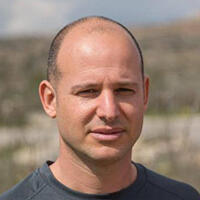
In the early morning hours, as the Nur Shams refugee camp near Tulkarm lay silent, senior terrorist Iyhab Abu Atiyeh left his home. His routine was familiar: every morning between 9 and 11, he traveled a road near the camp to meet a terror operative from Nablus and receive funds for attacks. For Israeli intelligence agents who had been monitoring his movements, there was a narrow six-minute window to act—identify him, launch a drone, and eliminate the threat.
Lt. Col. Netanel Shamkeh, commander of the Ephraim Brigade, was stationed that day at the battalion’s command center. He remained in direct contact with forces deployed around the camp, ready to seal the entrances and block any escape. Abu Atiyeh, along with another armed man, was positively identified. Moments after they entered their vehicle and began driving, a drone was in the air. Once the car reached a safe zone away from civilian homes, Shamkeh gave the order. A precision missile struck the vehicle and destroyed it. “There was no doubt we hit our target,” said a senior military official.
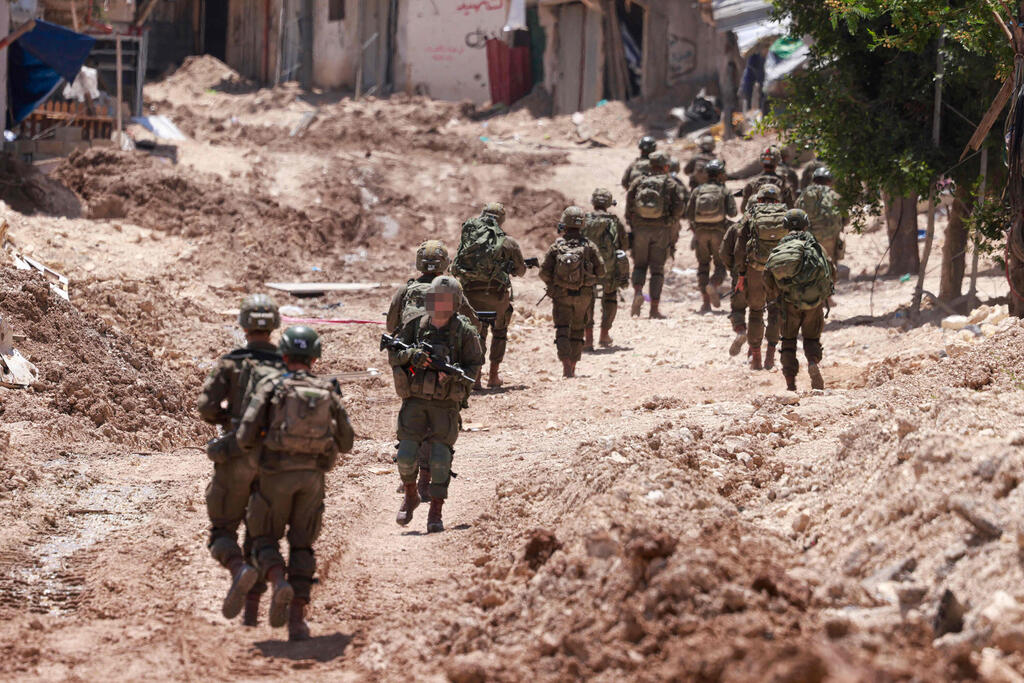
The IDF immediately launched a broader operation. Forces entered the camp, closed off eight access points, and engaged in armed clashes. Several terrorists attempting to flee were shot. What began as a preemptive strike evolved into an extended confrontation that continues to this day.
A shift on the ground
Three and a half months after the launch of Operation Iron Wall—initially focused on Jenin and later expanded to Tulkarm and Nur Shams—the landscape in the northern West Bank has been transformed. A tour of the camps with Shamkeh reveals a stark new reality: dozens of homes destroyed, alleyways widened into roads, and buildings reduced to rubble.
"About 1,500 residents have left Nur Shams," Shamkeh told Ynet. "Of roughly 100 terrorists who once controlled the camp, only 20 to 30 remain, either in hiding or on the run. The entrances, once booby-trapped and patrolled by armed men under Hamas and Islamic Jihad flags, are now quiet. Today I can walk through the area unarmed. That kind of freedom didn’t exist even during Operation Defensive Shield."
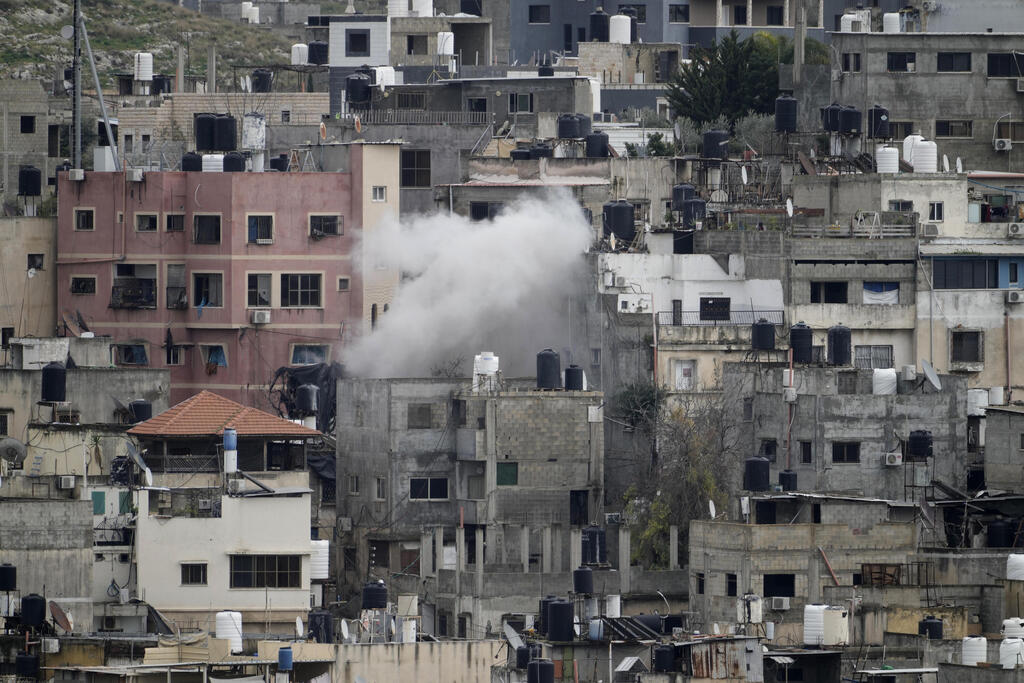
(Photo: AP)
The operation also exposed a variety of threats: an anti-tank missile believed to have come from Gaza, improvised explosive devices made from gas canisters, and weapons buried beneath the surface. “One of those could have taken out an entire platoon,” Shamkeh noted, holding a discarded canister found on the roadside.
While the camp has been largely cleared, life continues in the city of Tulkarm itself. Markets are open, shops selling spices and jewelry operate as usual, and schools have resumed. “The army’s presence is part of the fabric here now,” Shamkeh said. “People used to throw stones at us and open fire. Now they understand we’re not going anywhere. The city is alive again.”
Targeting terror leaders
Operation Iron Wall is not only about retaking ground. It is also focused on eliminating top terror operatives—those who fueled the rise of local armed groups inside refugee camps. One prominent example is Nur Bitawi, the Islamic Jihad commander in Jenin, who was killed in Nablus.
“He recruited fighters from multiple factions,” a senior intelligence source said. “He controlled the area around Jenin—funding, operations, weapons displays. He was charismatic and people followed him.”
Bitawi had long been sought by Israeli forces. He was among the targets of a rare October 2023 strike on the Al-Ansari Mosque in Jenin, where at least two terrorists were killed. A tunnel beneath the mosque led to other parts of the camp. Bitawi and his associates, hiding there, were planning a large-scale attack modeled after the massacre of October 7. He survived that attempt and continued his activities.
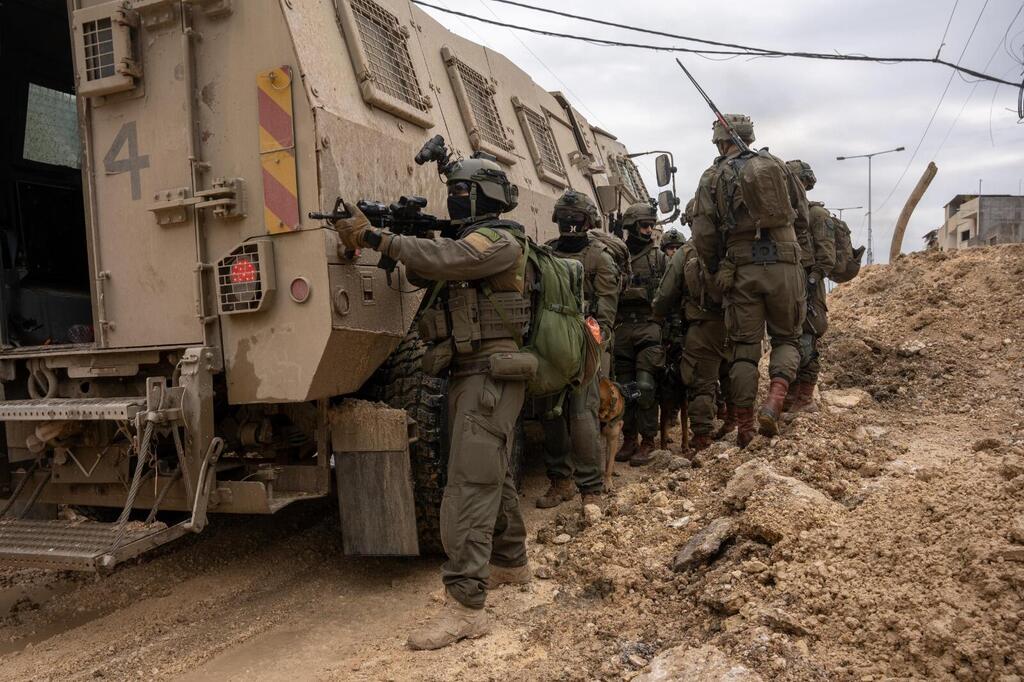
(Photo: IDF Spokesperson's Unit)
He is also believed to have taken part in the deadly shooting attack in the village of Funduq in January that killed police officer Elad Yaakov Winkelstein, Aliza Rais, and Rachel Cohen.
“These figures are not just wanted men,” the intelligence source said. “They are central figures in the terror infrastructure. When we take them out, it destabilizes the whole system. There’s been a significant drop in terror activity across the West Bank since the operation began, and that’s no coincidence.”
‘If we don’t act here, terrorists will reach Tel Aviv’
The scale of the infrastructure discovered raises tough questions. How were Hamas and Islamic Jihad terrorists able to operate so close to Israel’s heartland, building bomb-making labs and turning apartments into operational command centers?
Shamkeh, who took over the Ephraim Brigade two years ago, emphasized the importance of maintaining a permanent ground presence. “If we don’t continue what we call ‘mowing the grass,’ they will recover,” he said. “This doesn’t have to be permanent, but we can’t leave now.”
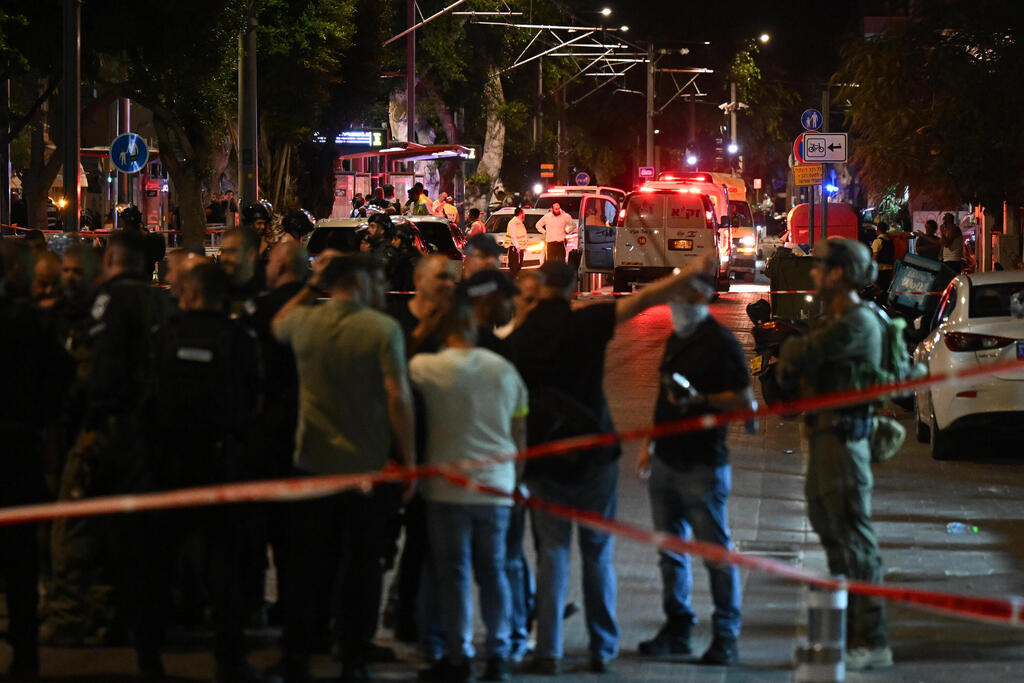
“You have to understand what Judea and Samaria represent,” he continued. “Iran fired 500 missiles at us and no one was killed. That same day, two terrorists came out of Hebron, attacked in Jaffa and murdered seven people. That’s the reality here. If we don’t want terrorists flooding Highway 6 or reaching Tel Aviv and Hadera, we have to clear this out. There’s no alternative to a physical presence.”
(Photo: Getty Images)
Shamkeh is ending his term in the West Bank this week and will assume command of the Givati Brigade, currently deployed in Gaza. The IDF is preparing for Operation Gideon’s Chariots, a campaign modeled after Iron Wall, combining aggressive raids, territorial control, and permanent deployment.
Get the Ynetnews app on your smartphone: Google Play: https://bit.ly/4eJ37pE | Apple App Store: https://bit.ly/3ZL7iNv
“For me, going back to Givati is like going home,” Shamkeh said. “That’s where I began my military service over 20 years ago. I’ve done everything I could here to stop attacks and eliminate as many terrorists as possible. We’ve made progress, but the job isn’t done. From here to the south, we’ll continue. We know how—because we’ve done it here.”