


The Gaza Strip saw what local sources described as the largest attempt so far to stage significant protests against Hamas rule on Friday, in demonstrations organizers called a “Day of Rage.”
According to sources in Gaza who spoke with ynet, Hamas security forces operated on the ground to prevent the protests from spreading across several locations. The sources said armed activists were positioned near planned gathering points, civilian movement around displaced-person camps was restricted and, in some cases, cellphones were confiscated from people taking part in the protests or identified with the calls to demonstrate.
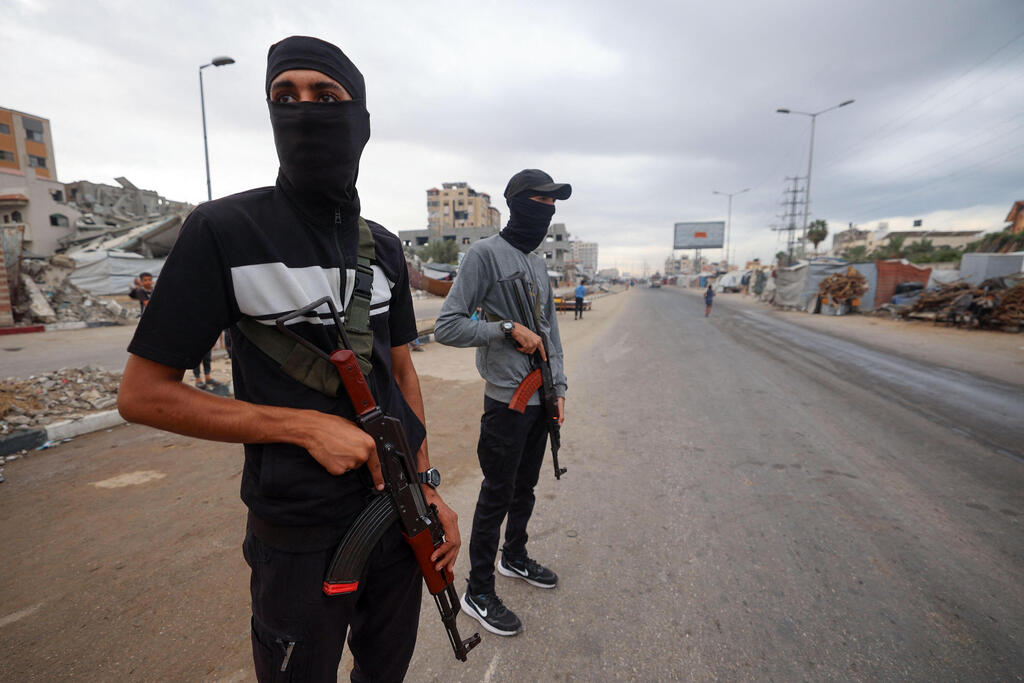
“The atmosphere on the ground was one of clear pressure,” one local source in Gaza said. “Every attempt at public organization was met immediately by the presence of security forces.”
Hamas supporters presented the measures differently, saying they were intended “to protect public order and prevent chaos during wartime.”
Alongside the events on the ground, a fierce debate unfolded on social media over who was behind the protest calls and what they were meant to achieve. Some posts shared on platforms identified with Hamas claimed the protests were an attempt to “weaken Gaza’s internal front” through a coordinated campaign.
The discussion also included the term “Adraee network,” used by some online users to describe what they claim is a network of accounts and activists trying to influence public opinion in Gaza and the wider Palestinian arena. The name refers to Lt. Col. Avichay Adraee, the IDF’s Arabic-language spokesperson, who is widely known among Arabic-speaking audiences for his social media messages directed at Palestinians and the broader Arab world.
Those making the accusation claim the alleged network is trying to encourage internal opposition to Hamas and frame the protest movement as a local uprising. Others argue that the term is being used by Hamas supporters to delegitimize criticism from inside Gaza and portray any public anger as the product of Israeli influence.
‘A suspicious call’
The debate was joined by senior Fatah official Sami Khalaf, who criticized what he described as calls by elements known online as the “Adraee network” to turn against the “resistance” in Gaza, a term used by Palestinian factions and their supporters to refer to armed struggle against Israel.
Khalaf said any call to stir internal conflict during wartime was suspicious. In a post, he claimed such calls were exploiting the humanitarian crisis in Gaza and trying to create internal division at a sensitive moment.
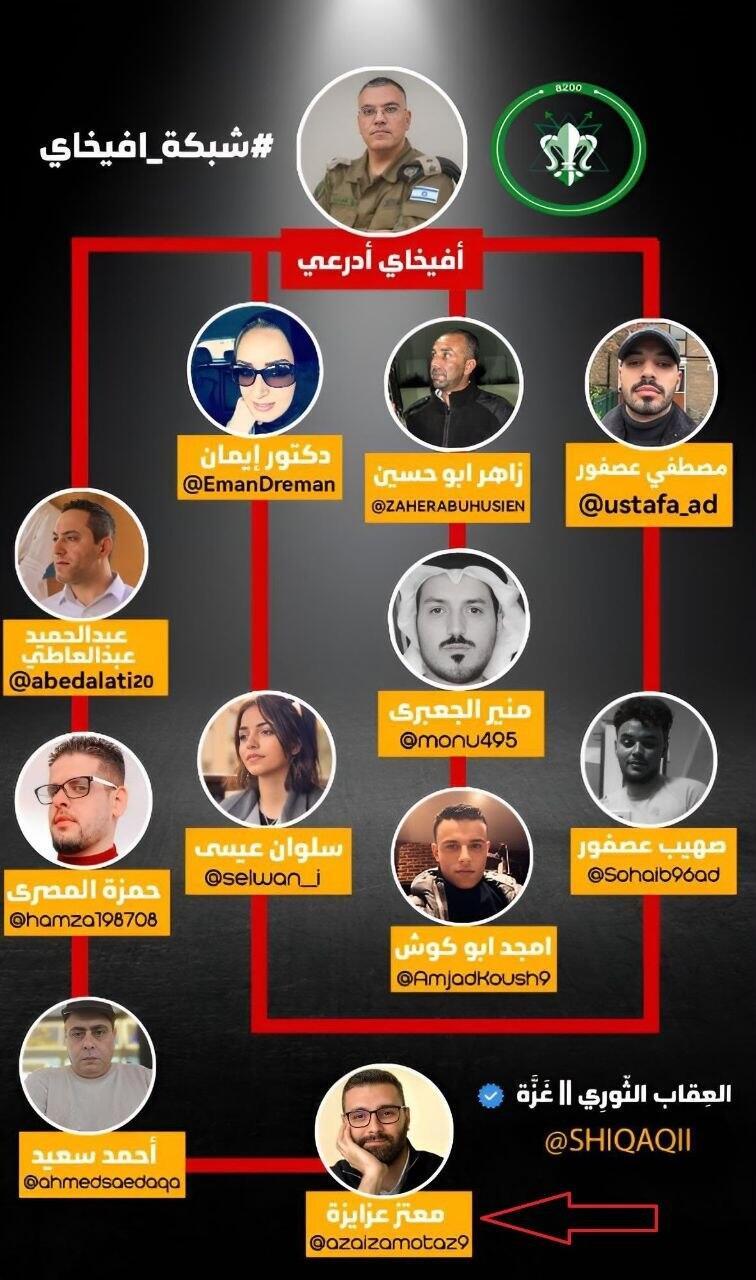
'Adraee network'
He argued that during what he called an “unnatural” crisis, sudden protest initiatives should be treated with caution. Khalaf also said responsibility for the Palestinian situation should not be limited to Gaza alone, pointing to conditions in the West Bank, including displaced residents, clashes with Israeli security forces and settler violence.
According to Khalaf, the Palestinian issue should be viewed as one national arena rather than as a crisis confined to the Gaza Strip.
Other users rejected those claims and said the use of terms such as “Adraee network” was mainly intended to intimidate critics and shift attention away from the humanitarian and security situation in Gaza.
“There is a harsh reality on the ground, and the attempt to silence every critical voice only deepens the crisis,” one user wrote.