


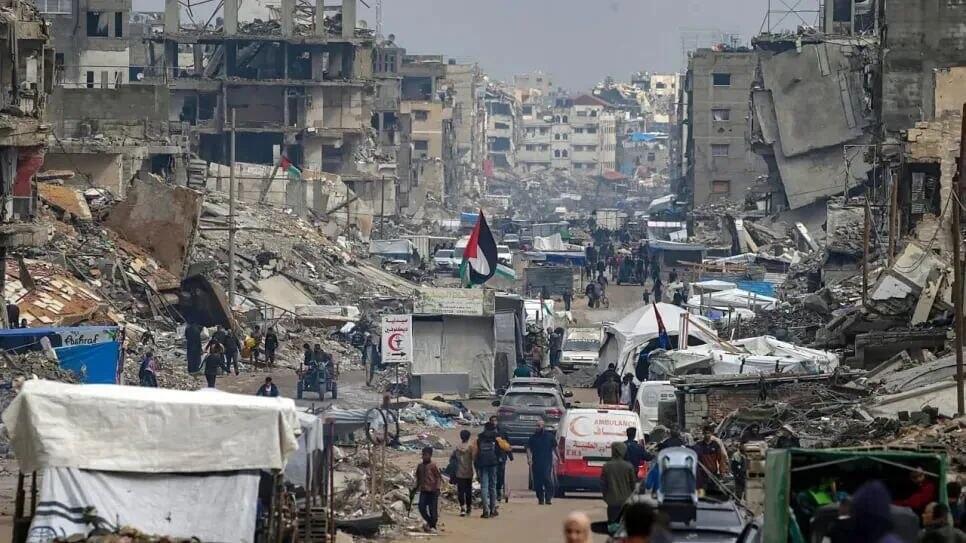
Demonstrations are expected to begin across the Gaza Strip on Friday under banners including “The June 26 Revolution” and “Day of Rage,” reflecting mounting public anger over the humanitarian crisis, continued fighting and deteriorating living conditions.
Organizers have presented the protests as a grassroots movement against hunger, displacement and widespread destruction in Gaza. They published a map of gathering points and called for “peaceful, popular” demonstrations, saying “our only weapon is the free voice” and that only the Palestinian flag should be raised.
Even before the protests began, however, the calls sparked a sharp political dispute inside Gaza and among Palestinians abroad.
Some of the organizers are activists identified with the rival Fatah movement, including Hamza al-Masri and photojournalist Moataz Azaiza, both of whom live outside Gaza. Hamas and the smaller Islamic Jihad militant group have viewed the calls with suspicion.
Figures aligned with what they describe as the “resistance” camp have accused the organizers of trying to undermine the Palestinian “internal front” during wartime and alleged that outside actors are seeking to advance Israel's interests.
Influencer Mohammed Lafi, who supports the resistance camp, urged Palestinians not to turn the demonstrations into an internal confrontation but instead direct their anger at Israel.
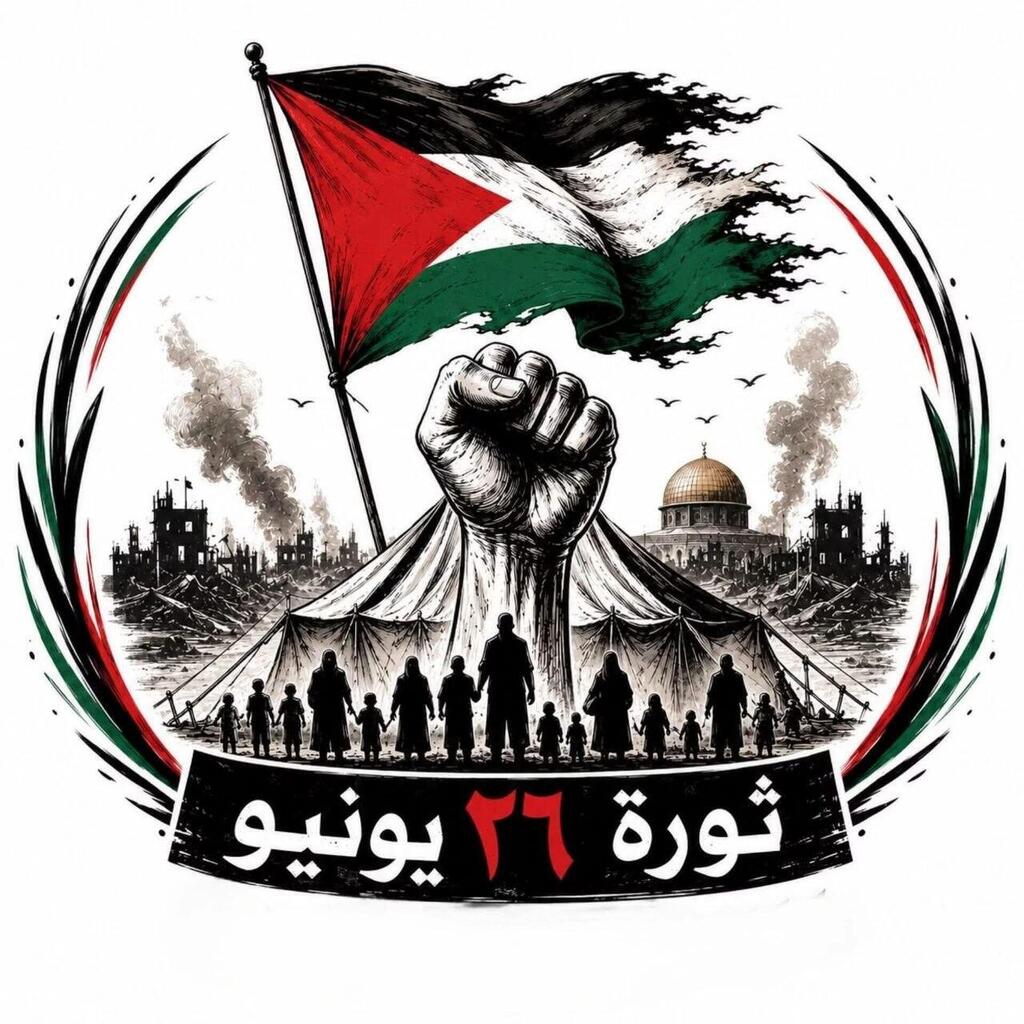
A 'June 26 Revolution' banner calling for anti-war protests in Gaza
“There should be a popular front that expresses the people's pain while preserving national unity,” he said.
The Palestinian Council of Scholars, a body of Islamic clerics, also issued an unusually strong statement against the protests, saying calls to act against the “resistance organizations” during wartime were religiously forbidden because they could “serve the enemy and undermine the resistance effort.”
The council said legitimate criticism should be distinguished from “incitement that could dismantle internal unity.”
Other voices inside Gaza supported the demonstrations.
Mustafa Ibrahim, a Gaza resident, wrote on X that “the anger filling Gaza's streets is entirely legitimate,” while cautioning against actions whose consequences had not been fully considered.
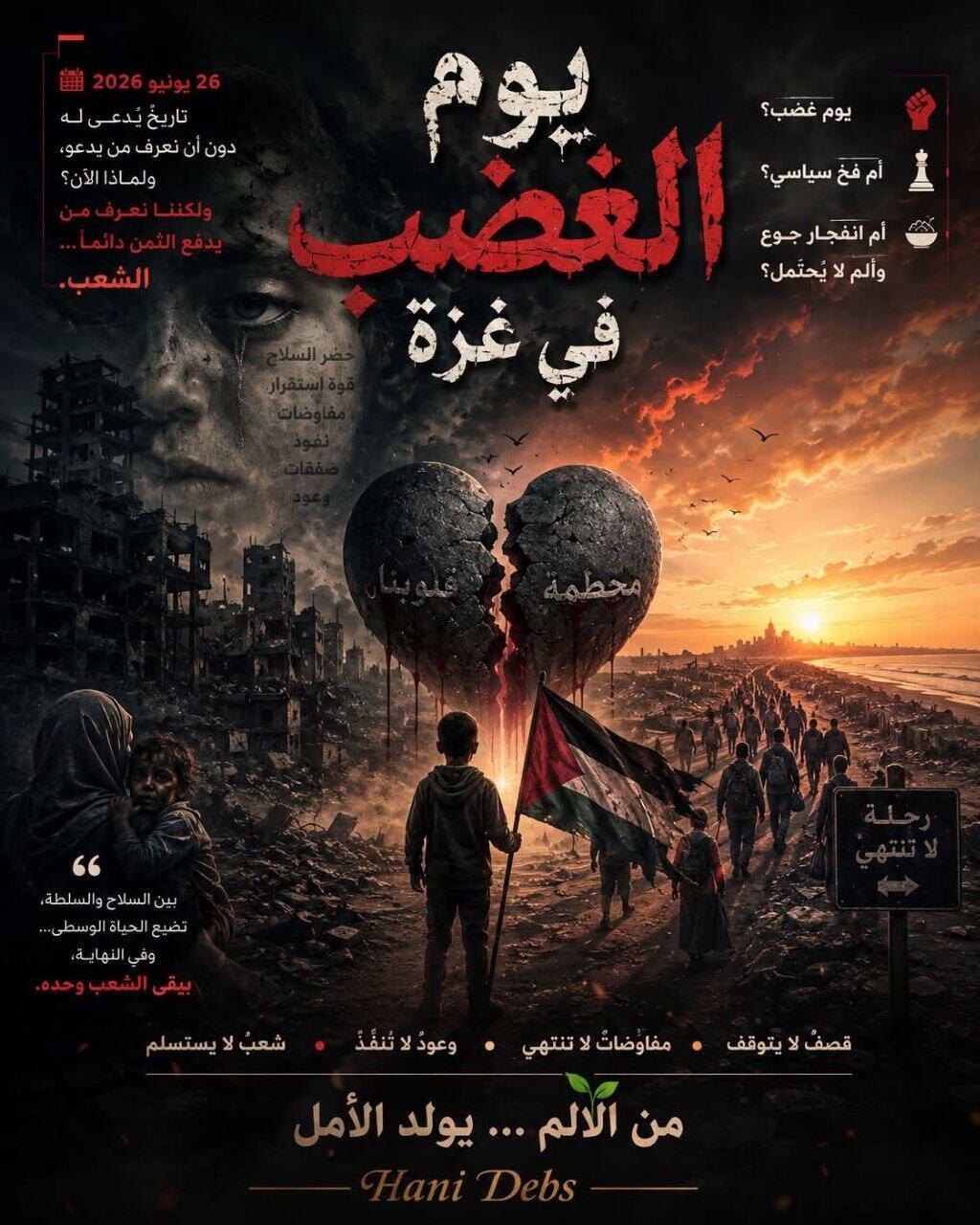
A protest banner calling for a 'Day of Rage' in Gaza
Another Gaza City resident, identified as Abu Nail, was more outspoken. “We've said a thousand times that opposing the government is not treason, and criticizing the government is not collaboration with the enemy,” he wrote.
Israeli officials are also closely watching the planned demonstrations.
Agriculture Minister Avi Dichter, a former head of Israel's Shin Bet internal security agency, called Thursday on Gazans to protest against Hamas. Opponents of the demonstrations quickly seized on his remarks, arguing that Israeli support cast doubt on the protests' true objectives.
Palestinian researcher and commentator Mohammed Abu Qamar said Israeli media had been amplifying the protests, making many Palestinians suspicious of them. He said prominent families and clans in Gaza would likely try to prevent internal unrest and preserve stability.
Khaled Meshaal, a senior Hamas political leader based outside Gaza, told the Algerian newspaper Echorouk that the right to demonstrate and express opinions is “a fundamental right of the Palestinian people.” He said Hamas' political leadership had instructed members not to infringe on freedom of expression.
Meshaal nevertheless urged that protests be directed primarily against what he called “the crimes of the occupation” rather than fueling internal conflict.
There have been repeated protests in Gaza since the war began, some directed against Hamas, others against the consequences of the Oct. 7, 2023, attack on Israel or the humanitarian conditions created by the war. Most have faded quickly after Hamas' governing and security apparatus moved to contain them.
More than two and a half years into the conflict, no broad, sustained grassroots movement has emerged that has posed a significant organized challenge to Hamas' rule over the territory.