

After a joint U.S.-Israeli bombardment eliminated Iran’s supreme leader and much of its senior leadership, the Islamic Republic has not collapsed. Instead, looming negotiations to end the war are emerging as a key test of its fractured power structure.
For decades, the supreme leader balanced competing factions, suppressing challengers while weighing rival views. It is now unclear who holds that level of authority over a system that includes civilian officials and powerful generals from the Islamic Revolutionary Guard Corps, a paramilitary force central to Iran’s security apparatus.
Gallery
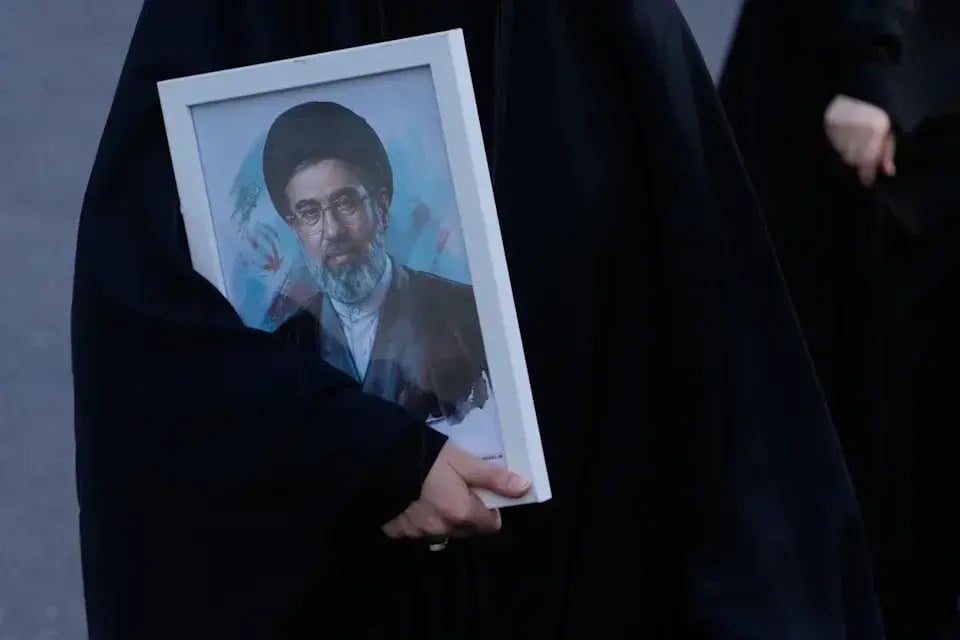
A woman holds a picture of the Iranian Supreme Leader Ayatollah Mojtaba Khamenei
(Photo: AP Photo/Vahid Salemi)
For now, Iran’s leadership has maintained unity by adopting a hard-line stance. But divisions over how much to concede in talks with the United States could expose deeper rifts, as Pakistani mediators seek to host a new round of negotiations this week.
Power now appears concentrated in the Supreme National Security Council, a body resembling a politburo that includes top civilian and military leaders. In the past, Supreme Leader Ayatollah Ali Khamenei imposed his will across Iran’s competing centers of power. After he was killed in Israeli strikes on the first day of the war, his son, Ayatollah Mojtaba Khamenei, was named his successor.
Questions persist about the younger Khamenei’s role following reports he was wounded in the strikes. He has not appeared in public and remains in hiding, leaving unclear how he communicates with senior officials.
At the center of power, Parliament Speaker Mohammad Bagher Ghalibaf has emerged as the council’s public face and chief negotiator with Washington. A longtime insider with ties across factions, he reflects the council’s growing authority, which had already expanded before Khamenei’s death and has since been consolidated by the war.
The council includes a wide spectrum of political views and rivalries. Saeed Jalili, a hard-line opponent of the United States, represents the supreme leader, while the body is formally headed by reformist President Masoud Pezeshkian. Hard-liners also include Revolutionary Guard commander Ahmad Vahidi and council secretary Mohammad Bagher Zolghadr.
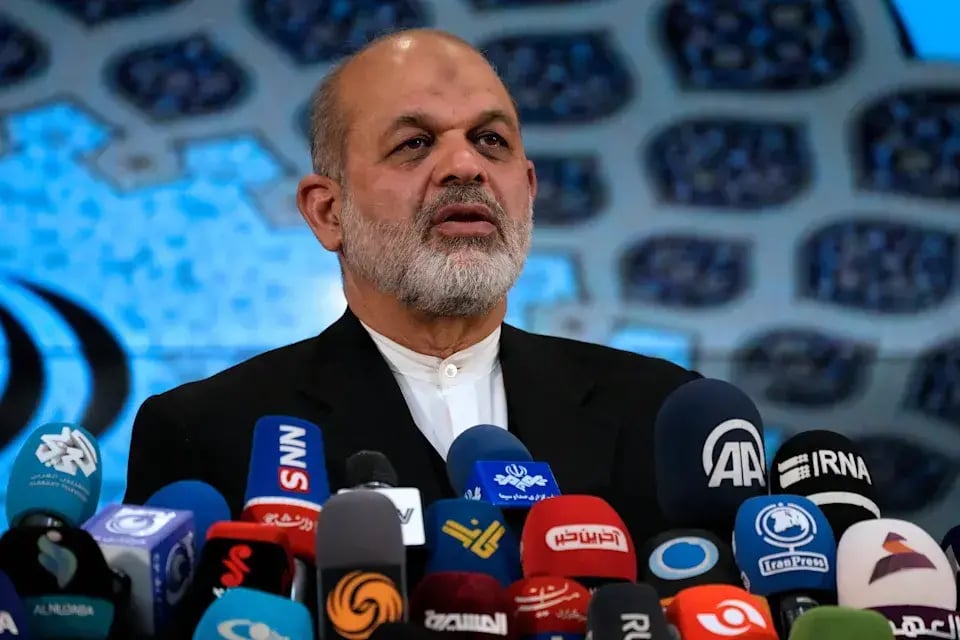
Iran's Interior Minister Ahmad Vahidi briefs the media on elections in Tehran
(Photo: AP Photo/Vahid Salemi)
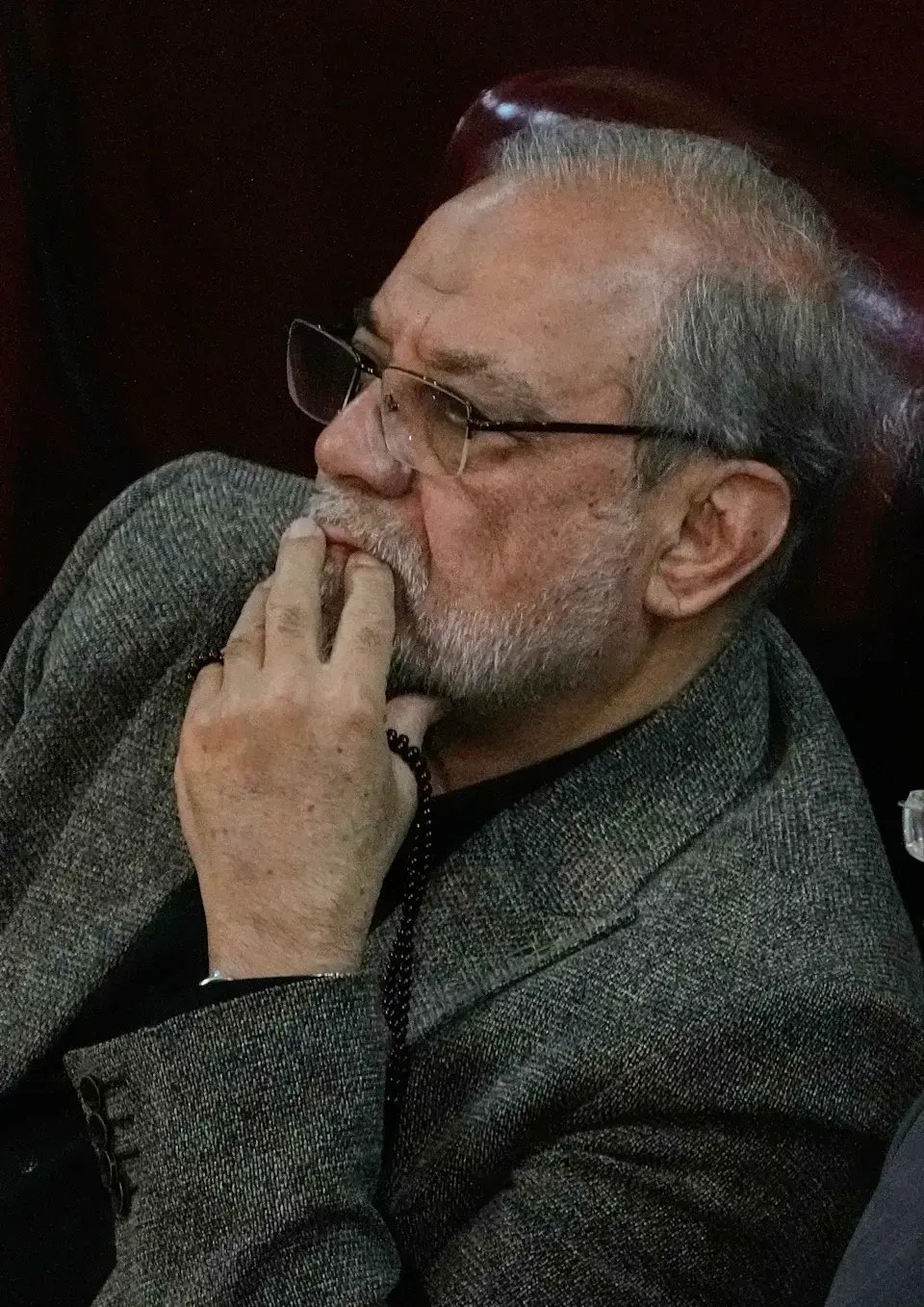
Mohammad Bagher Zolghadr attends the inauguration ceremony of the 6th term of the Assembly of Experts in Tehran
(Photo: AP Photo/Vahid Salemi)
Experts say Israel’s strategy of targeting top leaders may have misunderstood Iran’s system. “Iran’s leadership survived precisely because there are multiple power centers with overlapping authorities,” said Ali Vaez of the International Crisis Group.
The council now faces difficult decisions over whether to accept U.S. demands aimed at preventing Iran from developing a nuclear weapon. Iran maintains its program is peaceful while asserting its right to enrich uranium.
In an interview with state television, Ghalibaf said Iran seeks a comprehensive agreement that would bring “lasting peace” and prevent further U.S. attacks. “This dangerous loop needs to be cut,” he said.
Iranian officials have projected confidence, pointing to their control over the Strait of Hormuz, a vital global oil route, as leverage to pressure Washington. At the same time, war and a U.S. blockade threatening Iran’s oil exports are intensifying strain on an already struggling economy.
Economic hardship has triggered repeated unrest in recent decades, including protests earlier this year calling for the government’s overthrow. Sanctions relief through a deal with the West could help stabilize the country. “It is easier to imagine that the regime would make concessions to the West to ensure its survival than to its own people,” Vaez said.
Recent events surrounding the Strait of Hormuz highlight internal divisions. Foreign Minister Abbas Araghchi said Iran would reopen the waterway as part of a ceasefire, but the military later announced it would close it again in response to continued U.S. pressure.
Some Iranian media criticized Araghchi, suggesting his statement signaled weakness and exposed disagreements within the leadership. His office said the Foreign Ministry coordinates all actions with higher authorities.
Ghalibaf sought to downplay divisions, saying the leadership remains unified in its approach to negotiations.
The 64-year-old Ghalibaf may be uniquely positioned to bridge Iran’s internal divides. A former Revolutionary Guard general and national police chief, he retains support among conservatives while also drawing backing from reformists and centrists.
He also has close ties to the Khamenei family and to senior Revolutionary Guard figures who replaced commanders killed in Israeli strikes and are seen as key players in any future agreement with Washington. His cross-faction support could help secure backing for a deal despite resistance from hard-liners opposed to compromise.