

Samaneh left Iran for the United Kingdom in 2014. Her immediate family, she said, is now outside the country, but many relatives and close friends remain inside Iran. In recent days, reaching them has become increasingly difficult. “The internet is just cut out,” she said. “All the phone calls — you can’t have any communication.”
Contact, when it happens at all, is brief. Samaneh said some people inside Iran have access to satellite internet, allowing for short messages. “We just want to see if they are okay,” she said.
Samaneh, Iranian living in the UK
(Video: Yaron Brener)


What she hears from inside Iran, Samaneh said, reflects a shift beyond protest. “What’s happening in Iran right now is revolution,” she said.
According to Samaneh, messages from friends and relatives describe a single, unified demand: an end to the Islamic Republic. She said demonstrators are also openly voicing support for a return to the Pahlavi monarchy, rallying around Crown Prince Reza Pahlavi, the son of Iran’s last shah. “The only credible alternative people know is Crown Prince Reza Pahlavi,” she said.
She said protesters chant his name in the streets and repeat slogans including “Javid Shah,” which she translated as “long live the king,” as well as “This is the last battle. Pahlavi will return.”
Unarmed protesters, armed response
Samaneh said the messages she receives consistently describe protesters as unarmed, confronting a heavily armed state. “People, unarmed, with bare hands, are fighting for democracy and freedom,” she said.
The regime’s response, she said, has been violent. “They respond with military weapons, with direct live fire, with guns,” she said. “They are brutally killing people.”
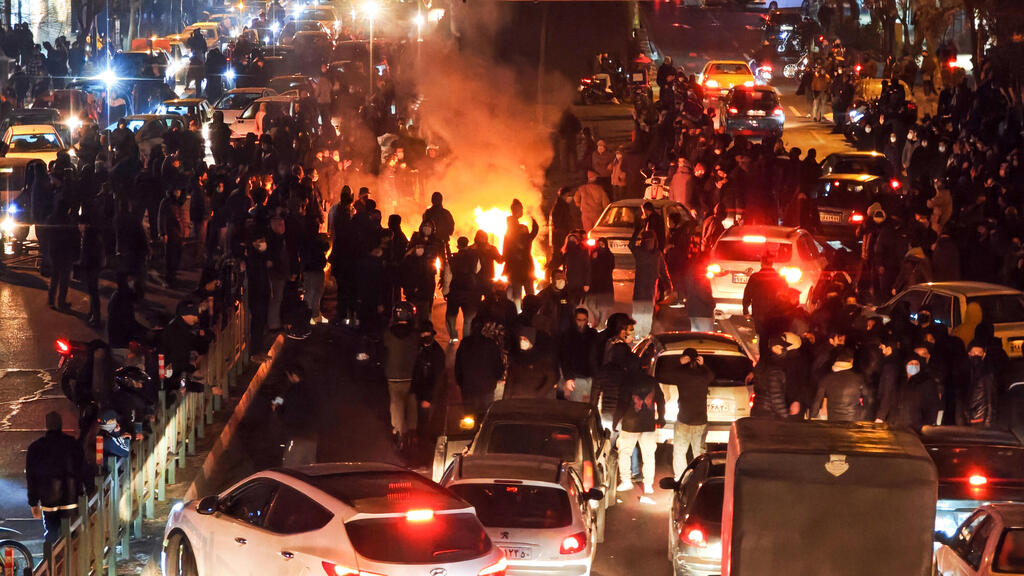
Iranian authorities have blamed unrest on foreign interference and have defended security measures as necessary. Samaneh cited numbers circulating among those contacting her, ranging from thousands to tens of thousands killed. She acknowledged the figures are uncertain. “We don’t know the exact number,” she said. “But it’s a huge number.”
Watching events unfold from abroad has taken an emotional toll, she said. “We Iranians are all having a really difficult time,” Samaneh said. “We’re just crying all the time. Whoever I talk to, they say, ‘We are crying.’”
She said messages from inside Iran reflect a sense that protesters have reached a breaking point. “They say they have nothing to lose,” she said. “They say, ‘We are fighting. We don’t care if we die.’”
Waiting for the world
Samaneh said many of the messages she receives also express hope for outside support, particularly from the United States. She said people inside Iran are focused on past statements by former President Donald Trump expressing support for Iranian protesters.
“People in Iran took his message really seriously,” she said. “They expect consistency. He promised to help people, and people really count on that.” Without international help, she said, those contacting her believe they cannot defeat a military regime on their own. “At the end, without any help from outside, they can’t defeat a military regime alone,” she said.
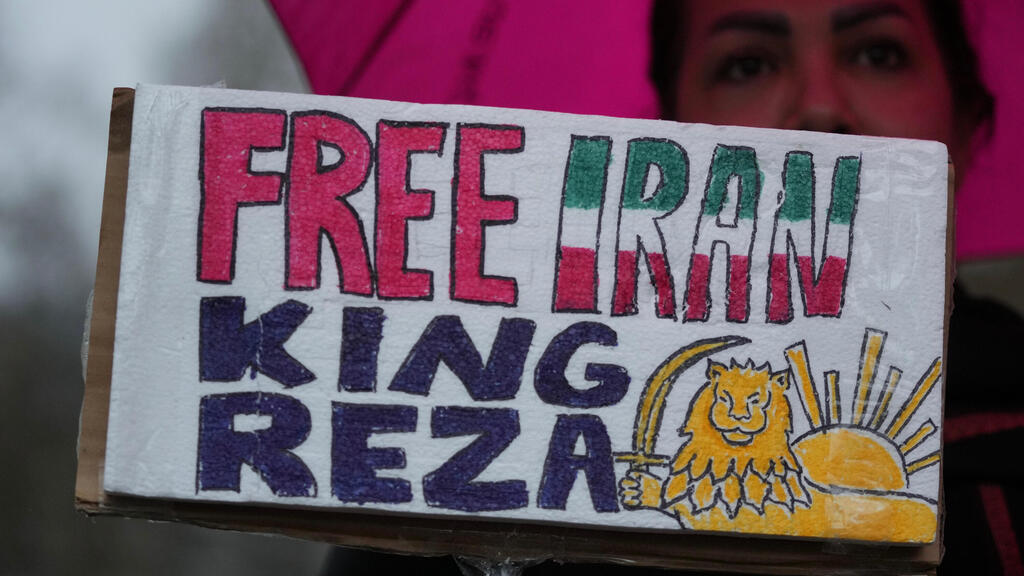
A demonstration in support of the protests in Iran, London
(Photo: AP Photo/Kin Cheung)
Asked what message she wants conveyed to the outside world, Samaneh rejected the idea that the crisis should be treated as an internal political matter. “This is not an internal political issue,” she said. “This is a massacre of civilians.”
She stressed that Iranians are not asking for war. Instead, she said, they want international pressure to end executions and repression. “People in Iran are not asking for war,” she said. “They just want an end to executions and repression.” Silence, she added, carries its own weight. “Silence is really complicity right now,” Samaneh said.