


Prime Minister Benjamin Netanyahu did not attend Sunday’s cabinet vote on the government’s refusal to comply with a High Court of Justice ruling, a move that pushes Israel toward a constitutional crisis.
Netanyahu is barred from dealing with certain legal matters because of the indictment against him and his ongoing criminal trial. The decision was brought to the cabinet by Justice Minister Yariv Levin and Communications Minister Shlomo Karhi, and was approved unanimously.
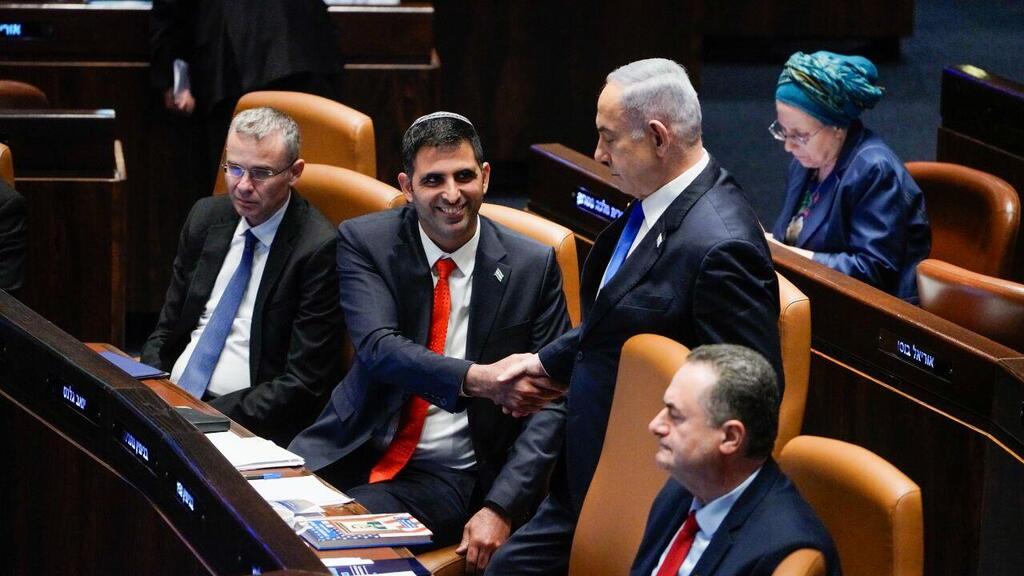
Netanyahu also did not comment publicly on the decision, despite its implications for the balance between Israel’s branches of government. In the past, however, he spoke clearly in similar moments, defending the court and the principle that its rulings must be respected.
In 2015, when Supreme Court justices ruled that buildings in Beit El must be demolished, Netanyahu rejected attacks on the judges and backed the decision, even though his government opposed the outcome.
“Israel is a law-abiding democracy that respects the court’s decision. That is how it has been and how it will be,” Netanyahu said at the time.
Four years later, Netanyahu again rejected the idea that High Court rulings could be ignored. The issue arose after then-justice minister Amir Ohana said that in some cases, the state did not necessarily have to comply with High Court decisions. “The supreme consideration must be protecting citizens’ lives,” Ohana said in 2019. Netanyahu responded: “Court decisions bind everyone.”
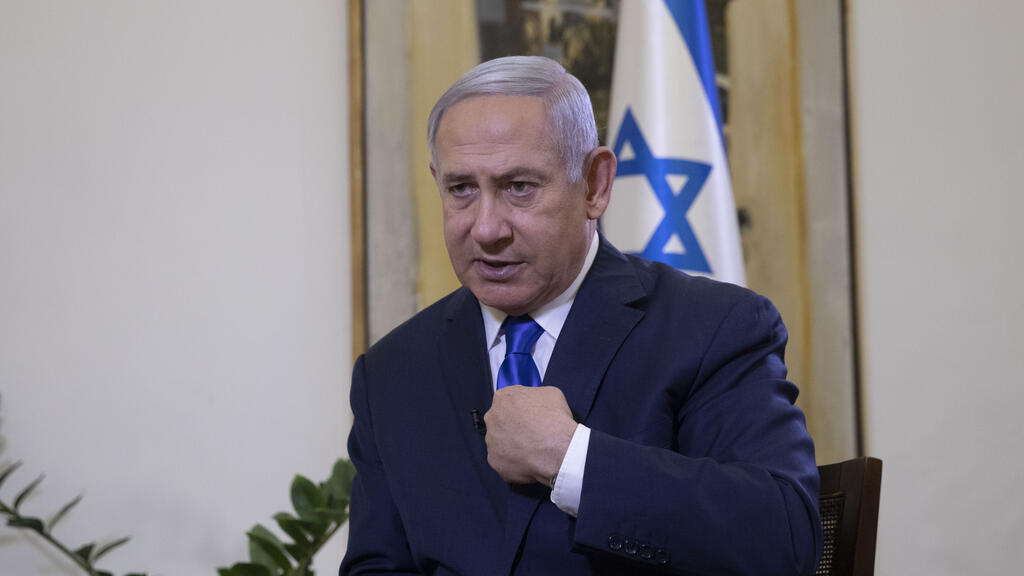
Netanyahu
(Photo: Ohad Zwignberg)
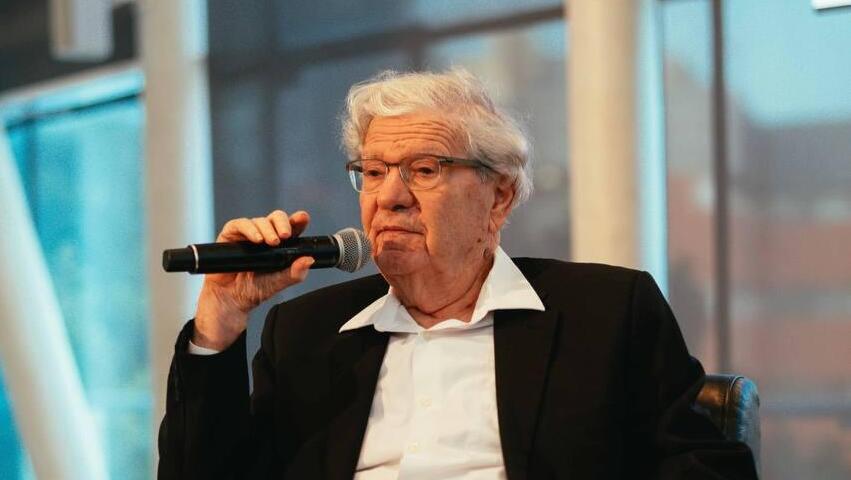
Aharon Barak said that Netanyahu is 'one of the greatest defenders of the legal system’
(Photo: Eyal Efrati)
Former Supreme Court president Aharon Barak also praised Netanyahu in 2022 for the status he had given the court over the years. Speaking to ynet when the possibility of a plea deal for Netanyahu was making headlines, Barak said: “I will not deny that when I approached Mandelblit, Benjamin Netanyahu’s contribution to the state was constantly on my mind, not only his great achievements over the years, but mainly that until his trial, he was one of the greatest defenders of the Israeli legal system. I will never forget that contribution.”
Earlier Sunday, the government unanimously decided not to honor a High Court ruling concerning the Second Authority for Television and Radio.
“You have no authority to trample the law. A ruling that contradicts the law will not be recognized, and decisions made under it are void,” the government said in an official statement.
The cabinet effectively approved the proposal by Levin and Karhi, declaring that it would not recognize any decision, approval, appointment or action taken by the Second Authority Council as long as the council does not meet the explicit eligibility requirements set by law. These could include a possible approval of the sale of Reshet 13 to a group of high-tech entrepreneurs.
The High Court order that the government now says it will not respect was issued about three weeks ago. It froze the government’s decision to change the composition of the Second Authority Council and ruled that the current council would remain in place until petitions against the move are decided.
In an unusually sharp decision, the justices hinted at suspicions that resignations by council members may have been carried out deliberately to thwart the legal process and disrupt the court’s work.