

Reports and diplomatic signals intensified Tuesday that Iran and Oman were close to announcing an agreement on reopening the Strait of Hormuz, potentially within hours.
The dispute over how the strait would operate was the central reason a June memorandum of understanding between Iran and the United States collapsed. The emerging agreement remains unclear, but The New York Times reported that, unlike earlier proposals rejected by Tehran, it could effectively preserve or strengthen Iranian control over the strategic waterway.
Gallery
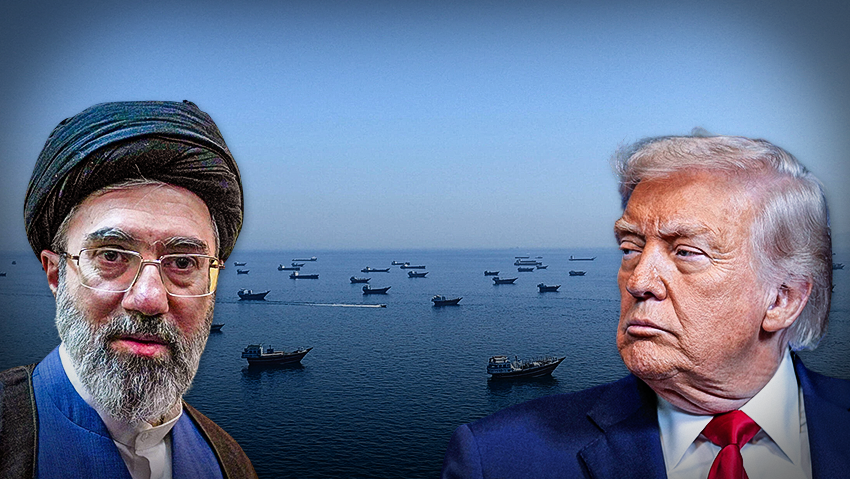
(Photo: Hamed Jafarnejad/ISNA/WANA (West Asia News Agency) via REUTERS, AP/Alex Brandon, REUTERS/Stringer)
The talks come amid repeated threats by President Donald Trump to resume military action against Iran, though the administration appears eager to avoid renewed fighting and return to diplomacy.
Bloomberg reported Tuesday that Trump was pressing Iran to reach an agreement on Hormuz that same day or face “devastating airstrikes.”
At nearly the same time, U.S. Treasury Secretary Scott Bessent told CNBC that Washington was engaged in talks with Iran, a claim Tehran denied, and that an agreement could be reached imminently.
“I think there is a chance we may have a deal today or tomorrow to open the Strait,” Bessent said.
Secretary of State Marco Rubio also expressed optimism, saying progress had been made in talks between Iran and Oman on allowing more ships to cross Hormuz, while stressing that no final agreement had yet been reached.
“We’re hoping that will happen very shortly,” Rubio told reporters in Washington.
Saudi outlet Al-Hadath cited an unnamed source as saying arrangements for the full reopening of the strait could be announced “within hours or tomorrow.”
Qatar is also involved in the mediation. Foreign Ministry spokesperson Majed al-Ansari said draft proposals were being exchanged and described the negotiations as being at a “very advanced stage.”
He said the immediate goal was a short-term solution that could allow Washington and Tehran to return to broader negotiations.
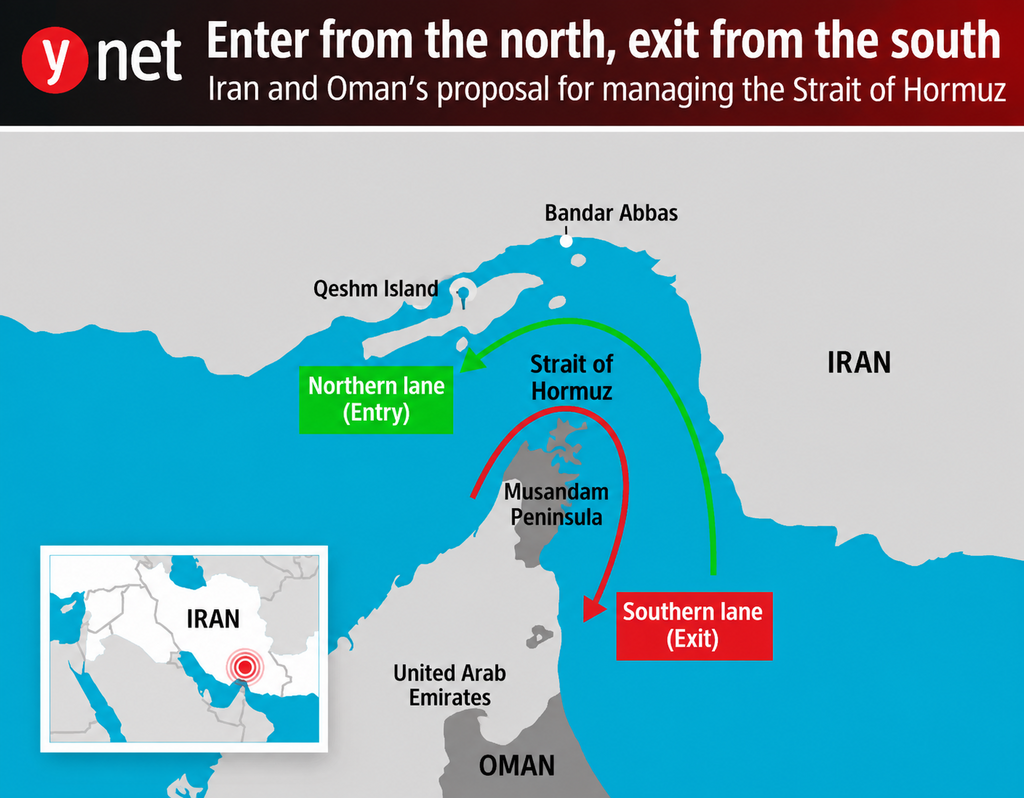
Northern entry, southern exit
Before the war began in late February, the Strait of Hormuz was open to international shipping and carried about one-fifth of the world’s oil and gas consumption.
Iran moved to block most traffic after the fighting began, attacking ships with drones and missiles launched from its territory. The disruption drove oil prices higher and increased pressure on Trump to halt the war, particularly ahead of the November U.S. congressional midterm elections.
Iran now claims ownership over Hormuz and has demanded that ships pay transit fees.
The June memorandum was deliberately vague in an effort to bypass that dispute. It called for the strait to reopen temporarily for 60 days without mandatory payments, while Iran and Oman negotiated a permanent management arrangement.
The agreement collapsed after Iran continued attacking ships using the southern lane near Oman, which does not demand payment from passing vessels.
Negotiations between Iran and Oman continued even as fighting with the United States resumed and later subsided.
Tehran recently rejected an Omani proposal under which payments would have been voluntary rather than mandatory. Iran increasingly views control of Hormuz as a strategic pressure tool it cannot afford to surrender.
The New York Times reported that the sides are now approaching a different arrangement.
Under the proposed structure, vessels entering the Persian Gulf would use the northern lane near Iran’s coast, while ships leaving the Gulf would use the southern route closer to Oman.
Iranian officials told the newspaper that Tehran did not plan to charge formal tolls. Instead, it would collect payments described as “service fees.”
Those fees would reportedly cover the environmental effects of managing the strait and the “security” of tankers, despite Iran itself being the source of many of the recent threats to shipping.
The revenue would be divided equally between Iran and Oman, according to the report.
A U.S. official disputed the Iranian account, telling The New York Times that a temporary shipping route would not require Iranian approval or involve any fees.
Iran seeks lasting leverage
Iranian officials said the agreement would be drafted in a way that preserved Tehran’s “ability” to enforce control over the strait, allowing it to retain the strategic leverage gained during the war.
Reuters separately cited a senior Iranian source as saying Tehran would maintain influence over the outbound lane, in addition to full control of the inbound route near Iran’s coast.
The source said Iran would have “visibility” over outbound traffic and the ability to intervene if necessary.
He said the exit lane would be located “between Iran and Oman,” meaning it would not necessarily run directly alongside Oman’s coast.
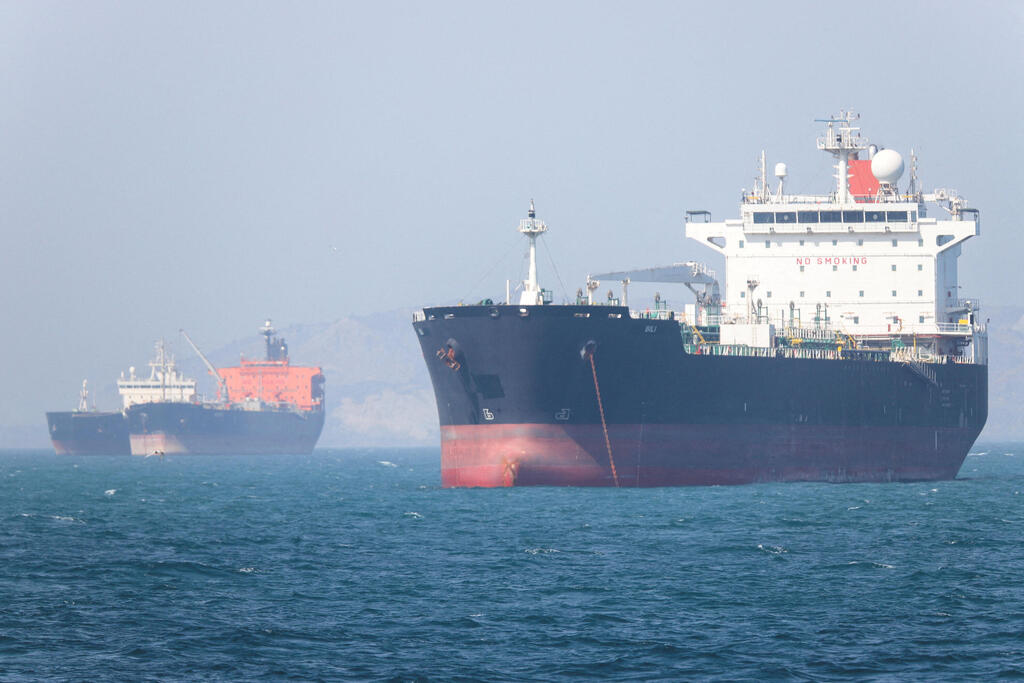
Ships in the Strait of Hormuz
(Photo: Amirhosein Khorgooi/ISNA/WANA (West Asia News Agency) via REUTERS)
Omani authorities would issue exit permits, but Iran would be notified, according to the source.
“Tehran does not intend to change its position,” he said, arguing that Iran had already compromised by abandoning its original demand for complete control over traffic in both directions.
It remains unclear whether passing ships would be required to make any payments, a provision strongly opposed by the United States.
An agreement allowing Iran to collect fees would represent a major strategic achievement for Tehran. Before the war, shipping through Hormuz was unrestricted.
Senior Trump administration officials also fear that allowing Iran to charge vessels could encourage other countries, including China, to impose similar demands on international waterways under their control.
“If we create a precedent in the Middle East where a country can decide it controls an international waterway, charge a toll, and blow up your ships if you don’t pay, we are creating a very dangerous precedent that will be repeated elsewhere in the world,” Rubio said.
First published: 17:25, 08.04.26