

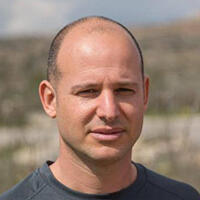
Israel’s military prosecution on Sunday filed a severe indictment against Abd al-Karim Sanobar, the main terrorist suspect in the attempted bus bombing attack in Bat Yam last February.
According to the indictment, Sanobar and several accomplices planned in January to carry out a large-scale terror attack in the greater Tel Aviv area (Gush Dan). Their aim, prosecutors said, was to kill and injure as many civilians as possible by planting several shrapnel-filled explosive devices in crowded public places.
Aftermath of bombing


The indictment states that Sanobar manufactured several powerful improvised explosive devices, attaching nails and screws to maximize casualties. On Feb. 20, he allegedly entered Israel to execute the plan, planting five explosive devices on four buses in Holon and Bat Yam, with timers set for different hours.
Three of the bombs exploded overnight in two separate Bat Yam parking lots, when the buses were empty, preventing mass casualties. The remaining devices were discovered and safely neutralized by Israeli security forces, thwarting what the indictment describes as a “deadly and coordinated” terrorist plot.
A note written in Arabic was found on one of the defused bombs, reading “Revenge from Tulkarm.” Later, the military wing of Hamas in Tulkarm hinted at responsibility, citing Israeli military activity in the area. “The revenge of the martyrs will not be forgotten as long as the occupier remains on our land,” the Tulkarm Brigades of Hamas said in a statement.
After the failed attack, Sanobar fled back to the West Bank, where he hid in several locations. Following a lengthy manhunt, he was arrested by IDF and Shin Bet forces in July. During his time in hiding, the indictment says, Sanobar began planning another attack — a suicide bombing in Tel Aviv — and made contact with additional operatives who could assist him. He also began producing new explosive devices. His arrest prevented him from carrying out the second plan.
At the request of the prosecution, the military court ordered Sanobar held in custody until the end of legal proceedings. Additional indictments were filed against other suspects linked to the attempted bombing.
The IDF and Shin Bet said in a joint statement that they would continue to act decisively against all those involved in terrorist activity aimed at harming Israel’s security.