

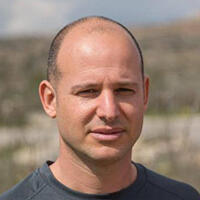
After more than five months on the run, the terrorist responsible for planting explosive devices on buses in Bat Yam and Holon in central Israel was captured in the West Bank city of Nablus on Wednesday following a joint operation by Israeli security forces.
The suspect, Abd al-Karim Sanubar, was apprehended due to the close cooperation between reservists from the IDF’s 7490 and 5025 battalions, troops from Unit 636, Border Police, Shin Bet operatives, and the elite tracking unit Marol.
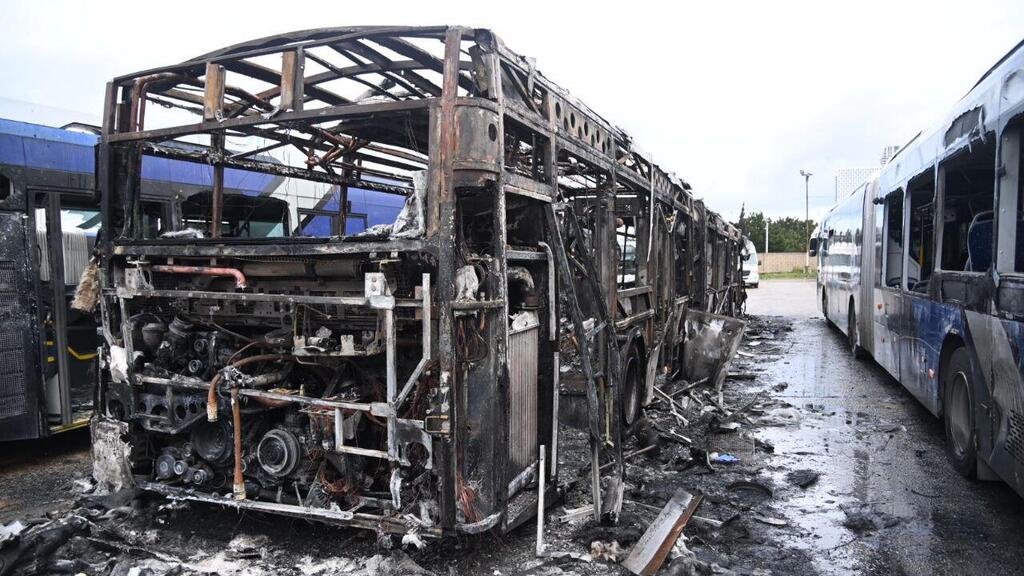
The renewed search began Tuesday night after intelligence pinpointed his likely location. According to a joint IDF and Shin Bet statement, the breakthrough came after an explosion occurred—likely caused when Sanubar came into contact with additional explosives in his possession. He was wounded in the blast and fled the apartment, triggering a 19-hour pursuit that ended in his capture.
During searches near the site of the explosion, Israeli forces discovered and neutralized several ready-to-use explosive devices.
Dismantling the explosives cache belonging to the terrorist
(צילום: דובר צה"ל)


The IDF called the arrest “a significant operational and intelligence achievement” and credited months of intensive field operations and intelligence-gathering that culminated in Sanubar’s arrest.
The capture comes three months after the military prosecutor filed serious charges against Sanubar’s brother, a resident of Nablus. According to the indictment, the brother helped plan the attack, provided logistical support, and knew about Sanubar’s intentions in advance—but failed to report them.
The IDF, Shin Bet and Border Police emphasized that they “will continue to act at all times and in all places to ensure the security of Israeli citizens and residents of the area.”
Indictment reveals chilling details of Bat Yam bomber's plot, with brother's help
The indictment against the brother of Abd al-Karim Sanubar reveals alarming details of the plot and the extent of his family’s involvement.
According to the charges, the brothers discussed the construction of explosive devices at their parents' home in Nablus. In one meeting, the terrorist showed his brother a 10-liter oxygen tank used in manufacturing the bombs. He openly shared his intent to carry out an attack and asked for remote activation equipment. Days later, the brother supplied him with 15 alarm clocks and helped him adapt them into bomb triggers.
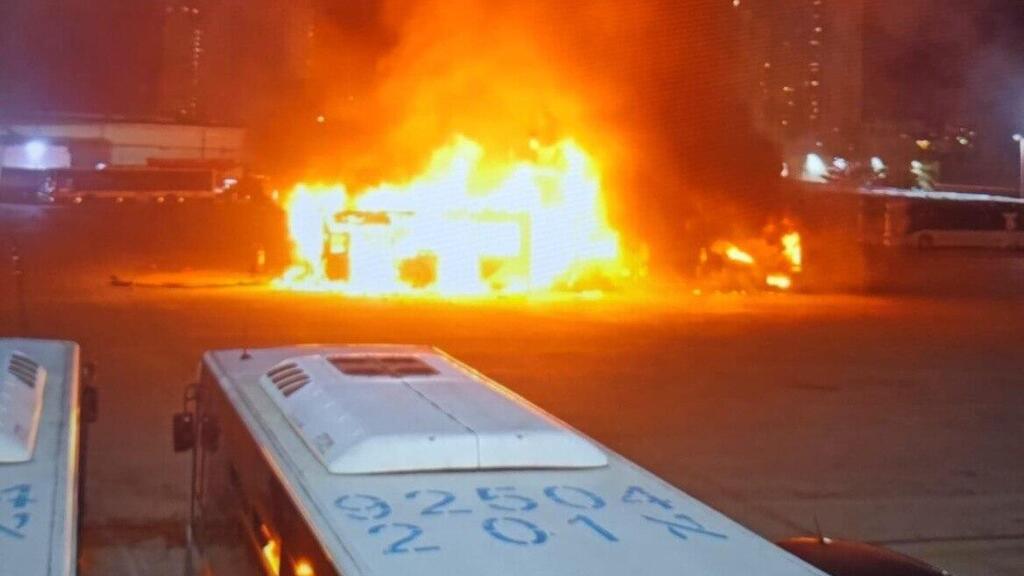
A bus on fire in Bat Yam
The indictment further reveals that, the day before the attack, the terrorist informed his brother of his plan to carry out the bombing the following morning. He told him the bombs all would detonate within 45 minutes and acknowledged that he would not be able to escape back to Nablus. He also expressed a desire to obtain a firearm to potentially attack soldiers or police officers if confronted.
On the day of the attack, around 11 a.m., the bomber called his brother to say he was heading to a bus station to plant the explosives. He later sent a photo of five bombs, each bearing the names of top Hamas operatives killed by Israel, including Mohammed Deif, Yahya Sinwar, and Saleh al-Arouri, alongside the names of cities.
The coordinated plan was executed on February 20, when several bombs detonated in parking areas in Bat Yam, prompting a nationwide manhunt that lasted more than five months and ended with the bomber’s capture earlier this week.