

A third heat wave in just weeks is continuing to batter large parts of Western Europe, fueling major wildfires in several regions and deepening concern over the human toll of extreme heat. In Spain, at least 13 people were killed over the weekend in the country’s deadliest wildfire in more than 40 years. In France, firefighters are now battling a major blaze near Paris, close to one of the country’s most famous historical sites.
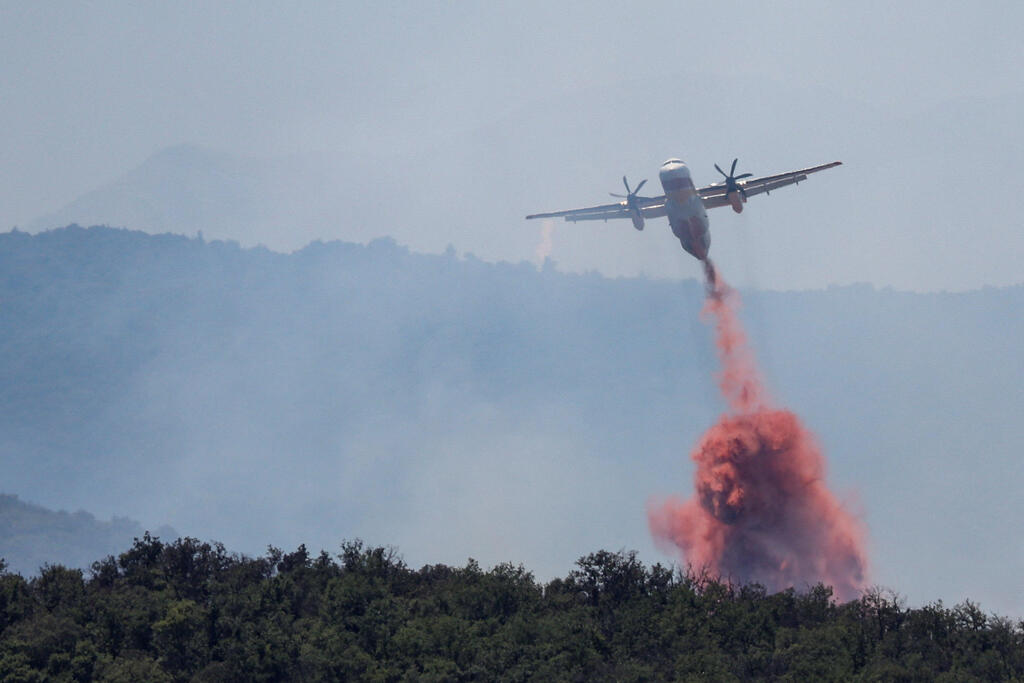
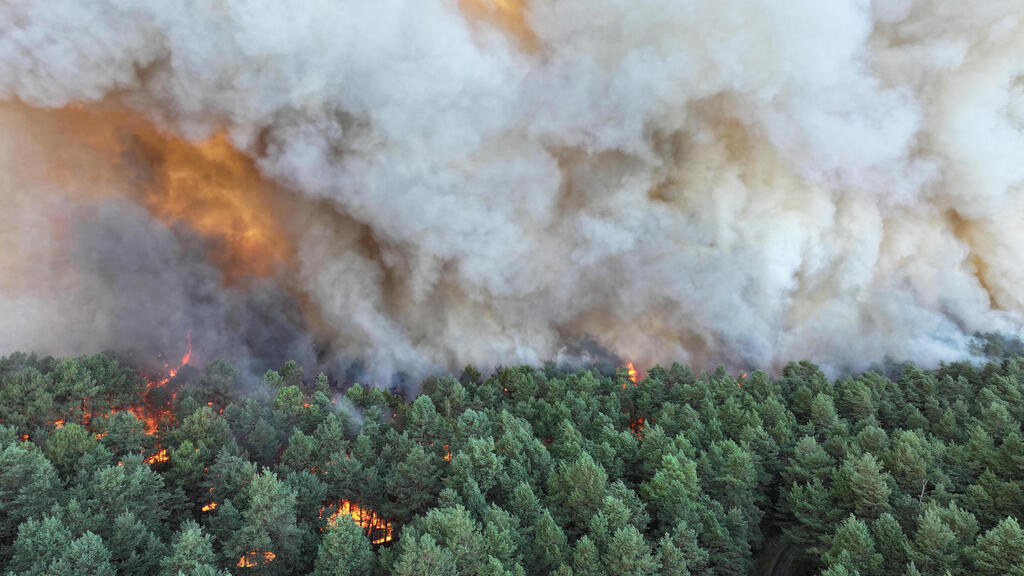
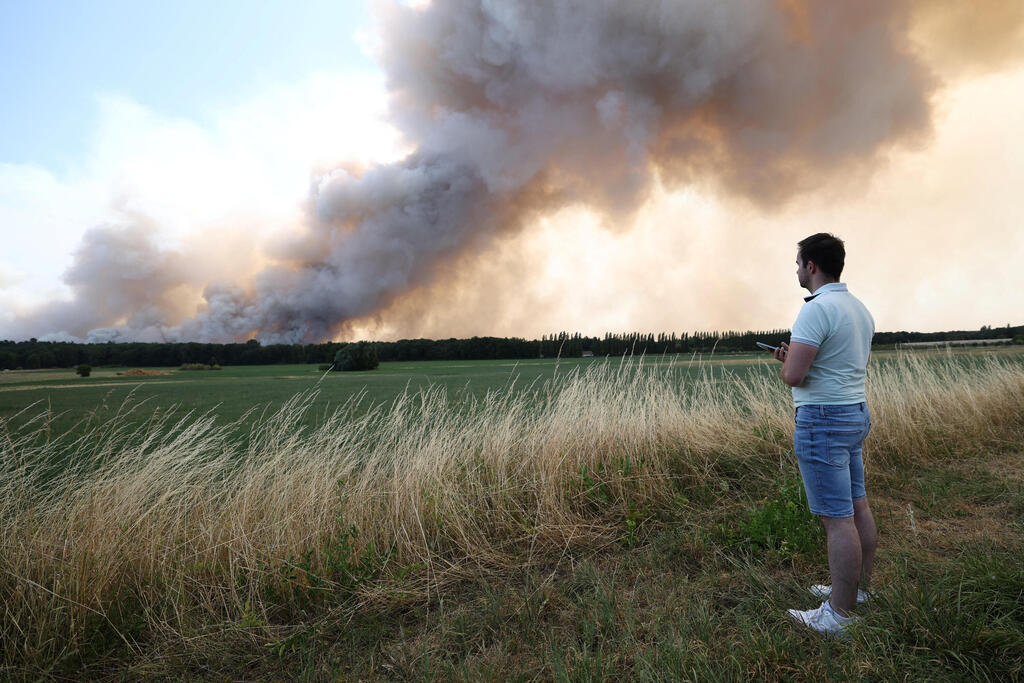
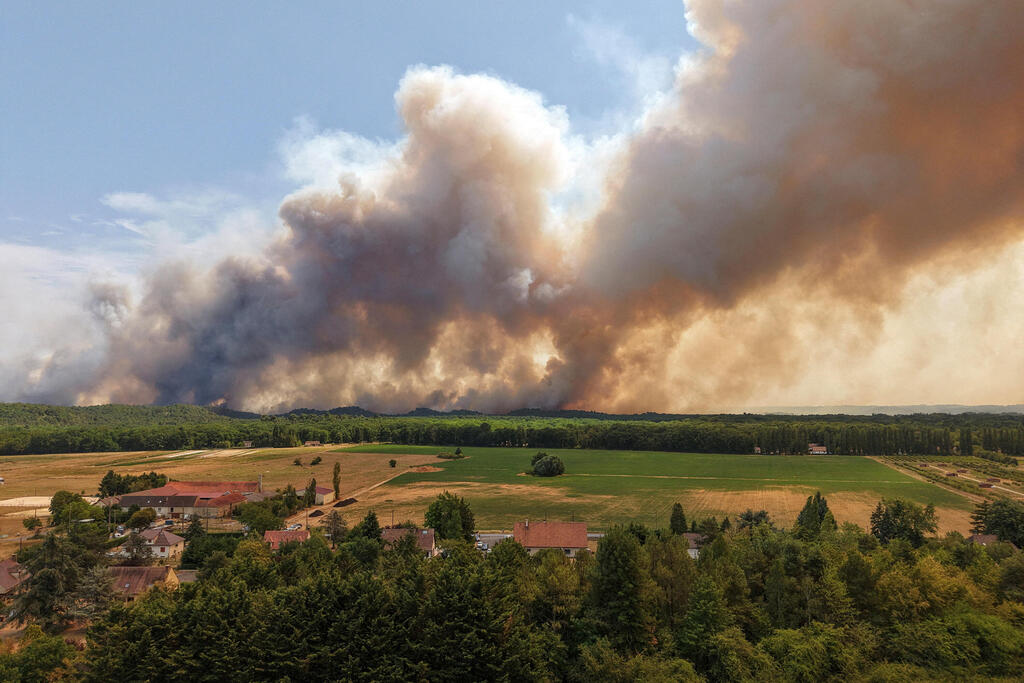
The French fire broke out in the Fontainebleau forest, about 70 kilometers from Paris, an unusually close location to the capital for a wildfire of such scale. The area is home to the Palace of Fontainebleau, a UNESCO World Heritage Site that served as a residence for French rulers from Francis I to Napoleon III, and was especially loved by Napoleon Bonaparte.
(Photo: Franck DESPREZ / SDIS 77 / AFP)
(Photo: REUTERS/Stephane Mahe)
(Photo: REUTERS/Stephane Mahe)
Hundreds of firefighters are battling the flames. For the first time ever in the greater Paris region, firefighting aircraft were sent to support crews from the air. The blaze forced authorities to evacuate about 800 residents from their homes, and the A6 highway linking Paris and Lyon was closed to traffic.
By the afternoon, most of the fire fronts had been brought under control, but authorities said strong winds in the area were making the operation extremely difficult. President Emmanuel Macron said all necessary resources were being directed to fight the fire, which he described as “exceptional in scale.”
Authorities are investigating the cause of the blaze. Interior Minister Laurent Nuñez said the circumstances were suspicious. “There were about 10 points where the fire started, within a radius of 1,000 meters, which means it may have been deliberate,” he said.
The fire near Paris is only one of several major blazes burning, mainly in southern France, where fires have consumed vast areas since last week. Since the beginning of the year, wildfires in France have burned 320 square kilometers, an area roughly the size of Orlando, Florida, and already more than the total burned in all of last year.
The fires are raging as France and large parts of Europe endure another severe heat wave. The first heat wave struck western Europe before the official start of summer, in late May, and a second, especially extreme wave broke records across the continent in late June.
In the current wave, France has seen temperatures of up to 40 degrees Celsius in the west and center of the country, while the Paris region recorded about 37 degrees. Some 26 million people remain under a red alert in France, including in the Paris area, and forecasters expect the heat wave to continue until midweek.

Jumping into the water in Paris
(Photo: Behrouz MEHRI / AFP)

(Photo: Behrouz MEHRI / AFP)

(Photo: Dimitar DILKOFF / AFP)

A firefighting plane takes on water from the Seine River to battle the flames in the Fontainebleau forest fire
(Photo: Thomas SAMSON / AFP)
The intense heat, combined with severe dryness, is also feeding fires in neighboring Spain. At least 13 people were killed over the weekend in a huge blaze in the Los Gallardos area of Almería province. The death toll rose from 12 after a 93-year-old British woman who suffered severe burns died in the hospital.
Another 10 people remain missing, raising fears that the toll could climb further. According to reports, at least four of the victims were trapped in their cars. Seven others died after abandoning their vehicles and trying to escape the flames on foot.
Antonio Sanz, the health and emergency minister in Andalusia’s regional government, said they had chosen an alternative route instead of the evacuation route ordered by emergency services. That decision, he said, became a “death trap.”
Alongside the wildfires, which scientists say are becoming more frequent and more intense because of human-caused climate change, Europe’s heat waves are taking a growing toll on a continent where most homes still do not have air conditioning.
Several countries have already reported grim figures showing a sharp rise in deaths during the extreme heat wave at the end of June. New data published by EuroMOMO, a monitoring body supported by the European Centre for Disease Prevention and Control and the World Health Organization, now shows more than 10,000 excess deaths across 27 European countries during that heat wave.
The vast majority, more than 9,000, were among adults aged 65 and over, who are especially vulnerable during extreme heat events. Such heat can cause deaths directly through heatstroke, or indirectly by worsening cardiovascular and respiratory diseases.
The figures cover excess deaths from all causes, not only heat-related deaths, during the week of June 22-28, when the heat wave peaked in France, Spain, Britain and other countries. Researchers noted, however, that there were no other known major factors, such as an epidemic outbreak, that could explain the sharp rise.
“To see such an excess at this time of year is unusual. It is very high,” Lasse Vestergaard, chief physician at Denmark’s Statens Serum Institut, where EuroMOMO is based, told Reuters. “It is difficult to explain this high excess mortality by anything other than the extreme heat,” he added.
The massive weekend fire in Almería, Spain
(Video: Reuters)


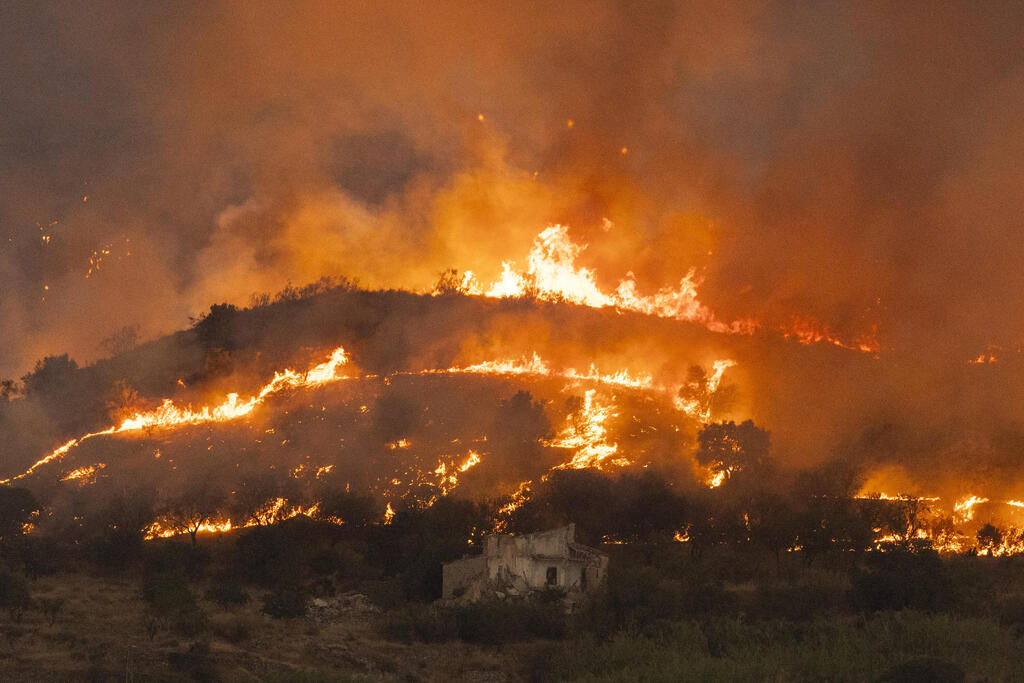
(Photo: Pablo Blazquez Dominguez/Getty Images)
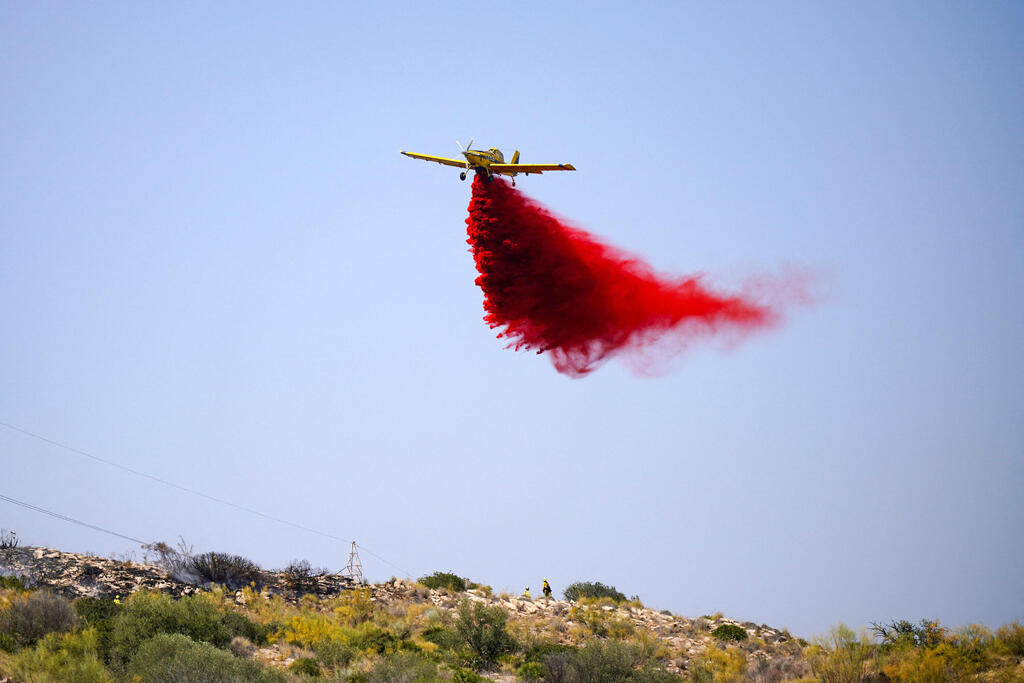
A firefighting plane in Almería
(Photo: REUTERS/Ana Beltran)

Spanish Prime Minister Sánchez during his visit to Almería today
(Photo: Pablo Blazquez Dominguez/Getty Images)
Europe has faced repeated heat waves in recent decades, and scientists warn that human-caused climate change is making them more frequent and more intense. Burning gasoline, oil and coal, along with deforestation, wildfires and many industrial processes, releases heat-trapping gases that drive climate change and increase the risk of extreme heat and drought.
According to World Health Organization estimates, more than 200,000 people have died across Europe in the past four years from heat-related causes, most of them preventable.
Copernicus, the European Union’s climate monitoring service, says Europe is the fastest-warming continent in the world, with temperatures rising at twice the global average since the 1980s. The agency found that 2024 was the hottest year ever recorded in Europe and worldwide, and that the continent experienced its second-highest number of heat-stress days on record.