


The painful and far-reaching lessons of the October 7 attacks have led to a fundamental and comprehensive shift in thinking across Israel’s defense establishment and the IDF. The change goes beyond the traditional division of sectors or the old approach under which the Israeli Air Force served merely as a supporting force for ground troops during an infiltration.
Under the current operational doctrine, air, naval and ground forces are viewed as full and inseparable partners in the mission of defending Israel’s borders. In a broad and intensive series of exercises conducted recently as part of the IDF’s training schedule, forces practiced extreme scenarios involving multiple simultaneous fronts.
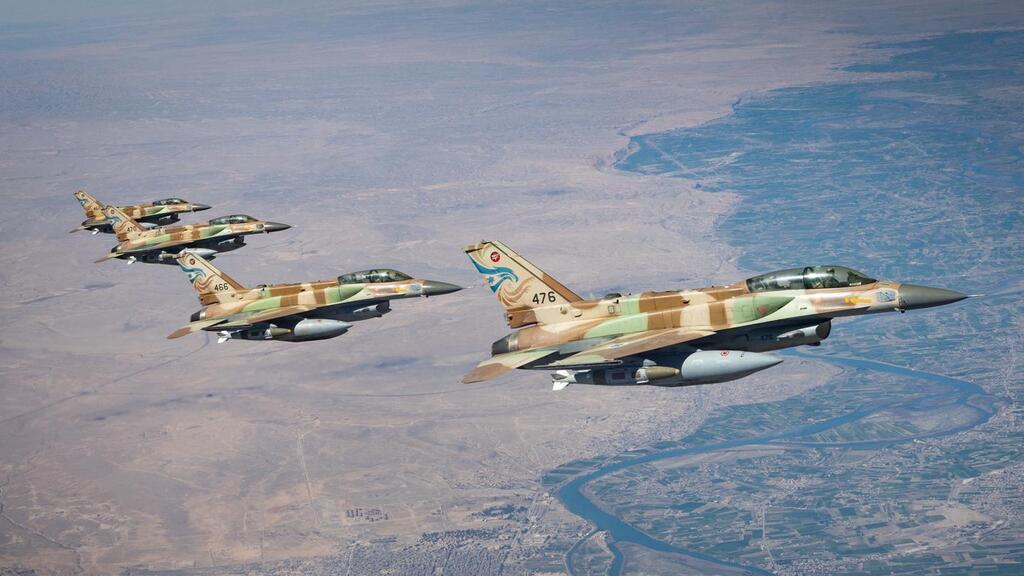
These scenarios included large-scale ground raids, maritime infiltrations using jet skis and unmanned vessels, heavy indirect fire and threats from UAVs and drones. The principal reference scenario guiding division commanders is no longer based solely on specific intelligence, but on full readiness to provide an immediate response in the event of a collapse or large-scale surprise, with particular attention paid to vulnerabilities, the seams between different forces and close protection of civilian areas.
At the heart of the Air Force’s new doctrine is a major shift from providing targeted assistance upon request to actively employing critical air power from the first hour of an unfolding event. Senior Air Force officials say the area requiring the most significant improvement following the October 7 investigations was the involvement of fighter jets in ground defense, alongside attack helicopters and unmanned aircraft.
As part of the change, an automated framework has been established to allow the Air Force to act immediately to halt an invasion and “freeze the situation,” even before a complete operational picture has been formed on the ground.
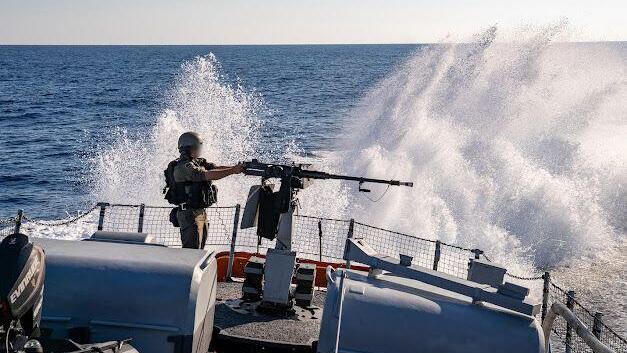
Large-scale land raids and naval incursions with jet skis and submarines. The scenarios that the IDF practiced
(Photo: IDF Spokesperson's Unit)
The use of heavy fire to disrupt an attack, the rapid arrival of a critical mass of aircraft and a dramatic shortening of response times are now central elements of this response. Measures include relocating a helicopter squadron to northern Israel to support the 91st Division’s sector.
At the same time, daily meetings in the field have been introduced between squadron commanders and their deputies and battalion commanders from the various divisions, with the aim of improving coordination, strengthening cooperation and gaining a closer understanding of the challenges facing ground forces.
The operational challenge is particularly significant in the southern and eastern sectors, where geographic and demographic characteristics require a unique and complex response. In the Eilat sector and along Route 10, the principal challenge lies in handling multiple threats simultaneously, ranging from ground attacks and mass-casualty incidents to strikes on hotels and strategic assets such as Eilat Ashkelon Pipeline Company facilities and the airport, as well as aerial and maritime threats.
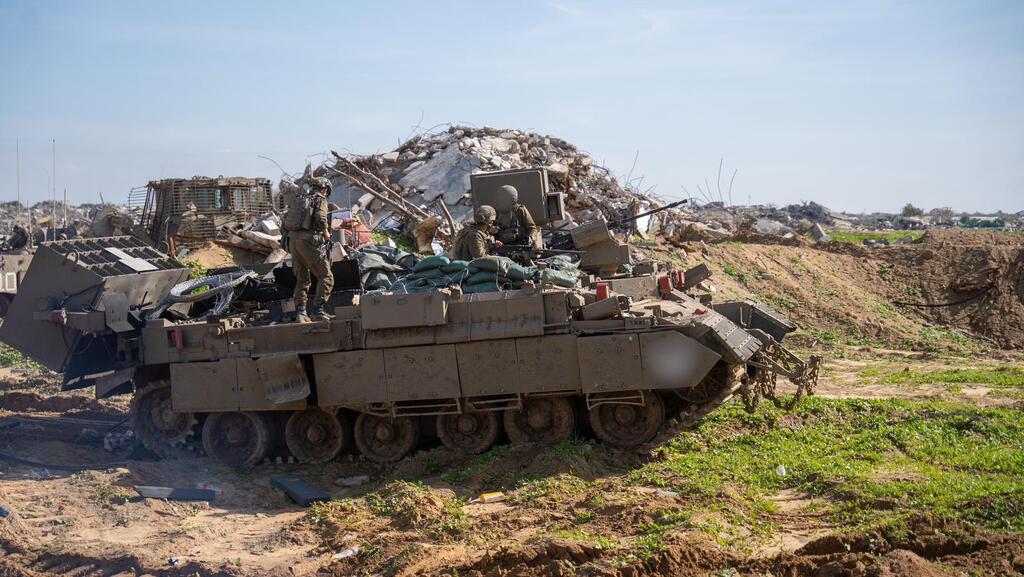
IDF operating in Khan Younis
(Photo: IDF Spokesperson's Unit)
Ahead of the holiday period, when Eilat’s population can double or even triple from its roughly 70,000 residents because of the influx of tourists, security forces are practicing close coordination between the IDF, police, Magen David Adom and civilian emergency agencies.
Preparations for the holidays include reinforcing the sector with additional companies and relying on five defense battalions, an intelligence-gathering battalion and reserve forces, without reducing the regular forces already deployed in the area and without any thinning of troop levels on weekends.
Alongside ground and air preparations in the border area, the modern defense doctrine calls for pushing threats farther away from population centers and creating a forward security zone inside enemy territory. The IDF says it can no longer accept a reality in which enemy forces or thousands of terrorists are entrenched within a short drive of civilians and communities.
Accordingly, the latest exercises also included drills for repelling an attack while directly striking the enemy’s command-and-control headquarters deep inside its territory.
The response includes the use of advanced electronic systems, updated rules of engagement and the deployment of camouflage measures as well as aerial and naval control capabilities intended to prevent infiltrations by drones and unmanned vessels.
The combination of civilian resilience, continuous coordination with local authorities and the deep commitment of the Air Force and ground forces to operate as a single body forms the basis of the new security doctrine, which is intended to ensure a lethal, rapid and effective response throughout the year, particularly during periods of heightened tension.