

The Security Cabinet convened Sunday evening to discuss a U.S. demand to reopen the Rafah crossing between Gaza and Egypt, a move some Israeli ministers oppose unless the remains of the last hostage, Ran Gvili, are returned first.
Hardliners Bezalel Smotrich and Itamar Ben-Gvir were among those voicing firm opposition, calling the crossing a “symbol” that must not be reopened before Gvili’s body is recovered. In anticipation of a heated debate, Prime Minister Benjamin Netanyahu convened a separate meeting earlier in the day with coalition party leaders.
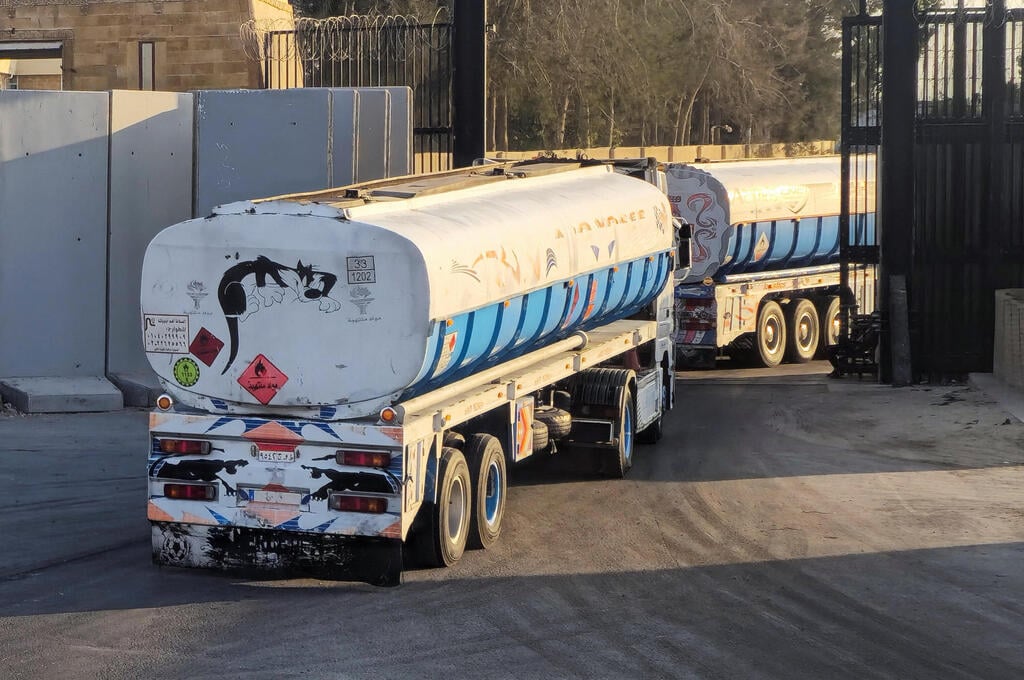
Despite the internal disagreements, the U.S. is pressing for the crossing to open this week as part of the transition to Phase II of President Donald Trump’s Gaza plan. Behind the scenes, understandings over Rafah’s reopening have already been reached, with U.S. envoys Steve Witkoff and Jared Kushner arriving in Israel and meeting with Netanyahu on Saturday.
Just before the Cabinet session, Hamas’ military wing announced that it had provided mediators with information on Gvili’s location, prompting the IDF to search a specific site inside the Gaza Strip.
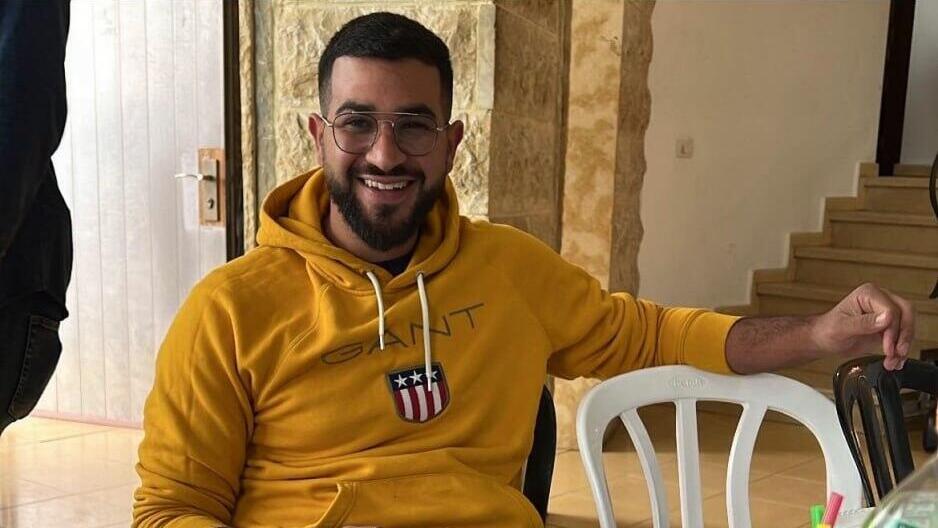
Ran Gvili
Israeli officials delayed reopening the crossing for weeks, but sources familiar with the matter say last week’s postponement was likely the final one. Officials have already begun laying the groundwork for Rafah’s reopening, even before Gvili’s return. “God is great, and we hope his body is returned this week,” one senior Israeli official said following the U.S. delegation’s visit.
According to those officials, advancing to the next phase of the ceasefire plan — which includes demands for Hamas to disarm — is a clear Israeli interest. “Hamas is receiving aid, there’s a ceasefire, and they’re growing stronger,” one said. “This interim period is good for Hamas and bad for us. Every day that passes strengthens their grip on the population, lets them collect Israeli munitions and prepare explosives.”
Jared Kushner lays out US President Donald Trump's Gaza reconstruction plan
(Video: The White House)


The next stage includes no reconstruction, officials emphasized, but is designed to apply pressure on Hamas. Israeli sources said the group will receive an ultimatum, likely giving them about two months to disarm. “If it were up to Trump, they’d get a month,” one said. “Kushner is pushing for two.”
As for the crossing itself, Israeli officials said it would reopen under strict conditions: more people would exit Gaza than enter, and all movement would pass through a designated Israeli checkpoint equipped with full surveillance. “Everything will go through our crossing — 100%,” a senior official said.
Defense officials confirmed that a screening corridor will be built on the Israeli side, and that names of individuals crossing will be handed over for security checks. “And of course,” one official added, “there will be no goods allowed through Rafah — only people.”
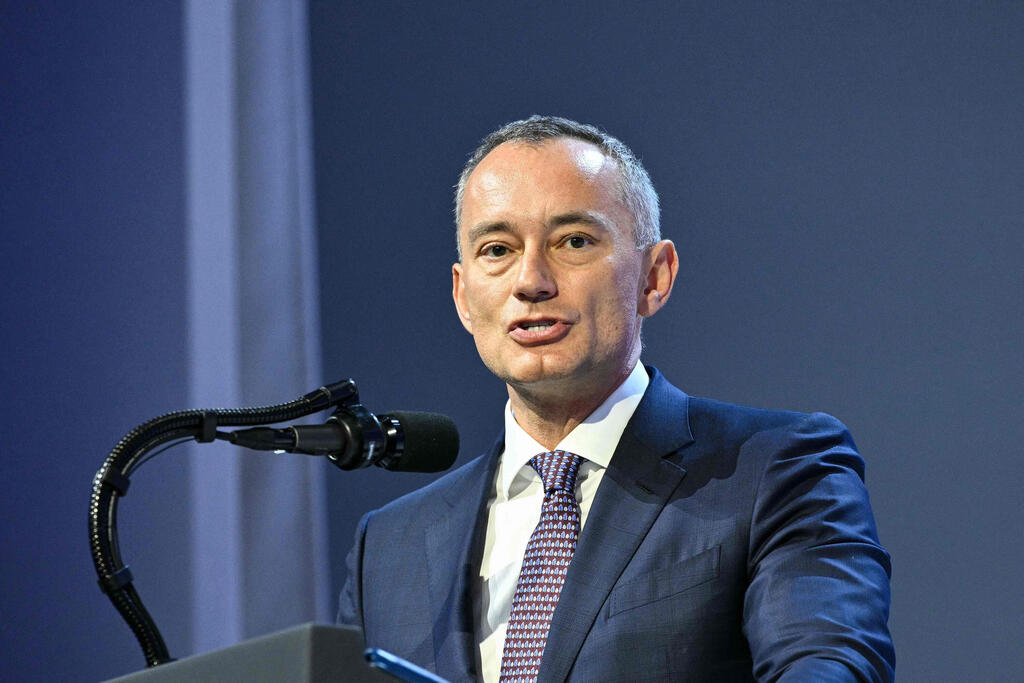
Nikolay Mladenov
(Photo: Mandel NGAN / AFP)
Nikolay Mladenov, high representative for Gaza on behalf of Trump's Executive Board for the administration of the territory and former UN envoy to the region, welcomed the progress, saying agreement had been reached on preparations for reopening the crossing.
The decision to proceed with Rafah’s reopening, even without the return of Gvili’s remains, sparked criticism in Israel. Avigdor Liberman, head of the opposition Yisrael Beytenu party, said the Cabinet meeting was just a way for Netanyahu to “share the blame for failure.”
'There is pressure, but the effort must be focused on bringing Rani back'
Speaking with the ynet studio, Talik Gvili, the mother of hostage Ran, said earlier Sunday the family has not yet received updates about the meeting between Netanyahu and the U.S. envoys.
“We are constantly reaching out, constantly trying to find out what is really happening here. We are afraid of the issue of opening the Rafah crossing. Agreements must be upheld, and Phase I has still not been fulfilled. The moment someone violates an agreement, they will violate it again later,” said the mother, who also met with the president at his Mar-a-Lago estate in Florida, where he promised he would continue working for the return of her son.
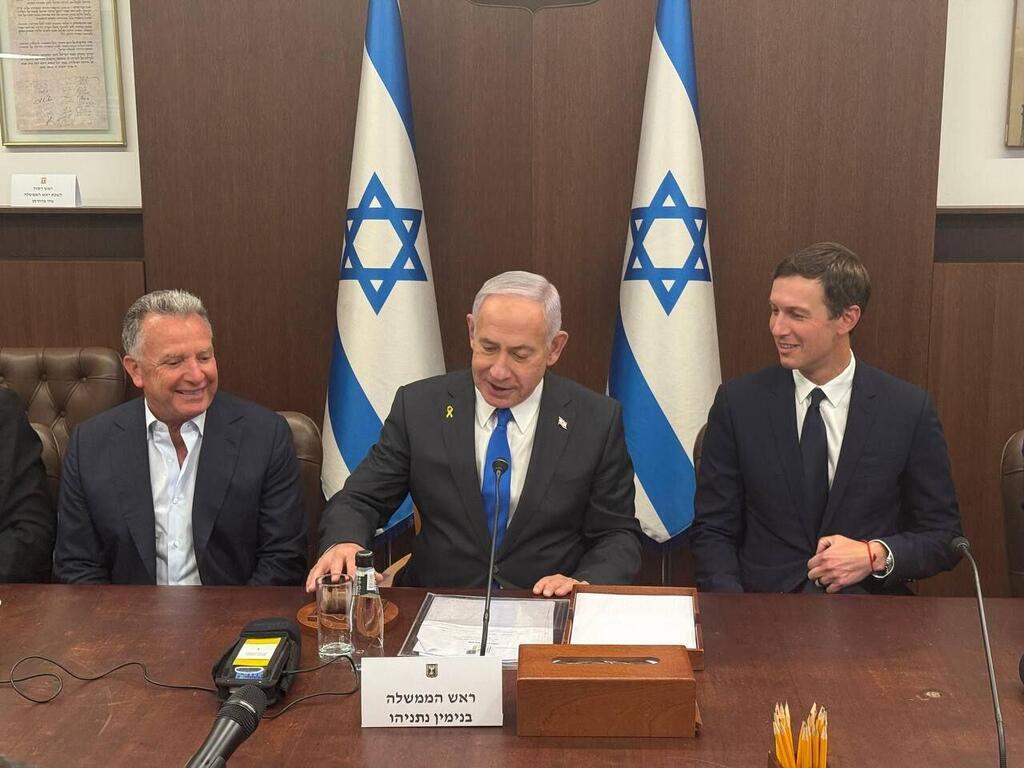
Meeting between Prime Minister Benjamin Netanyahu, center, and US envoys Steve Witkoff and Jared Kushner in Jerusalem
(Photo: GPO)
“We are also certain that Hamas knows where Rani is, and from our perspective Hamas is simply violating the agreement. They are keeping Rani as a bargaining chip, apparently for a later stage, and that is something we cannot live with,” Gvili added. She said she expects the prime minister and Cabinet ministers not to approve the opening of the crossing before her son is returned. “We have appealed to them, we are speaking with them and we are asking for this. We were promised that the agreement would be honored and that this would not happen.
“There is a problem here, and I understand that there are pressures. The main effort needs to be invested in bringing Rani back. That is what needs to happen now, not opening the Rafah crossing. I think that moving to Phase II at this stage could significantly delay Rani’s return home.”
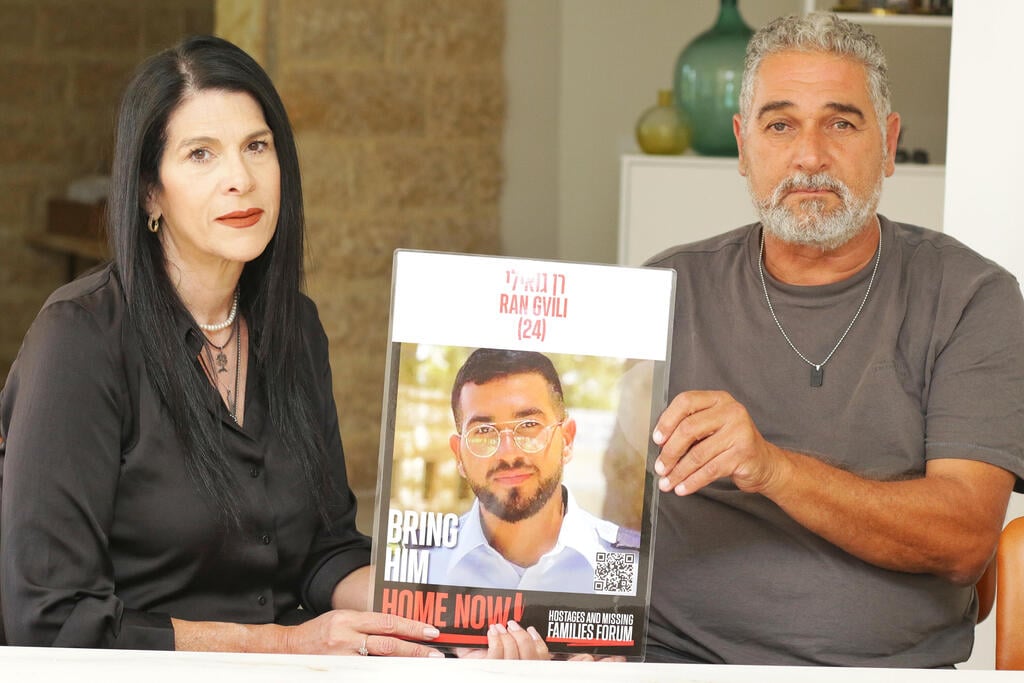
Ran Gvili's parents Talik and Itsik
(Photo: Meir Even Haim)
Ahead of Sunday evening's Cabinet meeting, the Gvili family issued an appeal to ministers: “Do not surrender to Hamas terror. The move to Phase II includes, first and foremost, the return of all the hostages. Hamas is still holding our Rani hostage. Hamas has not disarmed, and the State of Israel cannot proceed with opening the Rafah crossing while Hamas is deceiving everyone.
“We appeal to you as a mother and father and as citizens of the State of Israel, whose security and the security of its citizens were before Rani’s eyes when he put on his uniform and went out to save lives on that horrific morning: Do not forget him, do not skip over him, do not leave him behind and do not agree to open the Rafah crossing before Rani is home. Israel must not forget its heroes. First and foremost, Rani must be brought back.”
Amid claims of American pressure on Israel, Witkoff said Sunday afternoon that understandings had been reached with Israel regarding the next required steps.
“The United States and Israel maintain a strong, long-standing relationship built on close coordination and shared priorities,” he said. “The discussion was constructive and positive, with both sides agreeing on the next steps and on the importance of continued cooperation on all matters vital to the region.”