

Before Israeli officials understood that the situation aboard the terrifying Dubai-to-Tel Aviv flight was under control, senior decision-makers prepared for a range of possibilities — all of them dire and carrying serious consequences.
During the uncertain hours surrounding Flydubai Flight FZ 1073 to Israel, carrying 174 passengers, including 27 children, most of them Israeli, the military prepared for several disaster scenarios: a crash in a number of possible locations, the possibility that Israel might have to shoot down the aircraft and the prospect of a hijacking involving the passengers.
Blood in the cockpit: The injured pilots alongside the Israeli passengers
(Video: Used under Section 27A of the Copyright Law)


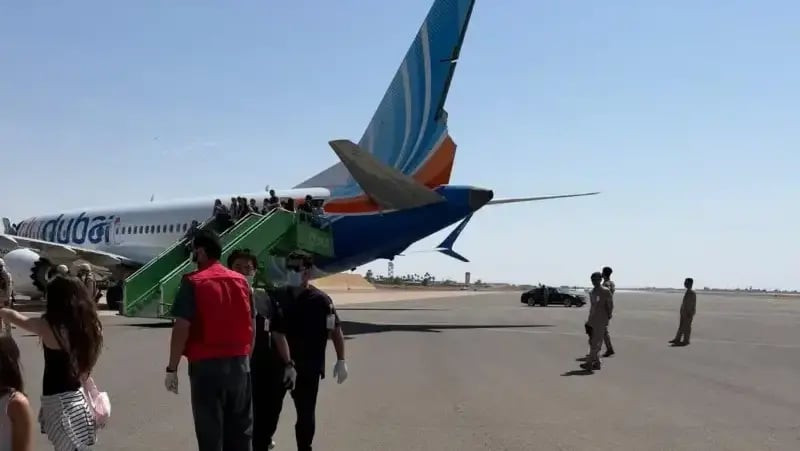
The first scenario Israel prepared for, hours before a Flydubai rescue flight landed at Ben Gurion Airport and the passengers broke into song, was that the plane might crash inside Israel.
Israeli Air Force fighter jets were therefore scrambled quickly toward Jordan, with the understanding that, if necessary, they might have to shoot down the aircraft to prevent a 9/11-style attack like the one in New York on Sept. 11, 2001.
An Israeli official said of that possibility: “The terrorist pilot planned to crash in Israel and was looking for a symbol, but he would not have succeeded because he would have been intercepted on the way.”
A second scenario considered was that the aircraft might crash in Jordan or Saudi Arabia. In such a case, Israel might have needed to deploy troops from Shaldag, the Israeli Air Force’s elite special operations unit, which according to foreign reports operated in April 2026 during the rescue of two American aircrew members after their F-15E Strike Eagle crashed in Iran.
A third possibility was that the plane would be hijacked with its passengers for use as bargaining chips. Israel’s Yamam national counterterrorism and hostage rescue unit was also prepared for such a scenario.
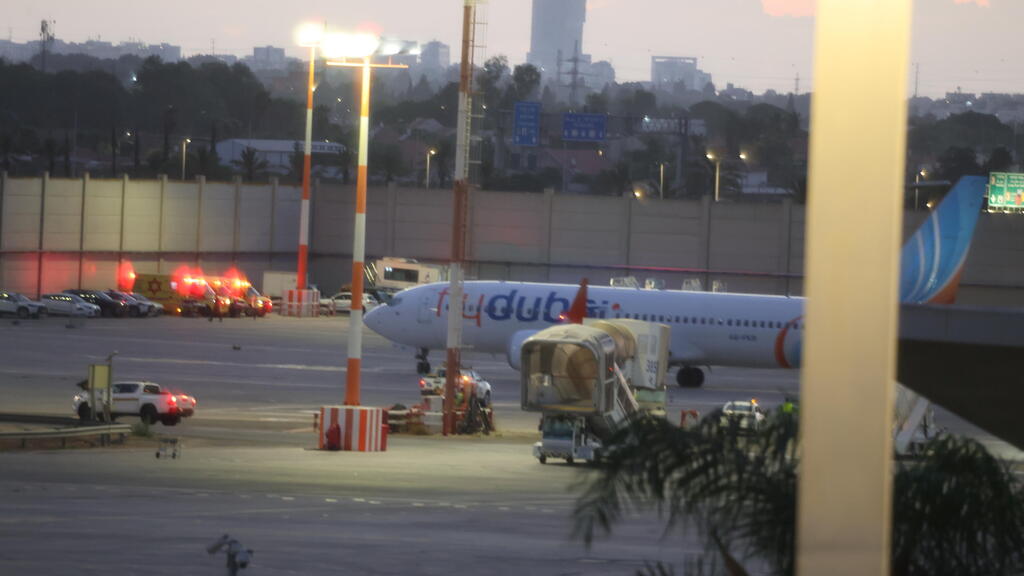
(Photo: Yariv Katz)
Even before consultations were held with Prime Minister Benjamin Netanyahu and Defense Minister Israel Katz, the IDF conducted a situation assessment that included Chief of Staff Lt. Gen. Eyal Zamir, Operations Directorate chief Maj. Gen. Itzik Cohen and Military Intelligence chief Maj. Gen. Shlomi Binder.
The assessment considered a range of possible developments, including preparations for a terror incident that could escalate and continue for hours.
It was also decided, as noted, to scramble two fighter jets capable of responding to any airborne scenario agreed upon during the security consultations.
Ultimately, none of those scenarios materialized, thanks to four Israeli passengers who acted heroically and took control of the situation while their lives were at risk, the pilot who helped open the cockpit despite being stabbed and two foreign pilots who were aboard the flight and managed to stabilize the aircraft and land it in Saudi Arabia.
The ordeal began at about 8:21 a.m., when the Omani co-pilot stabbed the Indian captain and, according to suspicions, tried to crash the aircraft.
The current assessment is that the incident was a terror attack. Defense Minister Israel Katz has already described it as an “attempted jihadist terror attack.”
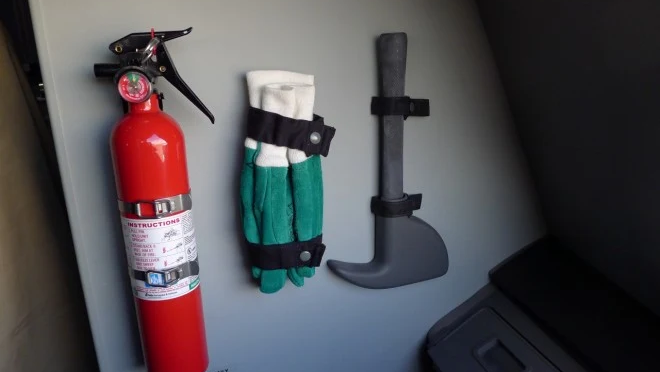
The Omani pilot stabbed the captain with an ax; emergency equipment in the cockpit
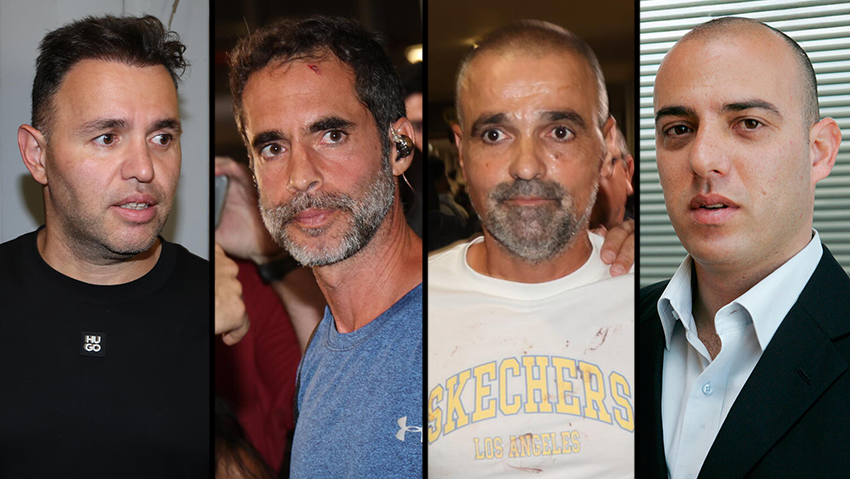
From right: Zvika Mans, Yaniv Hayun, Asaf Rejuan and Shota Musayev, the four heroes of the Flydubai flight
(Photo: Yariv Katz)
The investigation is now being led by the Mossad, which is in contact with its counterparts in Saudi Arabia. Because of the strong ties between the intelligence services of the two countries, Israeli officials expect full cooperation throughout the investigation.
Shin Bet personnel are also involved and are expected to question the passengers, particularly the four who subdued the attacker. Military Intelligence bodies are also taking part.
Despite the highly unusual and extreme security incident, Flydubai flights from the United Arab Emirates to Israel continued afterward. The rescue flight was also operated by Flydubai because Saudi Arabia refused to allow Israeli aircraft to land on its territory.
A preliminary investigation indicates that the co-pilot stabbed the captain with an emergency ax kept in the cockpit and intended for breaking aircraft windows.
Investigators have ruled out an initial suggestion that the co-pilot managed to board the flight carrying an ax, because all aircrew members undergo strict security screening before boarding.
One possibility being examined is that the Omani co-pilot was acting on behalf of Iran, although there is currently no evidence supporting that theory.